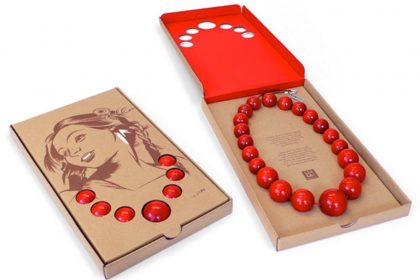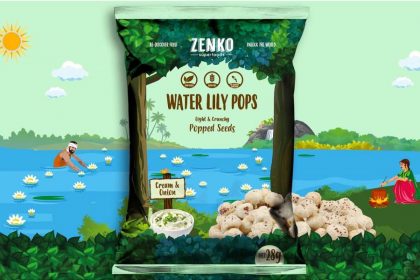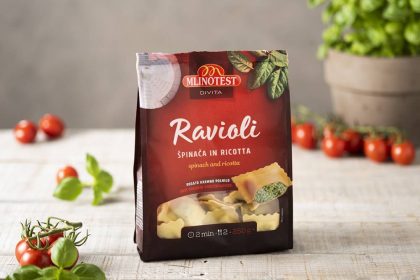
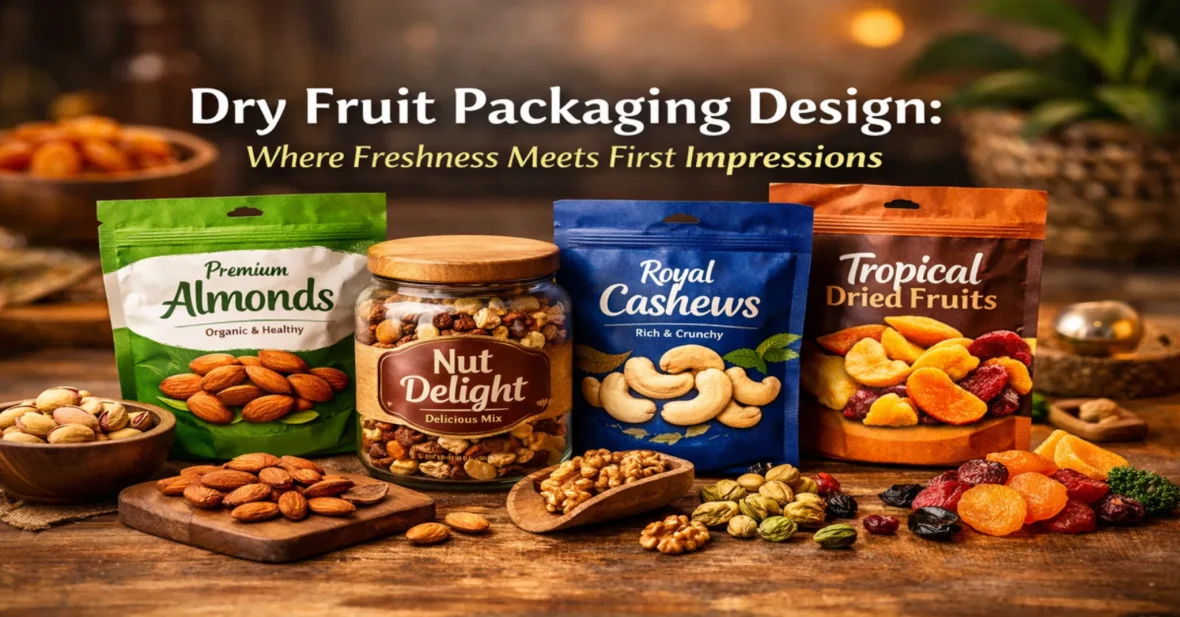
Dry fruits are more than just healthy snacks. They represent celebration, wellness, gifting culture, and premium living. Whether it’s a box of almonds gifted at a wedding or a daily handful of walnuts for fitness, dry fruits carry both emotional and nutritional value. In today’s competitive market, dry fruit packaging design plays a critical role in shaping how customers perceive quality, freshness, and trust.
From years of observing food brands evolve, one thing is clear: people often judge the product before tasting it. Packaging becomes the first handshake between the brand and the buyer. A well-designed pack speaks of hygiene, care, and authenticity within seconds.
Why Dry Fruit Packaging Design Matters More Than Ever
Consumer behavior has changed significantly in recent years. In countries like India and United States, demand for healthy snacking options has increased rapidly. With more brands entering the market, competition is no longer just about price or taste — it’s about presentation and positioning.
Dry fruits are considered premium products. Customers expect them to look and feel premium. If the packaging feels flimsy, cluttered, or outdated, the perceived quality drops instantly. On the other hand, structured, elegant packaging enhances product value and builds confidence.
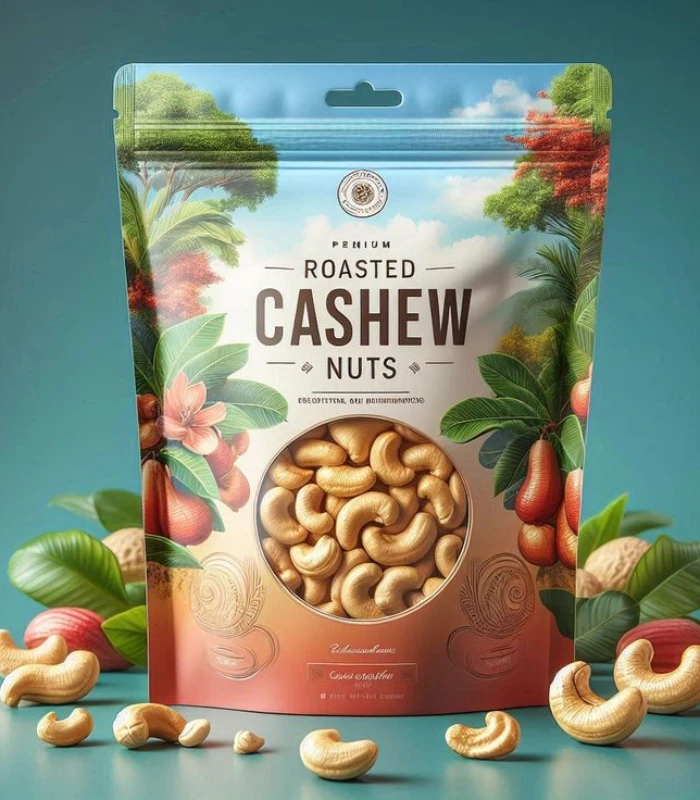
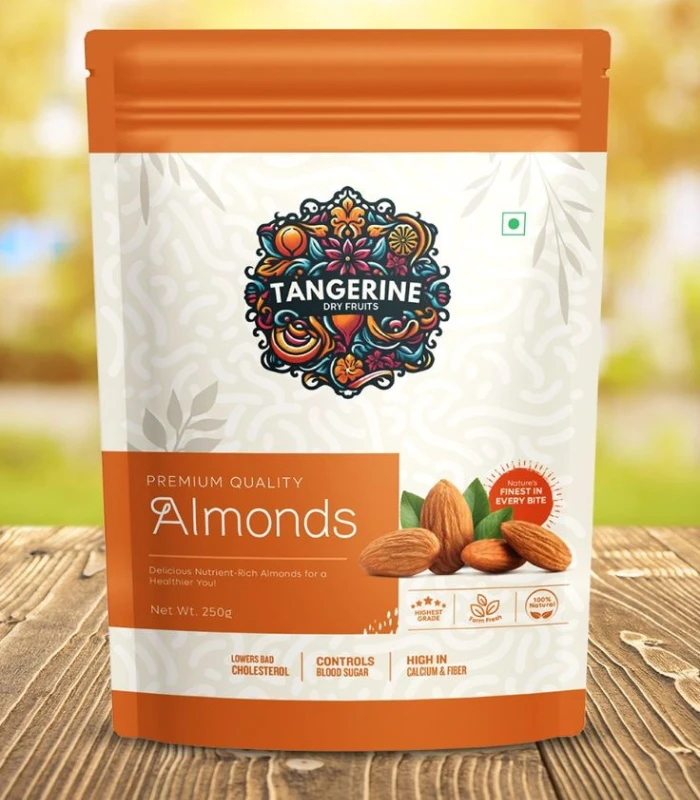
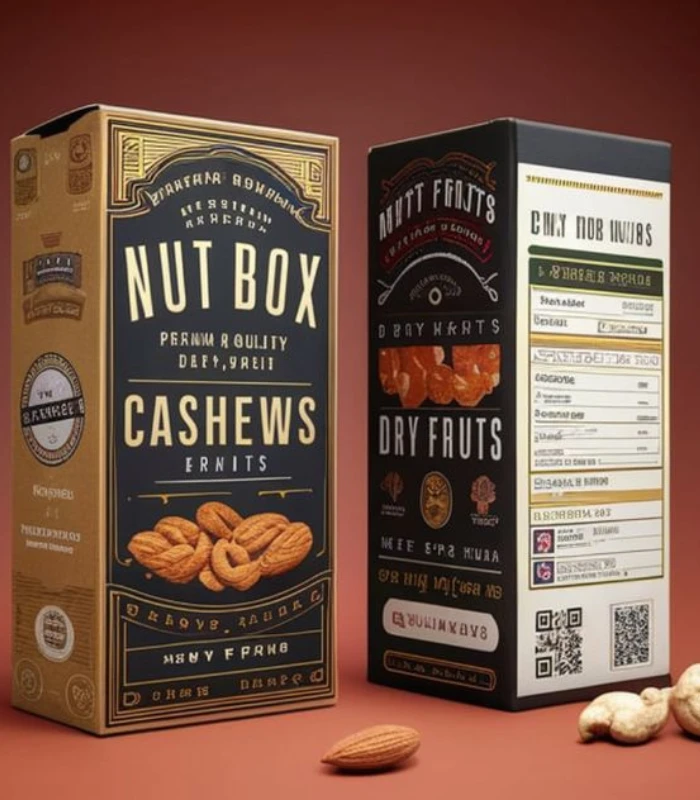
Packaging design also influences buying decisions in subtle ways. Colors, textures, and typography all create psychological impressions. Earthy tones often signal natural and organic qualities. Deep reds and gold accents convey luxury. Clean white backgrounds reflect purity and hygiene.
Source: in.pinterest.com
Source: in.pinterest.com
Source: in.pinterest.com
Source: in.pinterest.com
The Role of First Impressions in Dry Fruit packaging design
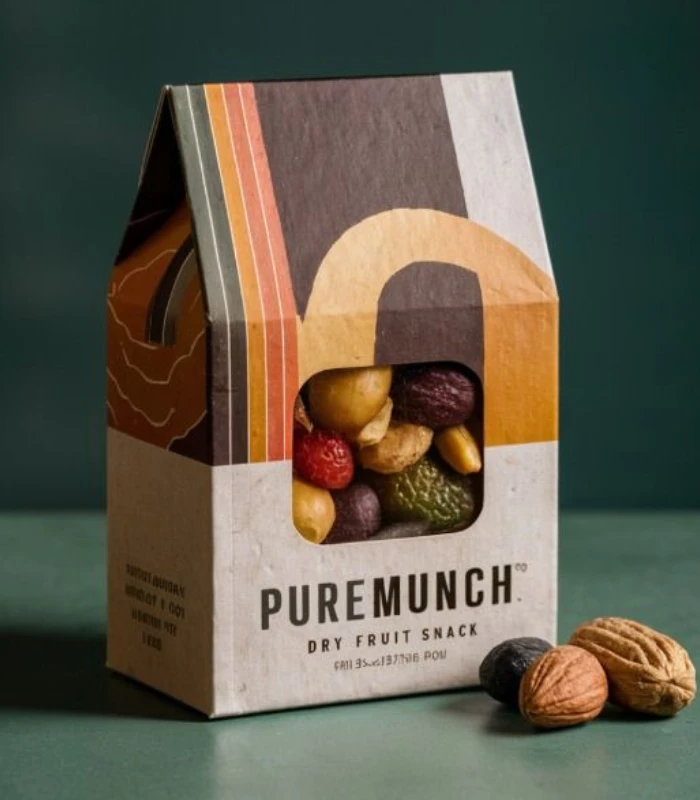
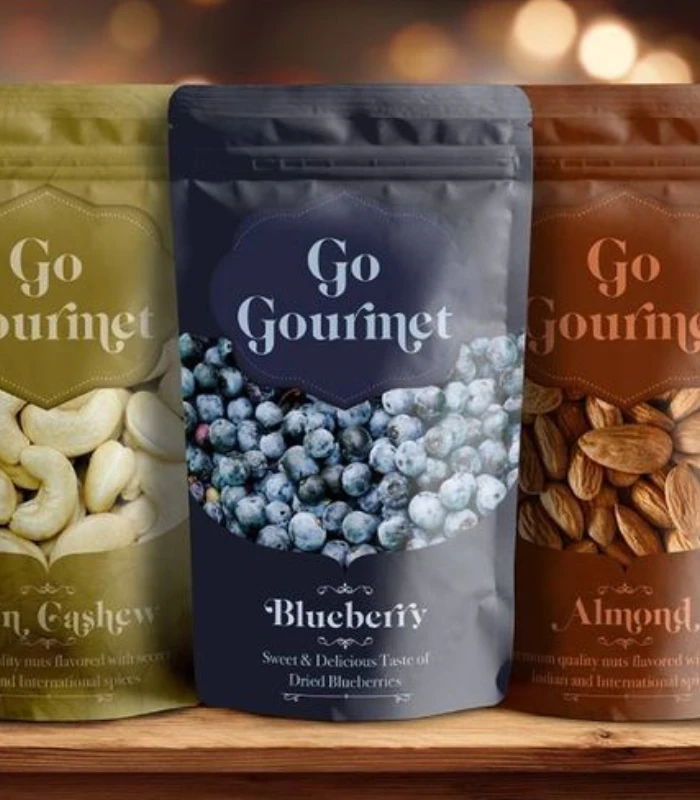
Retail shelves are crowded. Within a few seconds, customers scan dozens of products. This is where thoughtful packaging design makes a difference. A matte-finish pouch with minimal typography may stand out more effectively than an overly colorful and busy design. Transparency windows that show the almonds or cashews inside can increase trust instantly.
In festive markets, packaging becomes even more significant. In India, dry fruit gift boxes are especially popular during Diwali. These boxes are not just food items; they are expressions of goodwill and prosperity. Brands that incorporate cultural motifs, elegant embossing, and sturdy magnetic closures often attract premium buyers during such seasons.A good first impression does not always mean complex design. Often, simplicity with strong branding creates the most lasting impact.
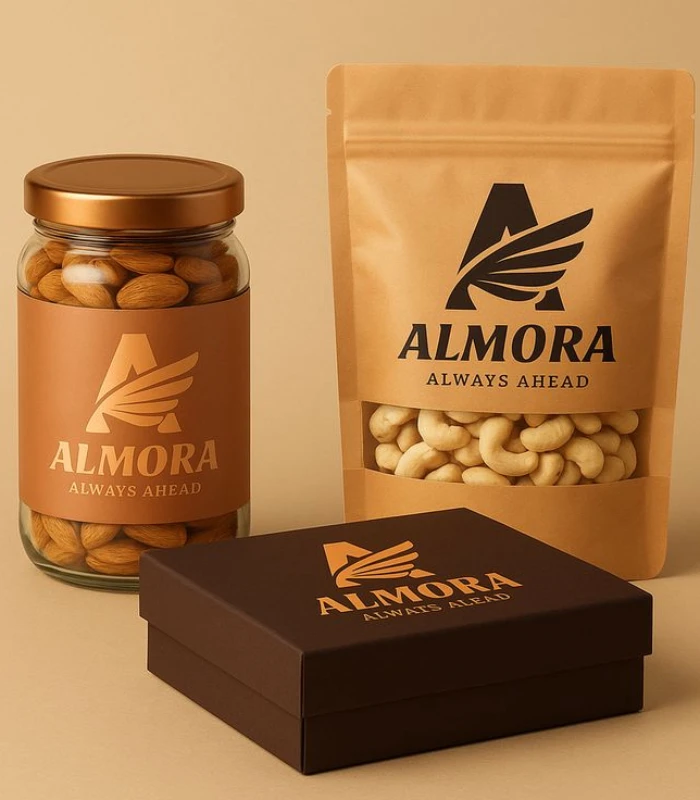
Source: in.pinterest.com

Source: in.pinterest.com
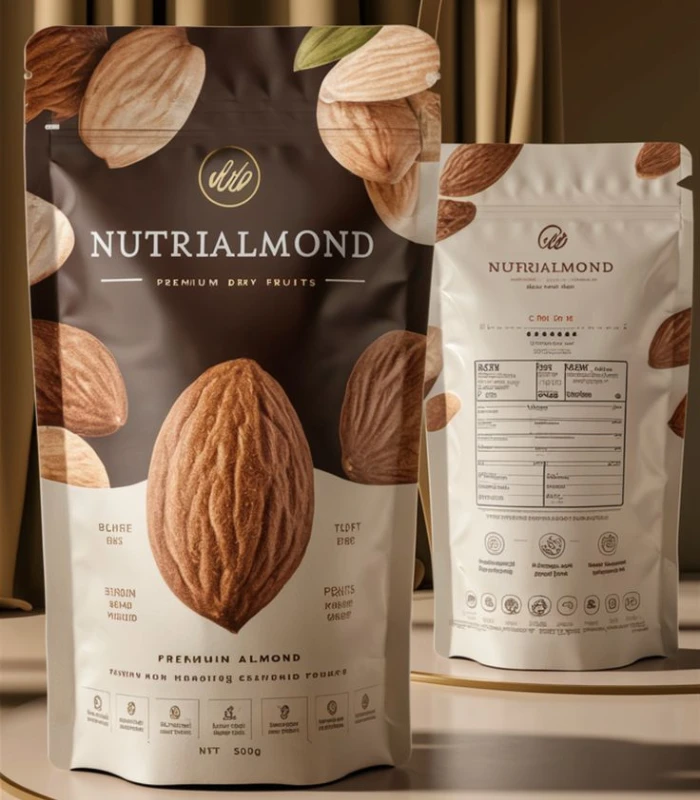
Source: in.pinterest.com
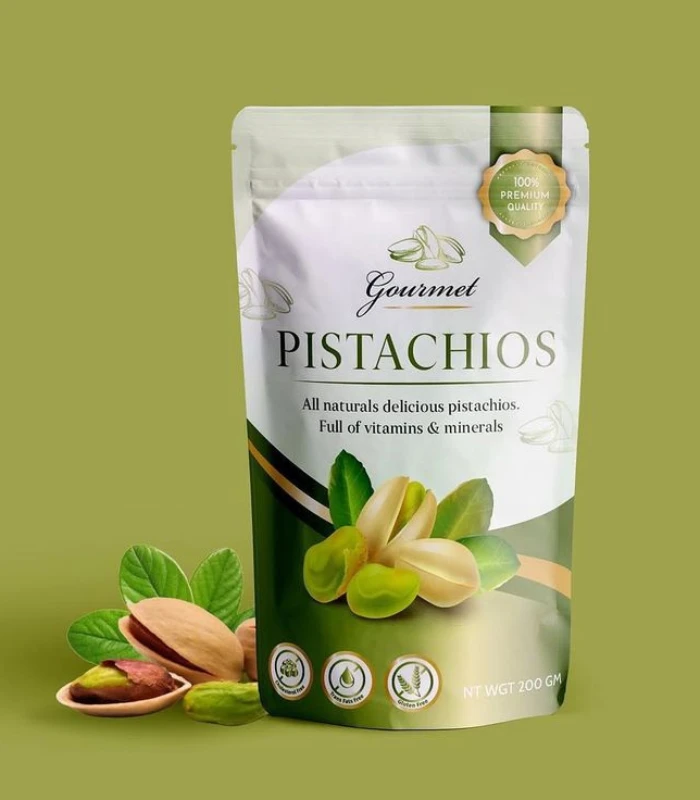
Source: in.pinterest.com
The Science Behind Freshness and Protection In Dry Fruit packaging Design
While visual appeal attracts customers, functionality keeps them satisfied. Dry fruits are sensitive to moisture, oxygen, and light. Exposure can lead to rancidity, loss of crunch, and reduced nutritional value. That is why material selection and structural design are crucial elements of dry fruit packaging design.
Modern packaging commonly uses multi-layer laminates to provide barrier protection. Vacuum-sealed pouches and nitrogen-flushed packs help preserve freshness for longer shelf life. Resealable zippers add convenience, ensuring the product remains fresh even after opening.
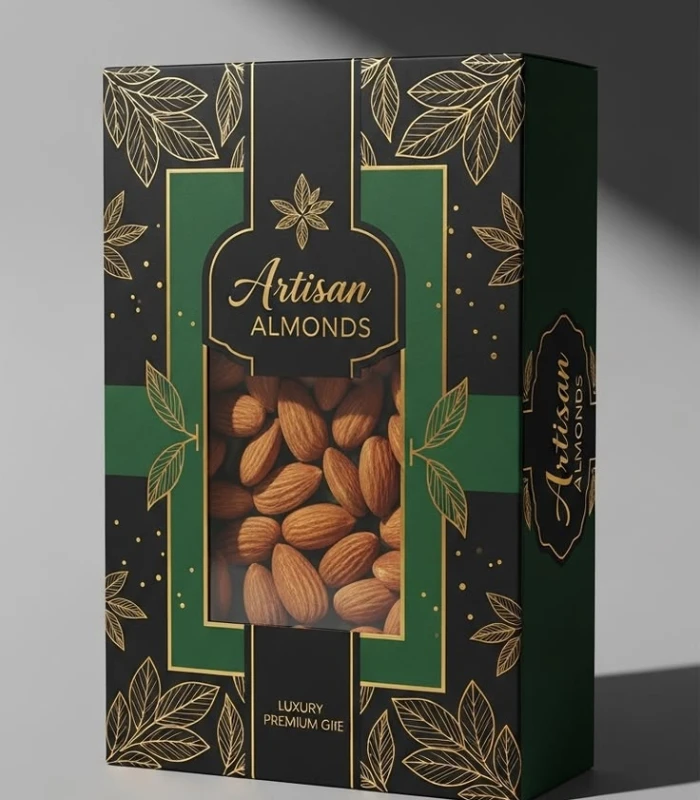
Premium gift boxes often contain inner airtight trays to protect the contents from environmental exposure. Glass jars and metal tins are also used for high-end positioning, offering both durability and reusability
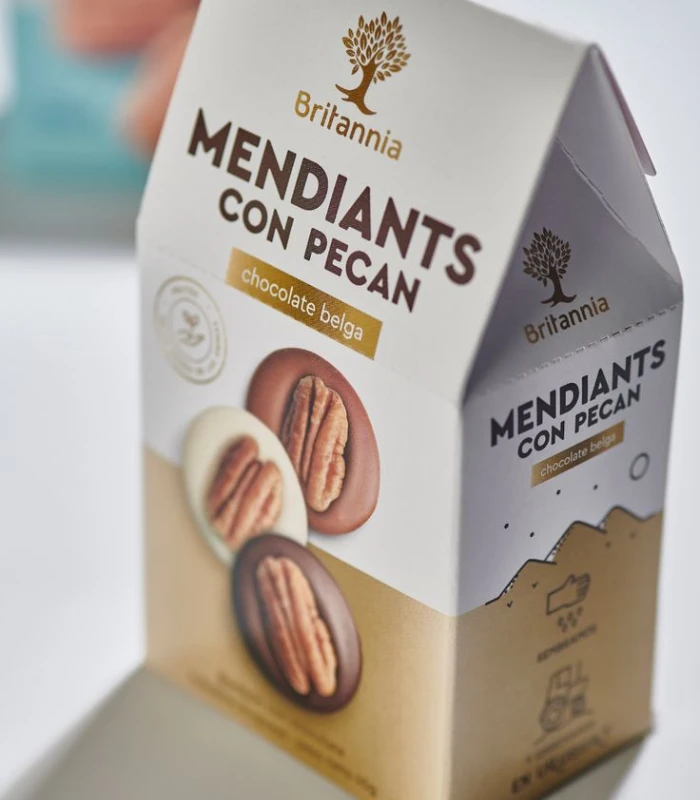
Source: in.pinterest.com

Source: in.pinterest.com
Source: in.pinterest.com
Source: in.pinterest.com
Material Innovation and Practical Design
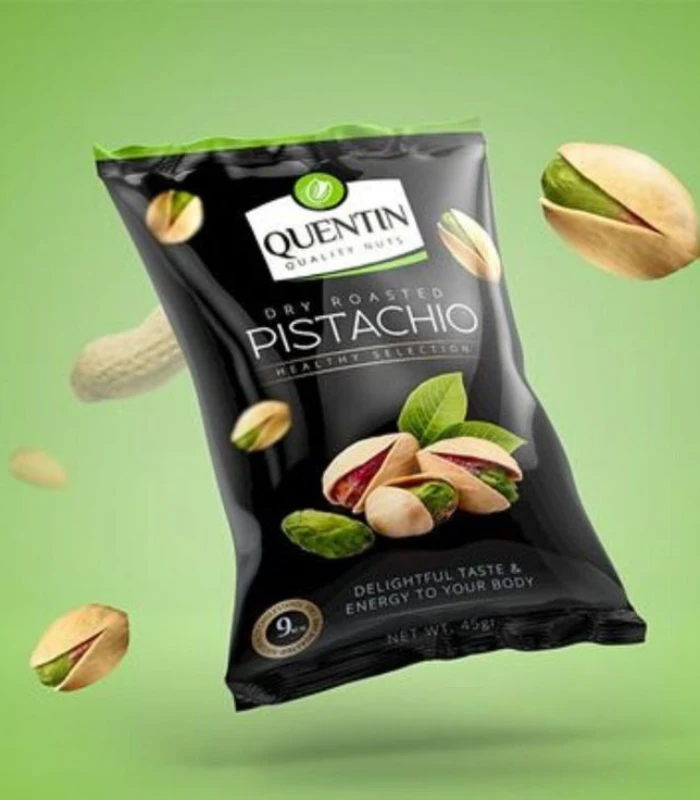
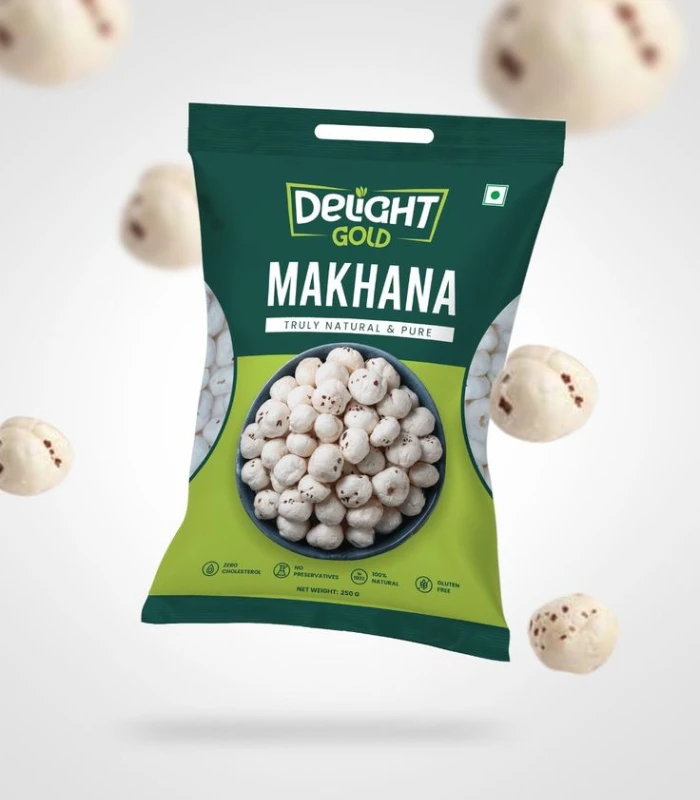
Material choice directly impacts both protection and perception. Food-grade laminated films are widely used because they prevent moisture penetration. Some brands are shifting toward recyclable mono-material packaging to balance sustainability and functionality.
Rigid boxes with inner pouches provide a luxurious feel, while stand-up pouches are practical for daily consumption. Transparent jars offer visibility but require proper sealing to maintain freshness.
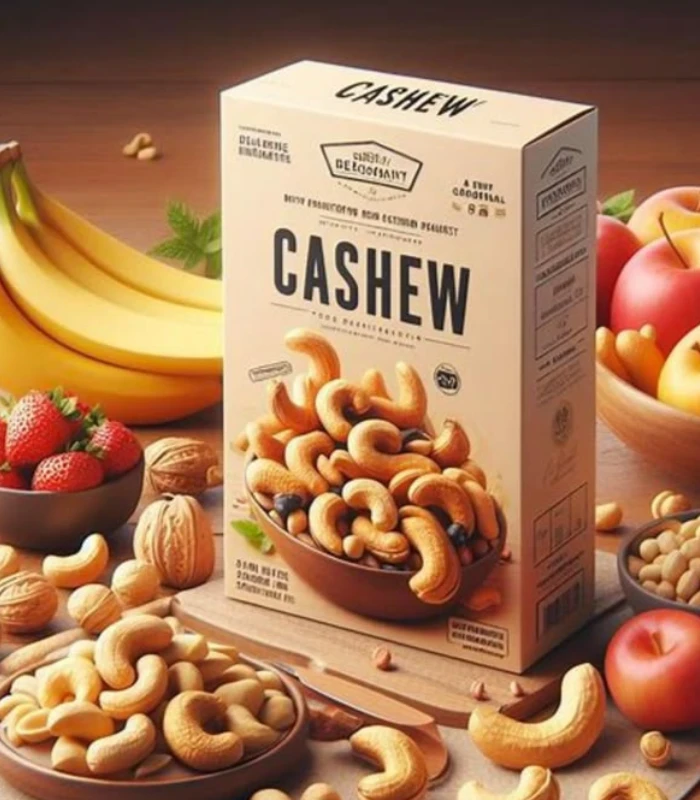
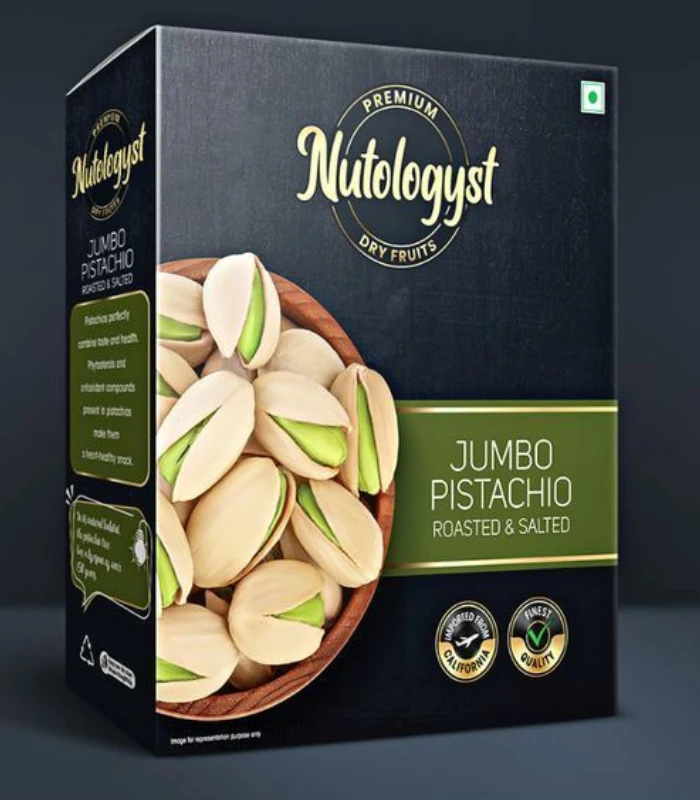
Involving packaging engineers during the early design stages ensures that aesthetic decisions do not compromise technical performance. The best packaging solutions combine beauty with scientific reliability.
Source: in.pinterest.com
Source: in.pinterest.com
Source: in.pinterest.com
Source: in.pinterest.com
Sustainability: A Growing Consumer Expectation
Sustainability is no longer optional. Modern consumers actively look for eco-conscious brands. They prefer packaging that reduces plastic waste and promotes recyclability.
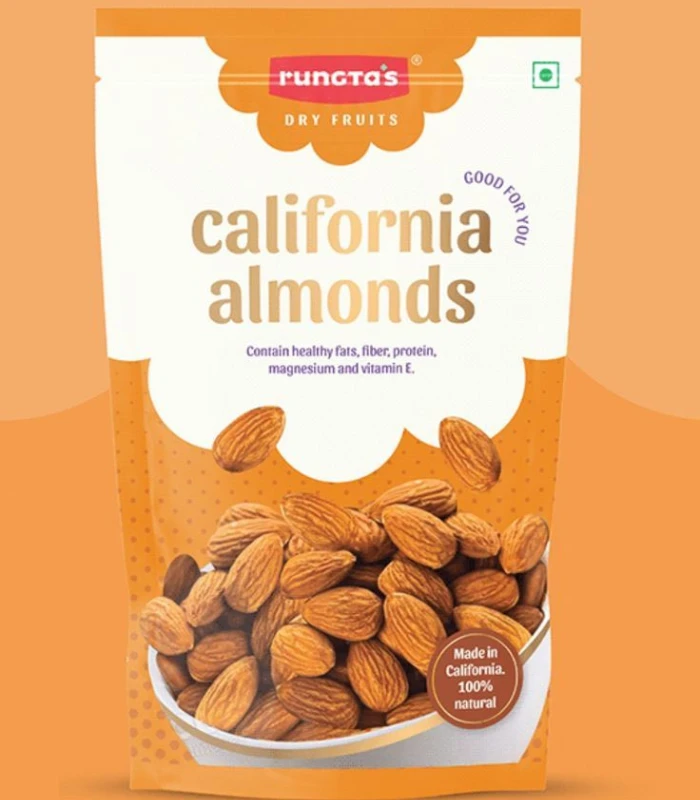
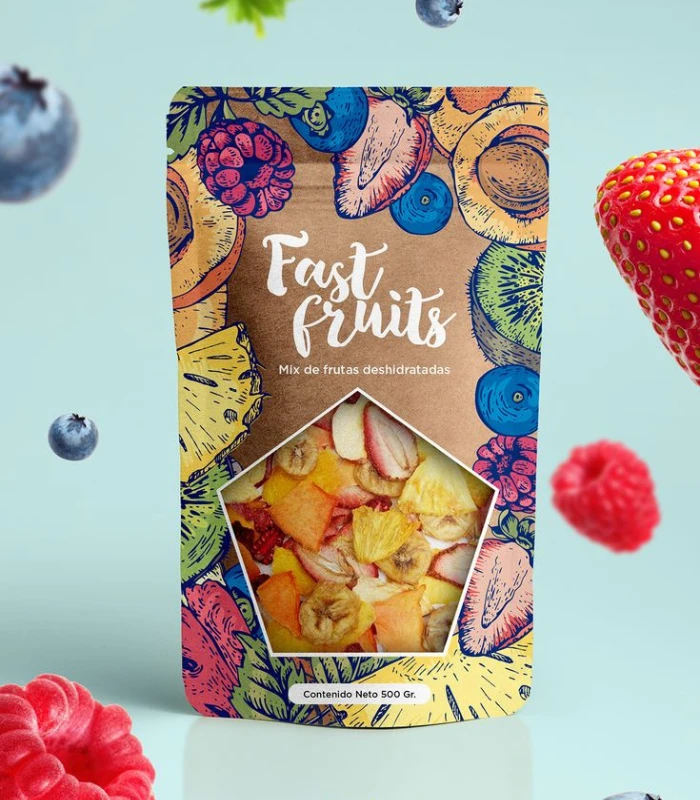
Eco-friendly dry fruit packaging design includes kraft paper pouches with compostable linings, reusable tins, and minimalistic outer cartons. However, eliminating protective layers entirely can reduce shelf life. Therefore, brands must balance environmental responsibility with product safety.
Clear communication about recyclable materials or responsible sourcing increases customer trust. When buyers feel that a brand cares about both quality and the planet, loyalty strengthens.
Sustainability also influences visual design. Natural textures, earthy color palettes, and simple layouts often reflect environmentally conscious values.
Source: in.pinterest.com
Source: in.pinterest.com
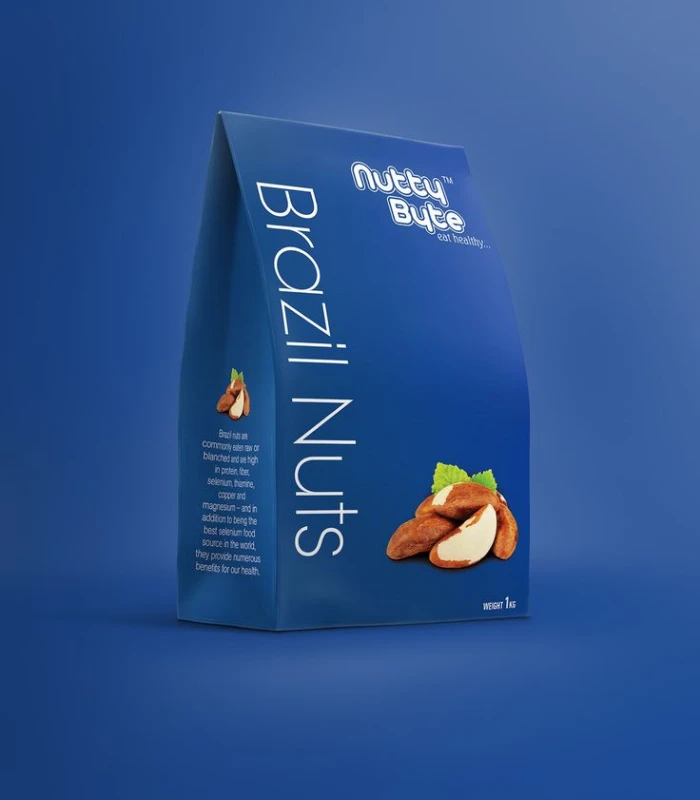
Source: in.pinterest.com
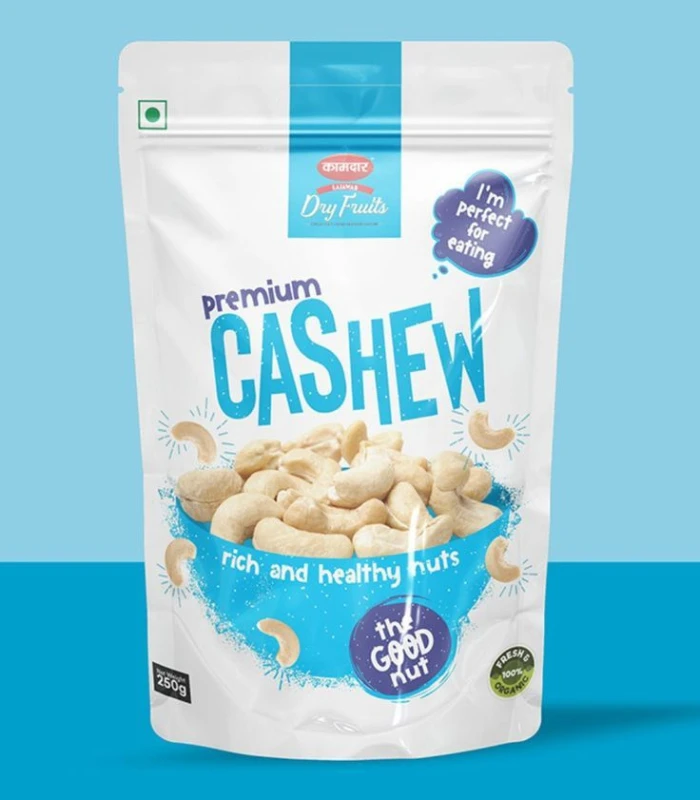
Source: in.pinterest.com
The Future of Dry Fruit Packaging Design
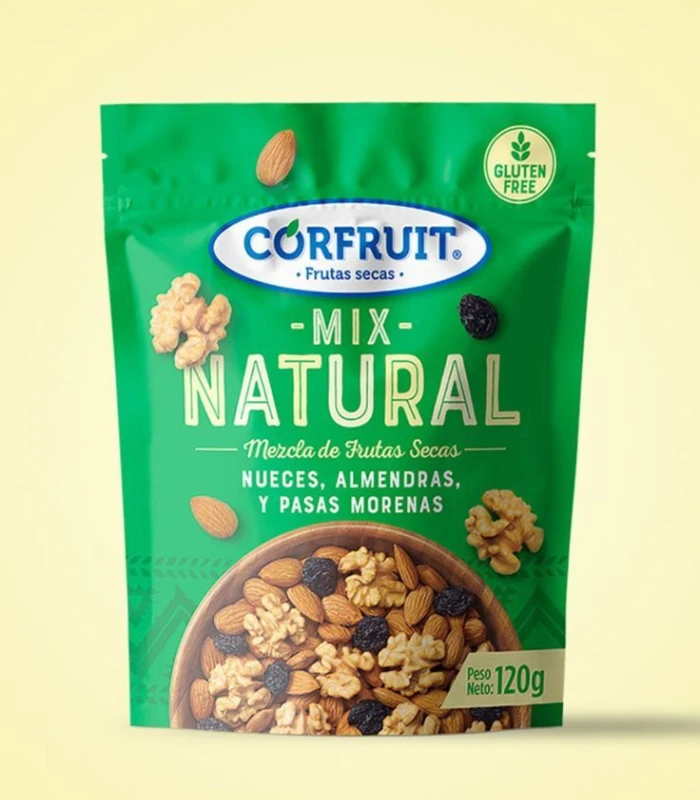
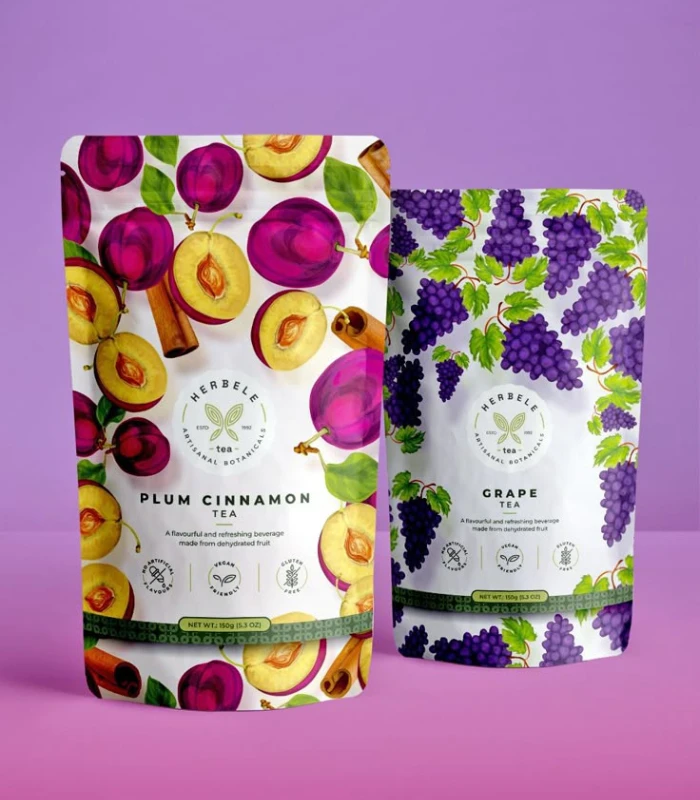
The future of dry fruit packaging lies in innovation and personalization. QR codes that allow customers to trace product origins are becoming more common. Smart packaging solutions that monitor freshness may soon become standard in premium segments.
Minimalism continues to dominate design trends. Clean typography, neutral tones, and uncluttered layouts reflect modern health-conscious lifestyles. At the same time, luxury gifting segments are experimenting with textured finishes, embossed logos, and premium box structures.The next generation of packaging will likely integrate sustainability, technology, and user-friendly design into one seamless experience.
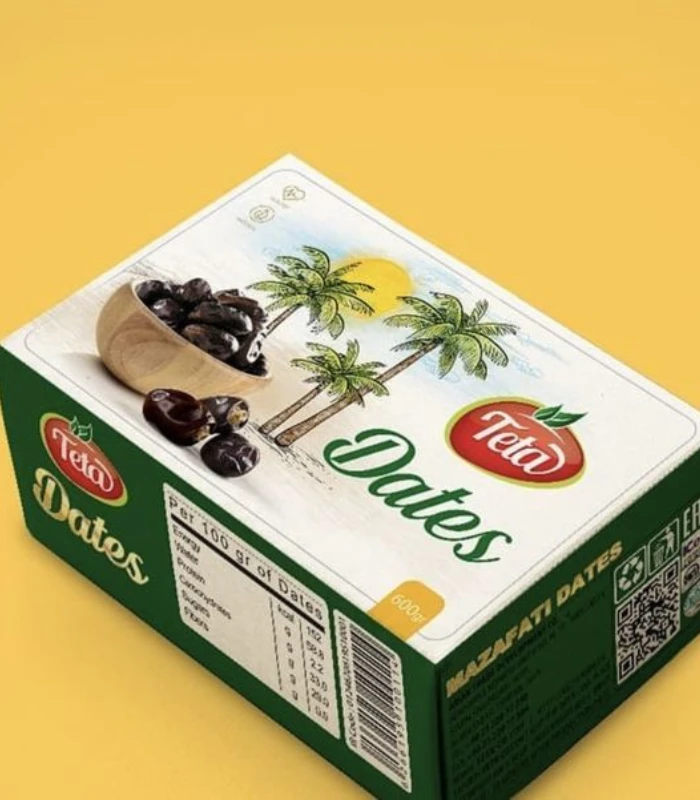
Source: in.pinterest.com
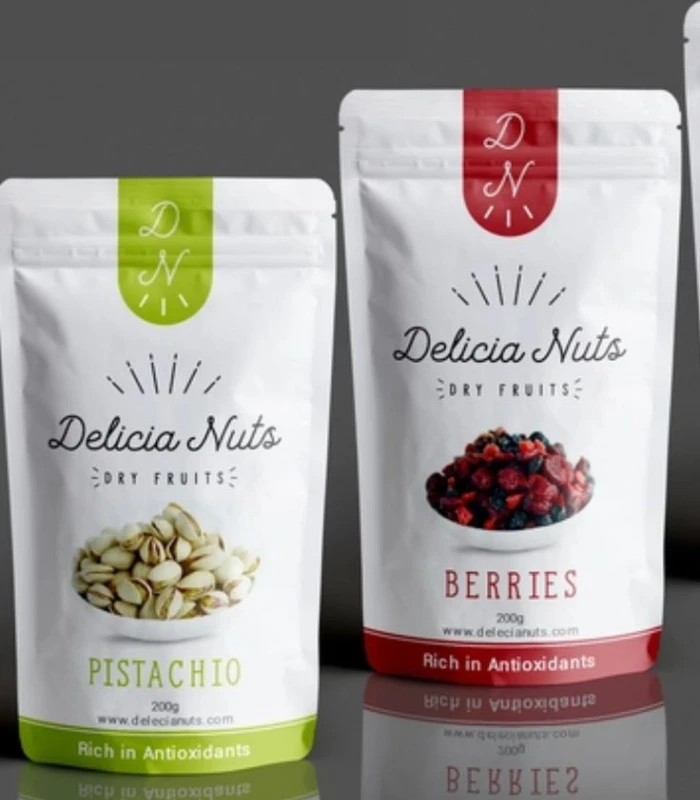
Source: in.pinterest.com
Source: in.pinterest.com
Source: in.pinterest.com
Final Thoughts
Dry fruit packaging design is more than just a protective layer. It is a strategic tool that influences perception, builds trust, and enhances brand value. In competitive markets, packaging can determine whether a customer chooses your product or a competitor’s.
When freshness protection, visual appeal, sustainability, and storytelling come together, packaging transforms into a powerful brand asset. Customers may initially buy for the quality of almonds or cashews, but they return because they trust the brand behind the packaging.
For businesses aiming to stand out, investing in thoughtful and innovative packaging design is not an expense — it is a long-term investment in credibility and growth.