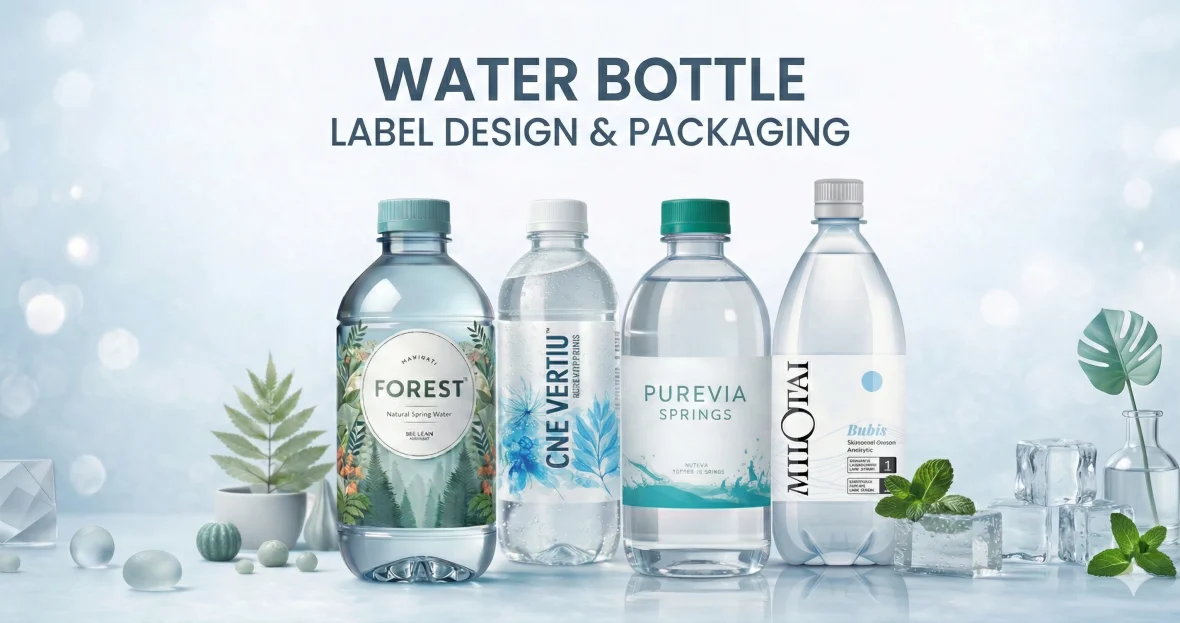
Water bottle label packaging design is one of the most underestimated elements in the beverage industry. At first glance, bottled water seems like the simplest product on a store shelf. It is transparent, odorless, and nearly identical across brands. Yet when customers reach into a refrigerator or browse an online store, they choose one bottle over another based almost entirely on its label.
In a market where the product itself offers minimal differentiation, the label becomes the voice of the brand. It communicates purity, safety, mineral quality, and brand identity within seconds. Water bottle label packaging design is not only about visual appeal; it is about credibility. It assures consumers that what they are drinking is safe, fresh, and worth their trust.
Why Water Bottle Label Packaging Design Matters More Than Ever
The bottled water industry has grown rapidly over the past decade. With more brands entering the market, competition has intensified. Because the product packaging is clear and simple, packaging design carries the entire burden of distinction.
From experience in observing retail behavior, it is clear that customers often make water-buying decisions quickly. They look for familiarity, clarity, and visual cleanliness. A well-designed label can immediately signal trustworthiness. On the other hand, a poorly structured or cluttered label can raise doubts.
Water bottle label packaging design must therefore achieve three goals simultaneously. It must attract attention, communicate essential information, and reinforce brand credibility. When done correctly, it becomes a long-term asset rather than just a decorative element.
Source: in.pinterest.com
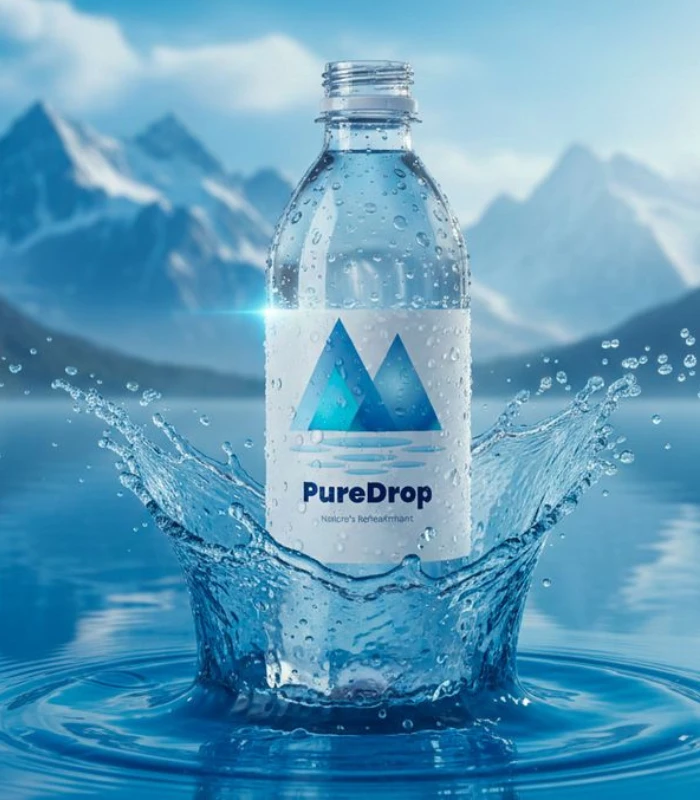
Source: in.pinterest.com
Core Elements of Strong Water Bottle Label Packaging Design
Visual Clarity and Hierarchy
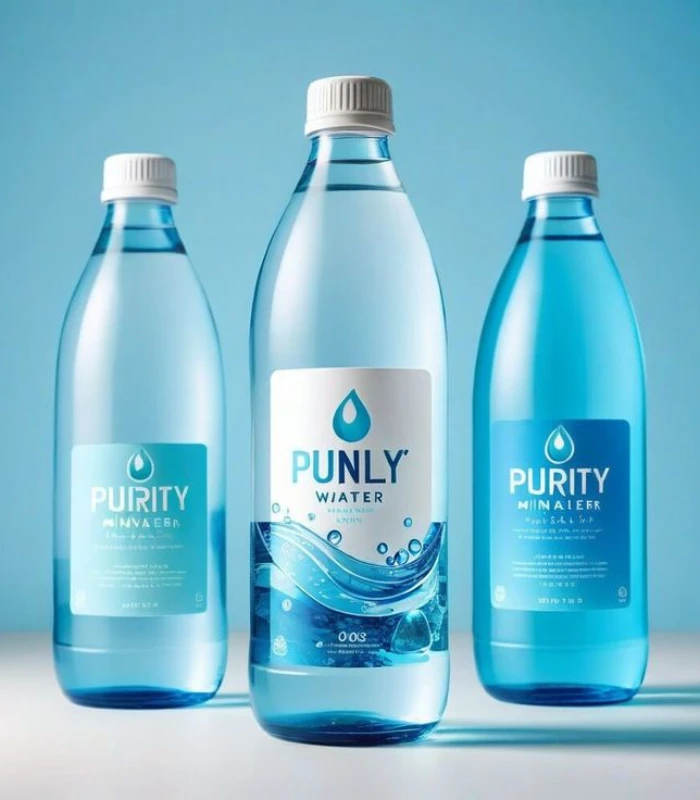
Clarity is essential in water bottle label packaging design. The brand name should be visible from a distance. The source, mineral composition, and purification method must be readable without effort.
Good structure ensures that information flows naturally from the brand name to key benefits and then to regulatory details. This approach prevents visual clutter and supports a professional appearance.
Source: in.pinterest.com
Source: in.pinterest.com
Material and Finish Selection
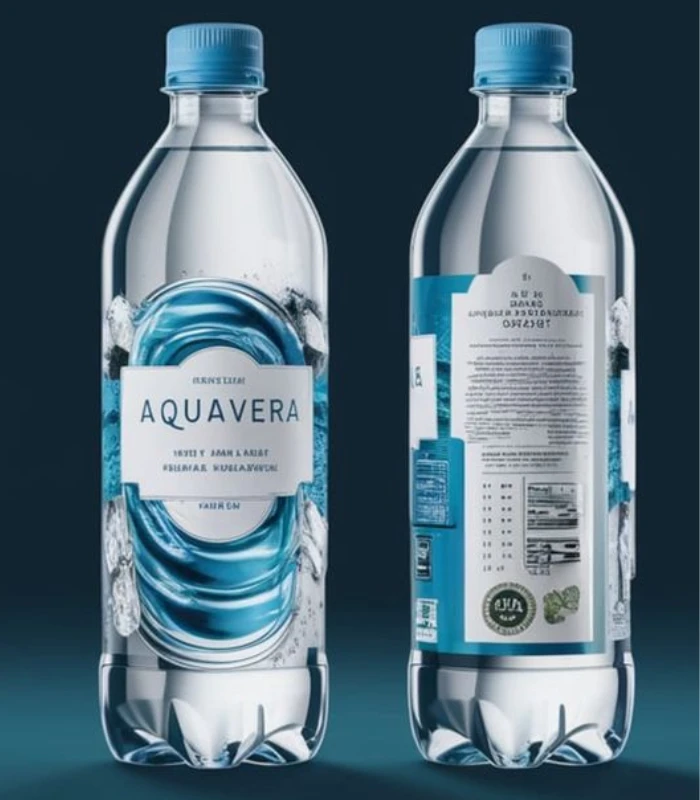
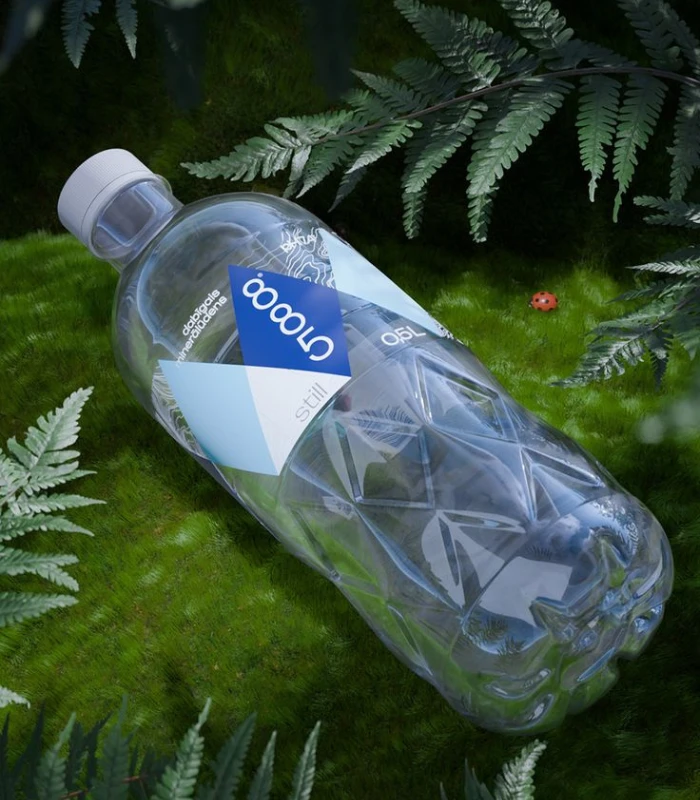
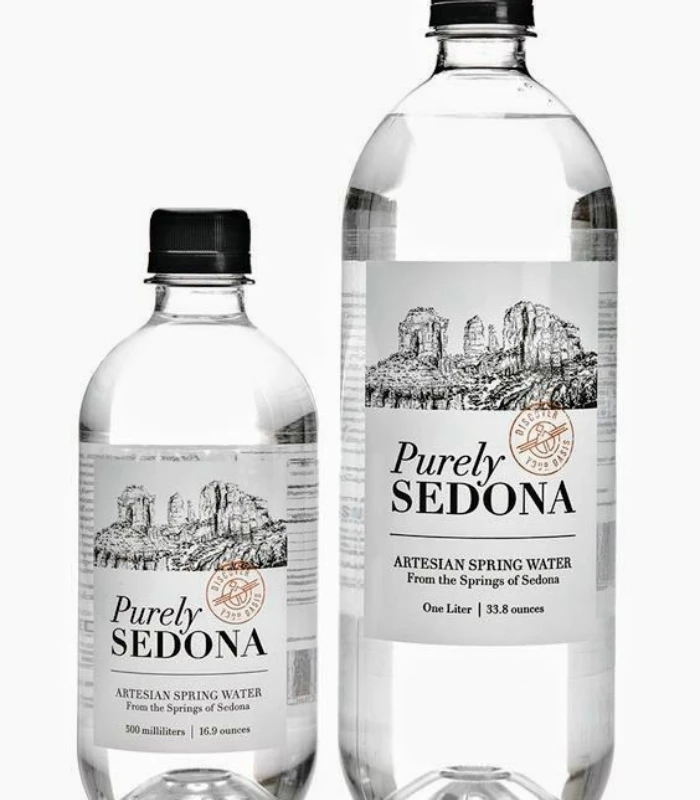
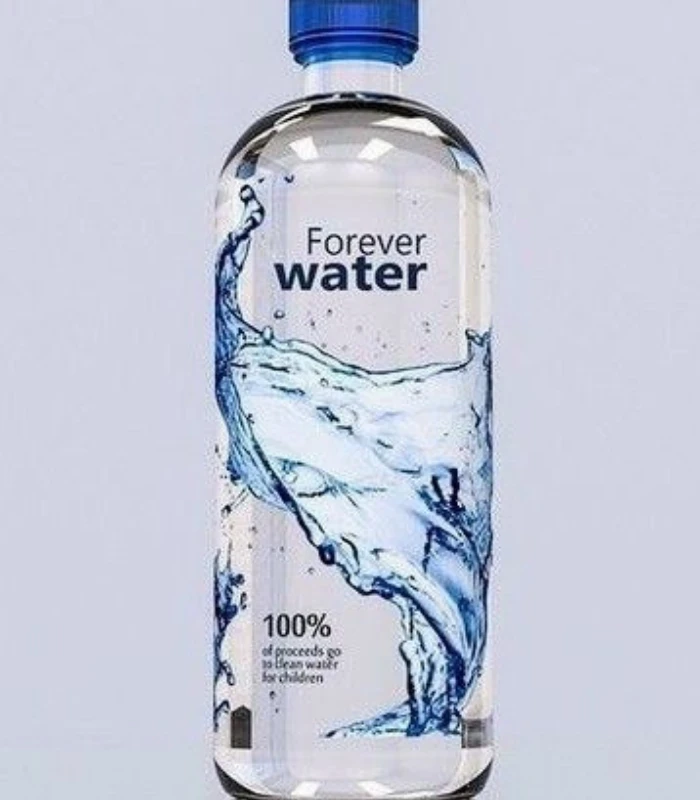
Label material significantly influences perception. Transparent film labels create a premium look by allowing the water inside to remain visible. Matte finishes convey sophistication, while glossy finishes add vibrancy.
Durability is equally important. Bottles stored in refrigerators experience condensation. The label must resist moisture and maintain print quality. High-quality materials demonstrate attention to detail and reflect the seriousness of the brand.
Source: in.pinterest.com
Source: in.pinterest.com
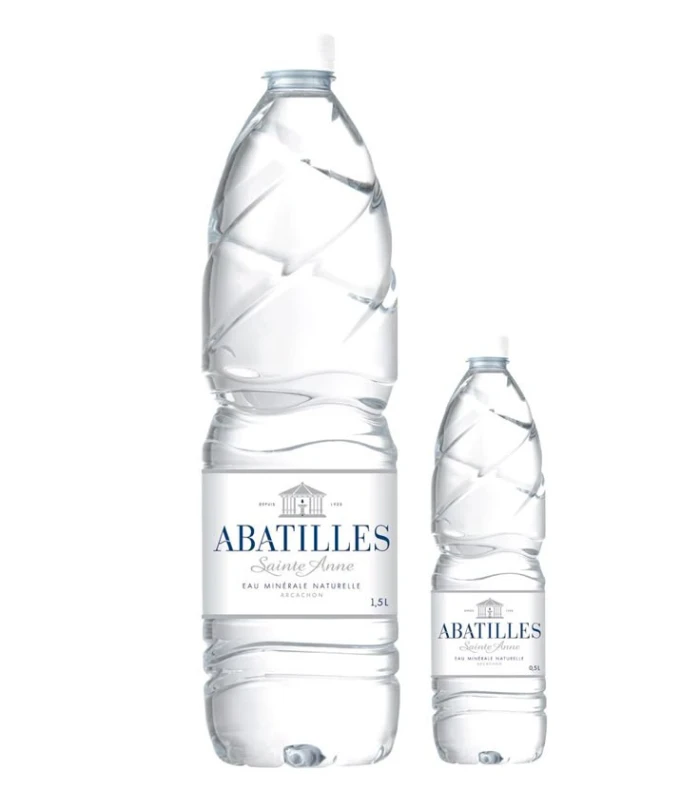
Brand Consistency Across Variants
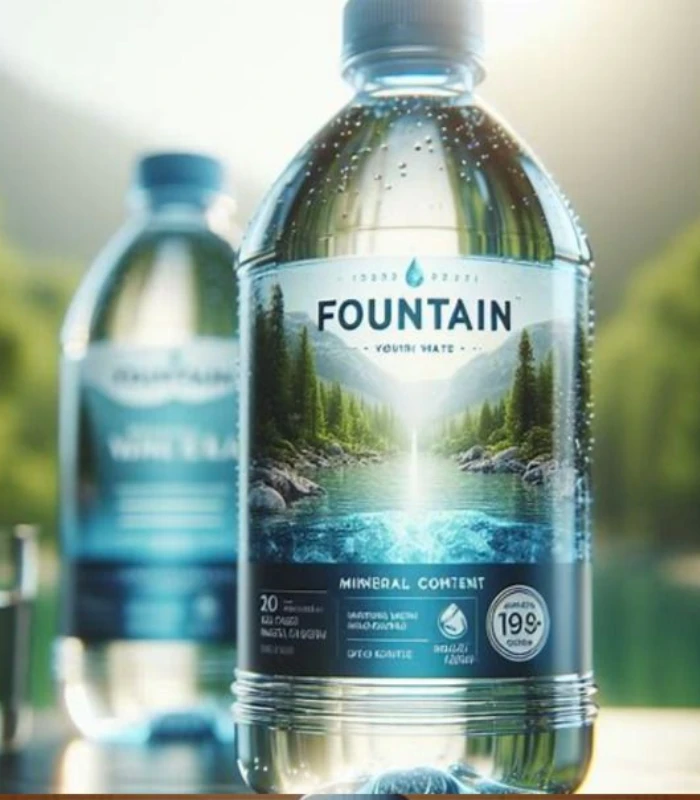
Water brands often offer multiple bottle sizes. Consistency in packaging design across these sizes reinforces identity. The color scheme, typography, and layout should remain cohesive.
This consistency ensures that even when consumers spot the product from a distance, they instantly recognize it.
Source: in.pinterest.com
Source: in.pinterest.com
The Role of Packaging Design in Brand Positioning
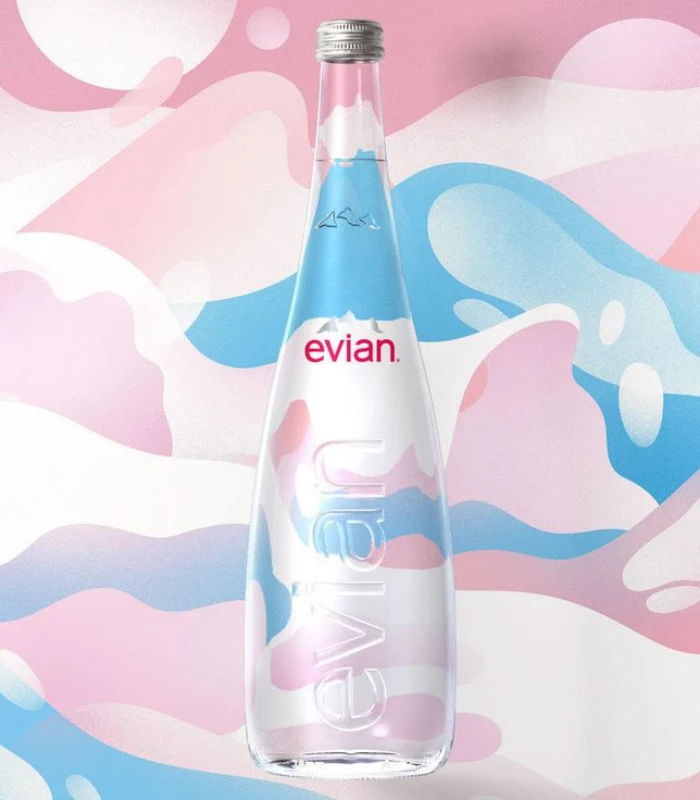
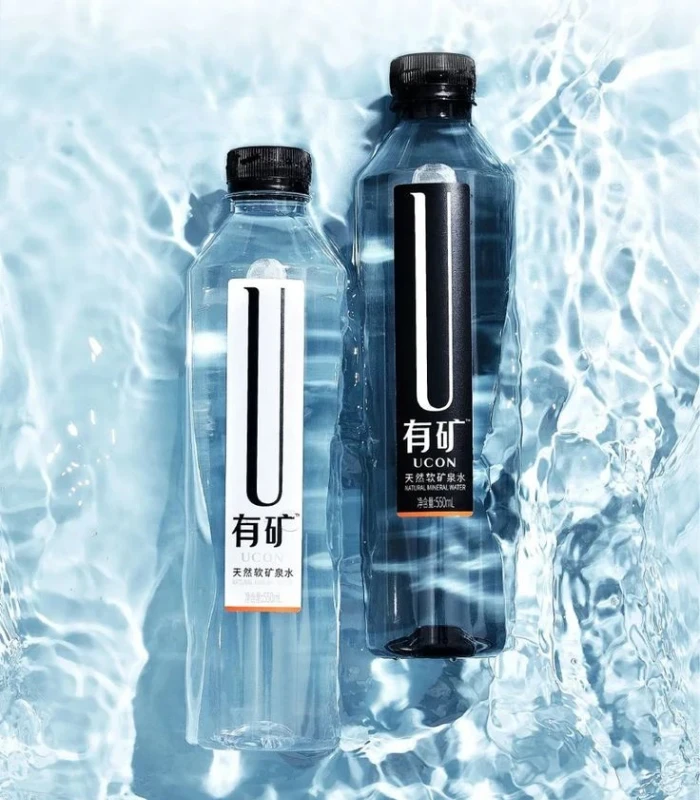
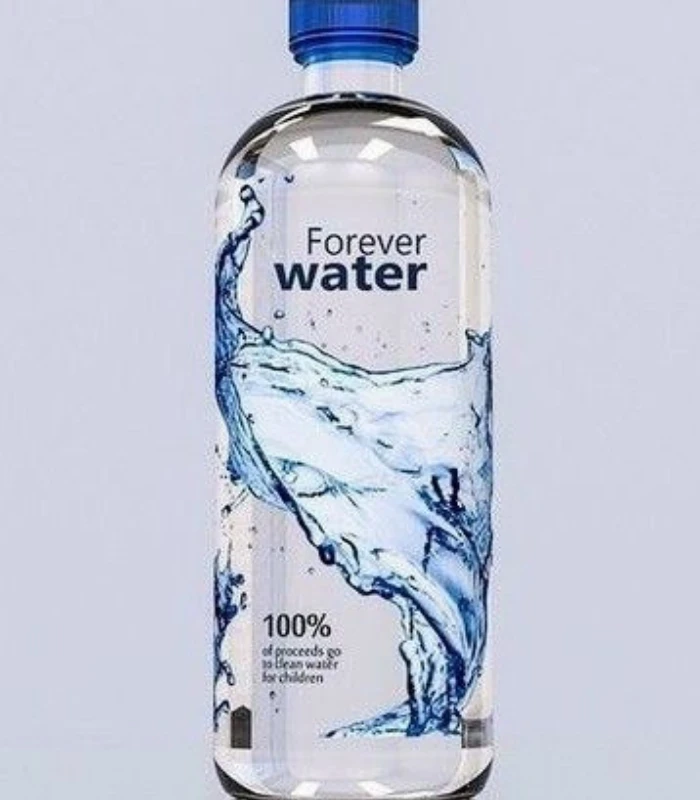
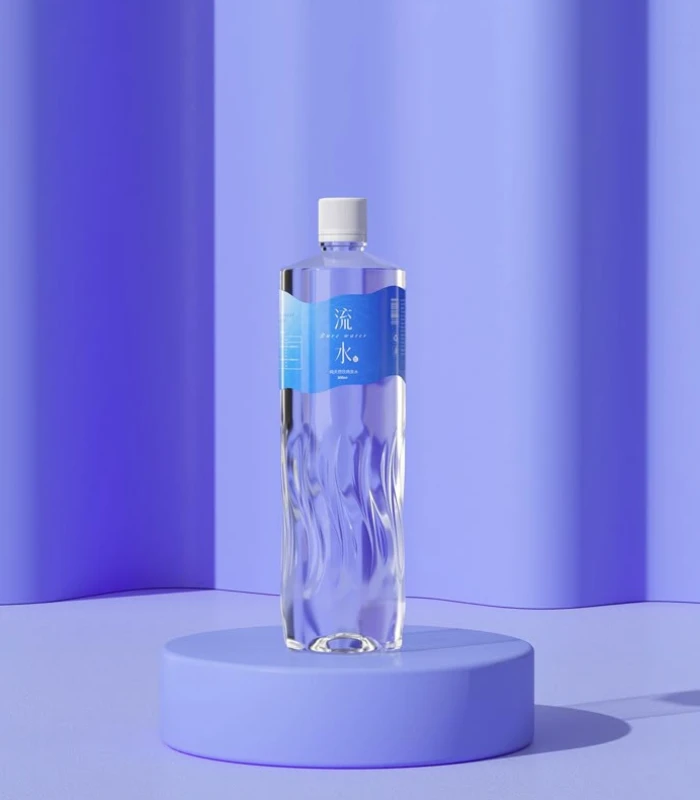
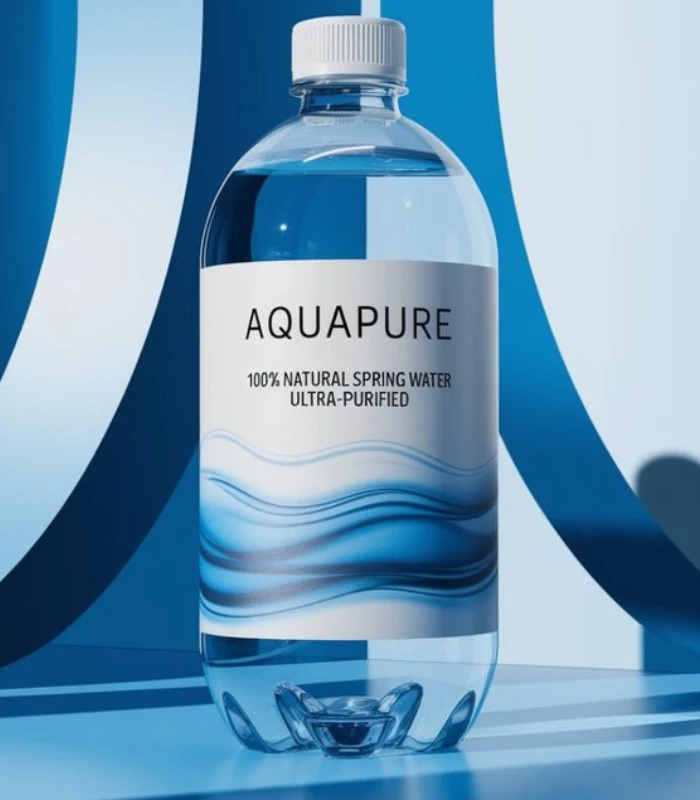
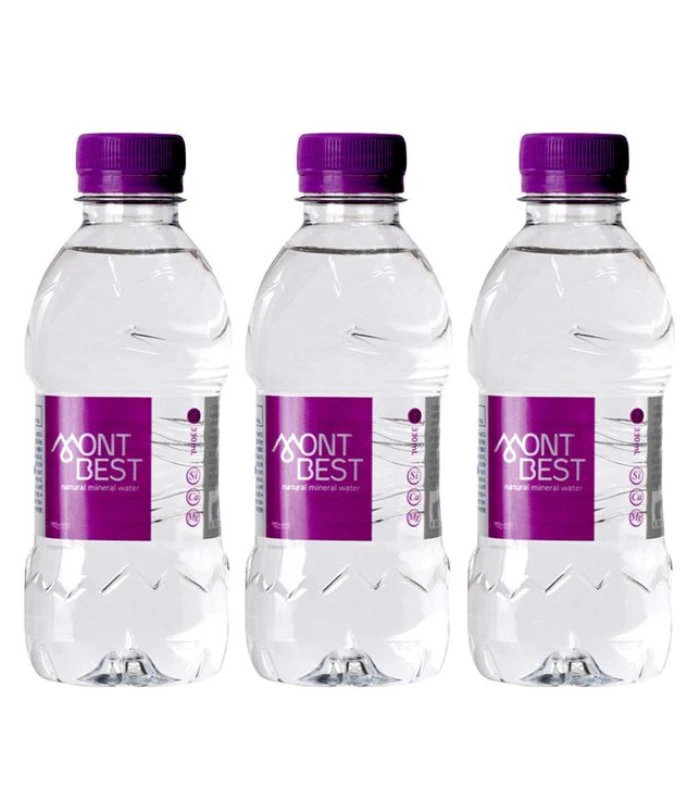
Water bottle label packaging design directly influences how a brand is positioned in the market. A minimalist design with subtle typography often communicates premium quality. Bold graphics and bright colors may target mass-market audiences.
Strategic packaging design allows brands to align visual identity with target customers. Premium mineral water brands may use metallic accents or embossed textures. Eco-friendly brands might emphasize recyclable materials and nature-inspired visuals.
Each design decision contributes to how consumers perceive value.
Source: in.pinterest.com
Source: in.pinterest.com
Source: in.pinterest.com
Source: in.pinterest.com
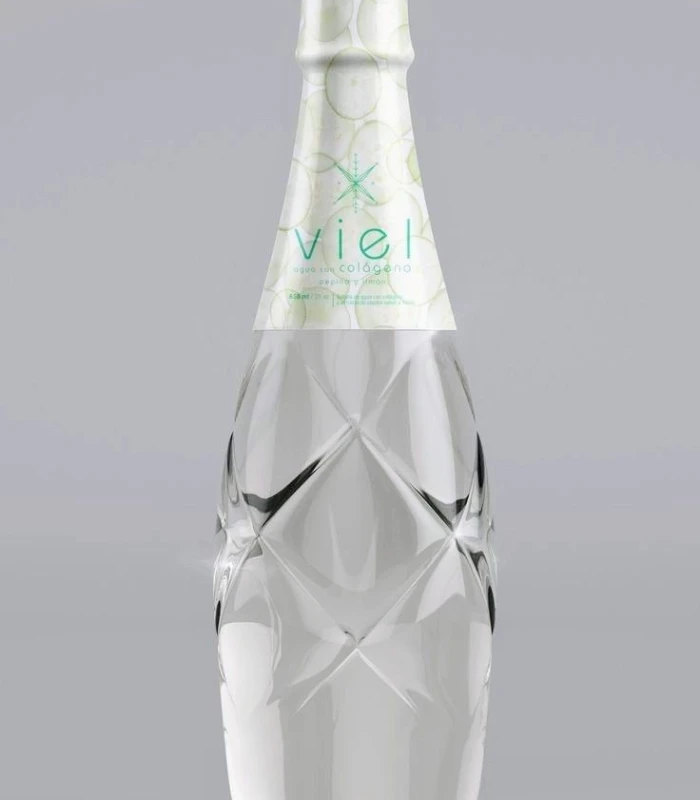
Sustainability in Water Bottle Label Packaging Design
Environmental awareness has become a decisive factor in consumer behavior. Many buyers now evaluate bottled water brands based on sustainability efforts.
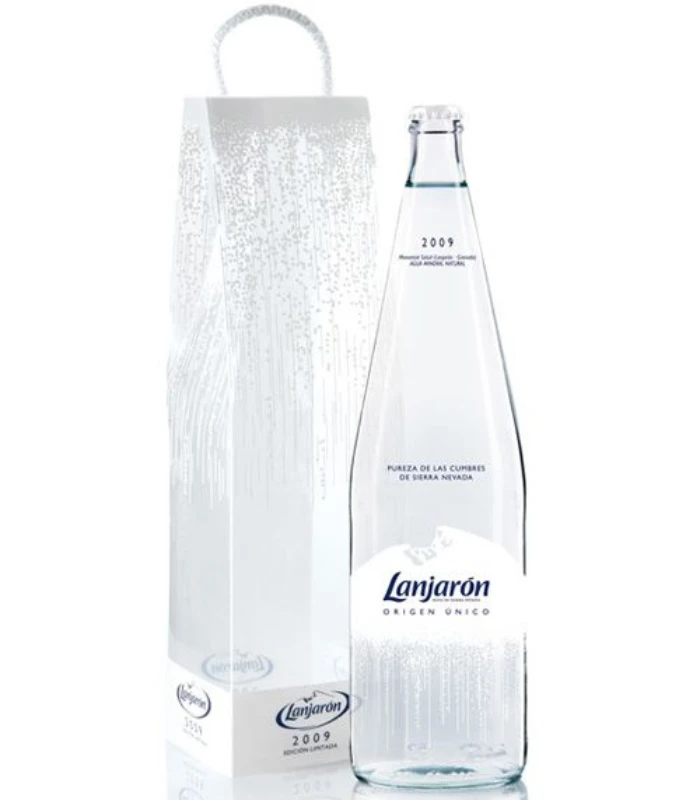
Eco-conscious packaging design may involve recyclable label materials, reduced ink coverage, and adhesives that allow easy separation during recycling. Communicating these efforts clearly but subtly can enhance brand reputation.
Sustainable bottle label design not only reduces environmental impact but also resonates emotionally with responsible consumers.
Source: in.pinterest.com
Source: in.pinterest.com
How Water Bottle Packaging Design Builds Long-Term Value
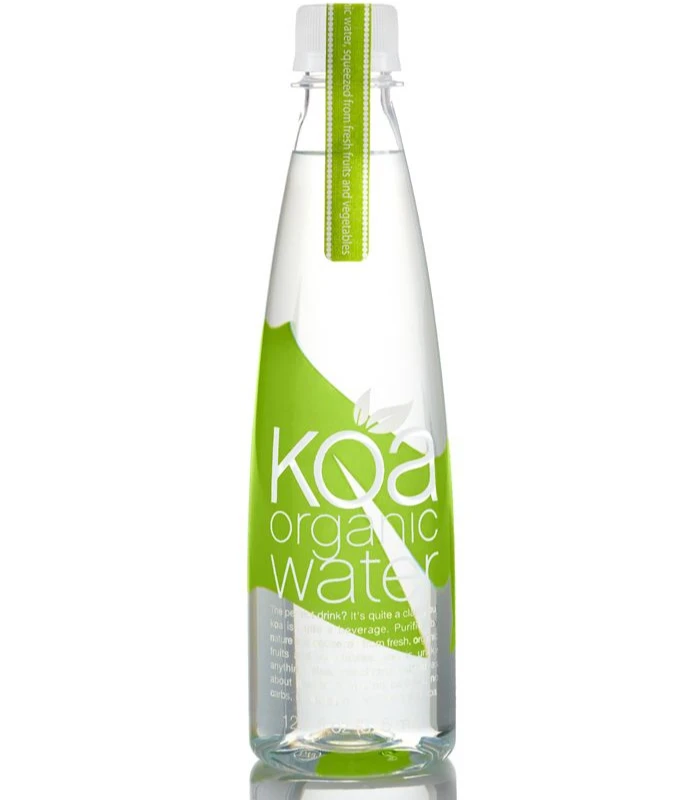
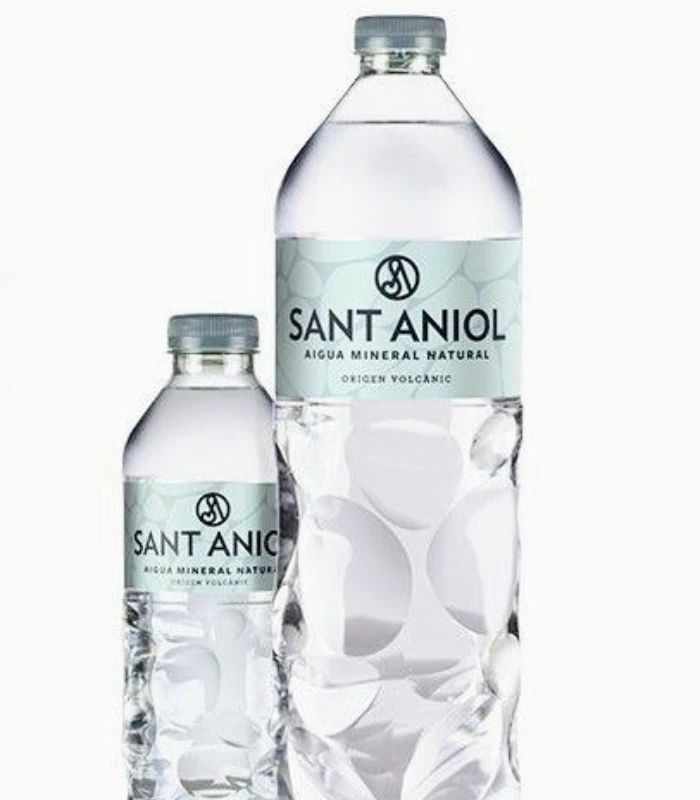
Water bottle packaging design plays a crucial role in brand memory. When customers remember how a bottle looks and feels, they can easily locate it again. This recognition shortens decision-making time and encourages repeat purchases.
Over time, consistent packaging design strengthens brand equity. It creates an emotional link between the product and consumer experience. A reliable and clean label becomes associated with safe hydration.
This long-term impact makes investment in design not just creative, but strategic.
Source: in.pinterest.com
Source: in.pinterest.com
Source: in.pinterest.com
Source: in.pinterest.com
Final Thoughts on Water Bottle Packaging Design
Water bottle packaging design carries the responsibility of representing purity, health, and reliability. Since bottled water itself offers limited sensory distinction, the label becomes the primary brand storyteller.
By investing in thoughtful packaging design, integrating structured box Label Design principles, and maintaining a distinctive logo design, brands can create lasting shelf presence and consumer trust.
In a competitive marketplace, the label is not just a wrapper. It is a promise of safety, freshness, and quality. When crafted with intention and clarity, water bottle label packaging design transforms an everyday necessity into a trusted brand experience.