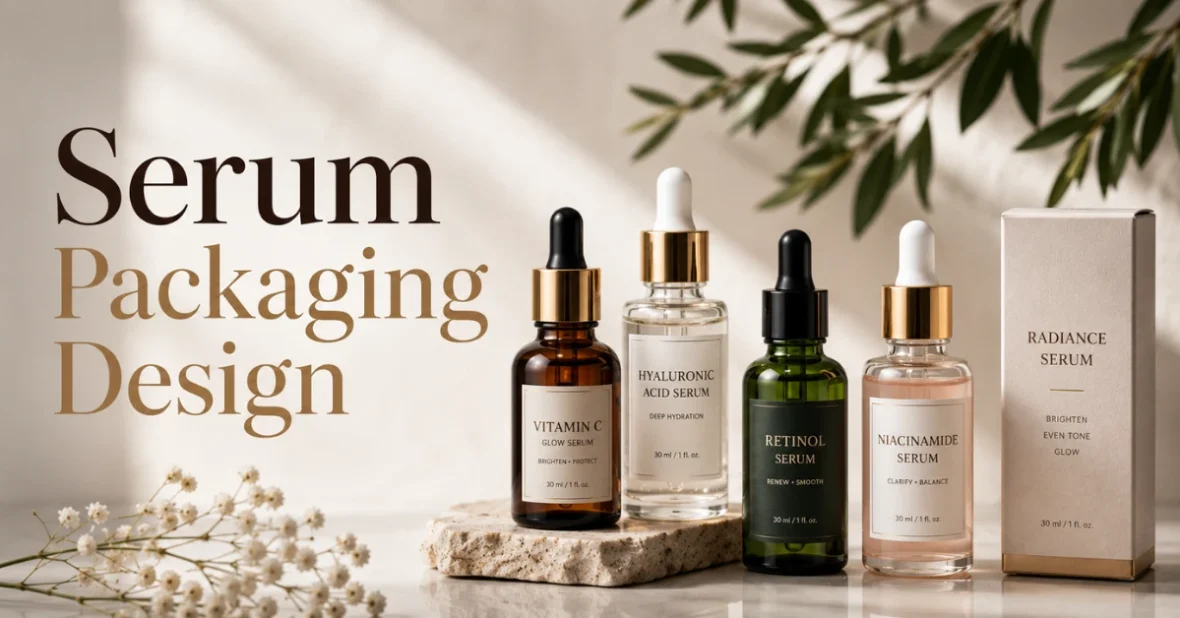
When customers shop for skincare products, they often decide long before they read the ingredient list. The first thing that captures their attention is the packaging. In a market where hundreds of serums promise glowing skin, hydration, anti-aging benefits, and brightening results, packaging becomes the silent salesperson that influences buying decisions within seconds.
Serum packaging design is much more than creating an attractive bottle. It is about communicating your brand story, protecting the product, creating a premium experience, and building trust with customers. Whether your serum is designed for vitamin C, hyaluronic acid, retinol, or niacinamide, the packaging should reflect the quality of the formulation inside.
At IPack, we believe exceptional packaging design combines creativity, functionality, and strategic branding to create a memorable customer experience. In this blog, we’ll explore why serum packaging design matters, the latest trends shaping the skincare industry branding, and how brands can create packaging that truly stands out.
Source: in.pinterest.com
Source: in.pinterest.com
Source: in.pinterest.com
Source: in.pinterest.com
Why Serum Packaging Design Matters More Than Ever
The global skincare industry has become increasingly competitive, with new brands entering the market every day. Consumers now have endless choices, making packaging one of the strongest differentiators on shelves or in online marketplaces.
A thoughtfully designed serum package instantly communicates professionalism and quality. It reassures customers that the brand has invested not only in its product but also in delivering a premium experience. This first impression often determines whether a customer chooses your product over a competitor’s.
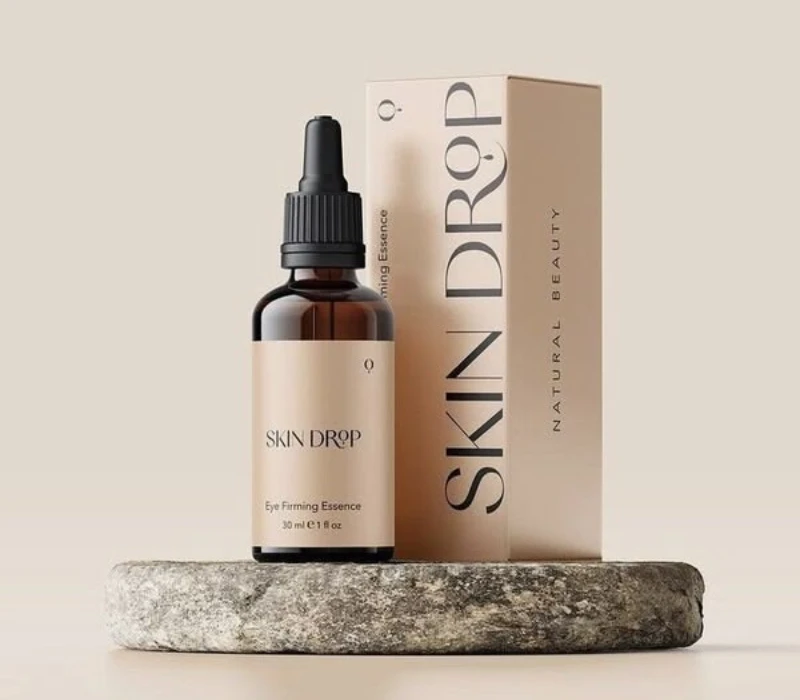
Beyond aesthetics, serum packaging serves practical purposes. It protects sensitive formulations from light, air, moisture, and contamination, helping preserve the effectiveness of active ingredients. Good packaging therefore becomes an essential part of the product itself rather than simply a decorative container.
Source: in.pinterest.com
Source: in.pinterest.com
Understanding What Consumers Expect from Serum Packaging
Today’s skincare buyers are more informed than ever. They research ingredients, compare brands, read reviews, and pay close attention to packaging before making a purchase.
Modern consumers appreciate packaging that is clean, informative, and easy to use. They want labels that clearly explain product benefits, ingredients, usage instructions, and safety information without overwhelming the design.
They also value convenience. Airless pumps, precision droppers, and leak-proof caps have become increasingly popular because they improve usability while reducing product waste.
Sustainability has also become a deciding factor for many customers. Brands that use recyclable materials, refillable packaging, soy-based inks, or minimal plastic often earn greater customer trust and loyalty.
Source: in.pinterest.com
Source: in.pinterest.com
Elements That Make a Great Serum Packaging Design
Every successful serum package is built around a balance of visual appeal and functionality. While trends may change, several design principles remain timeless.
Source: in.pinterest.com
Source: in.pinterest.com
Premium Material Selection
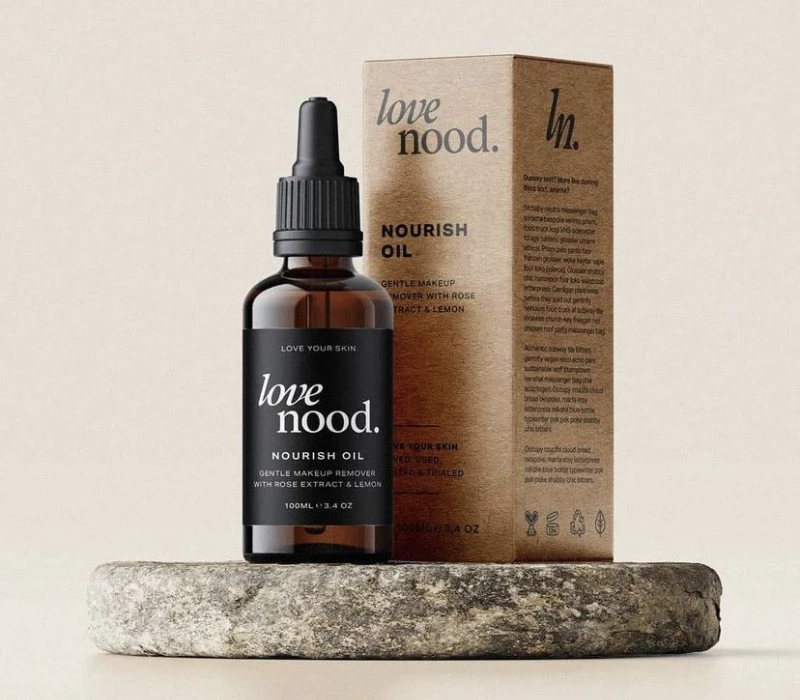
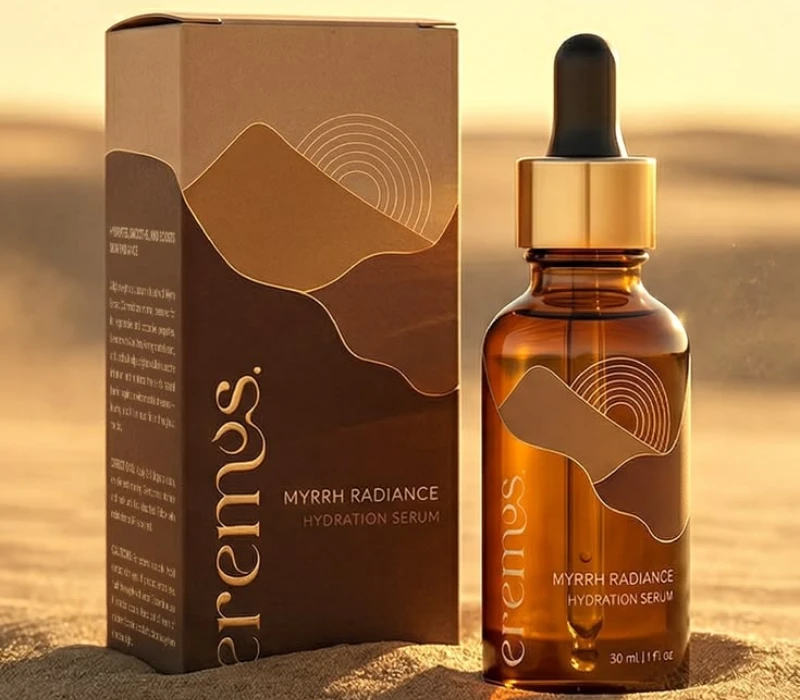
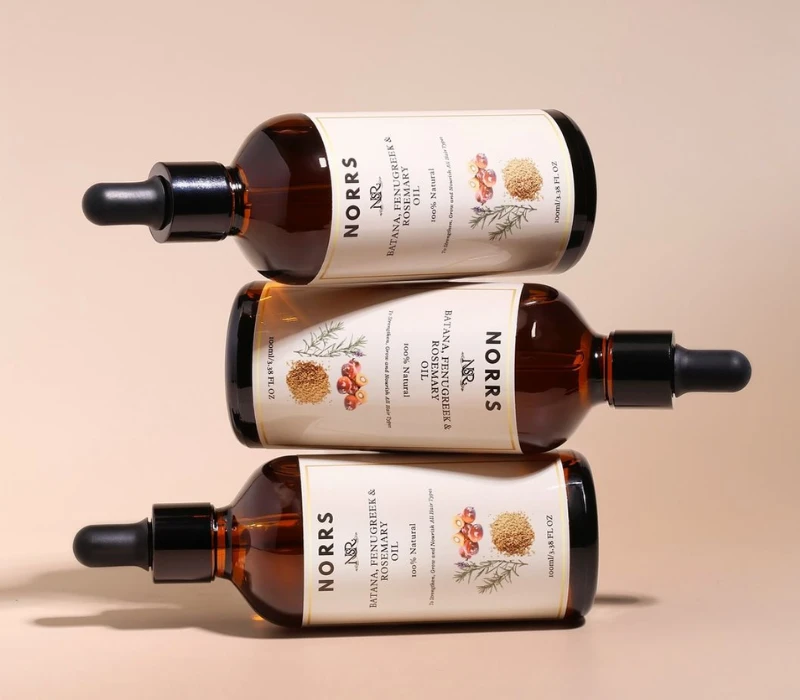
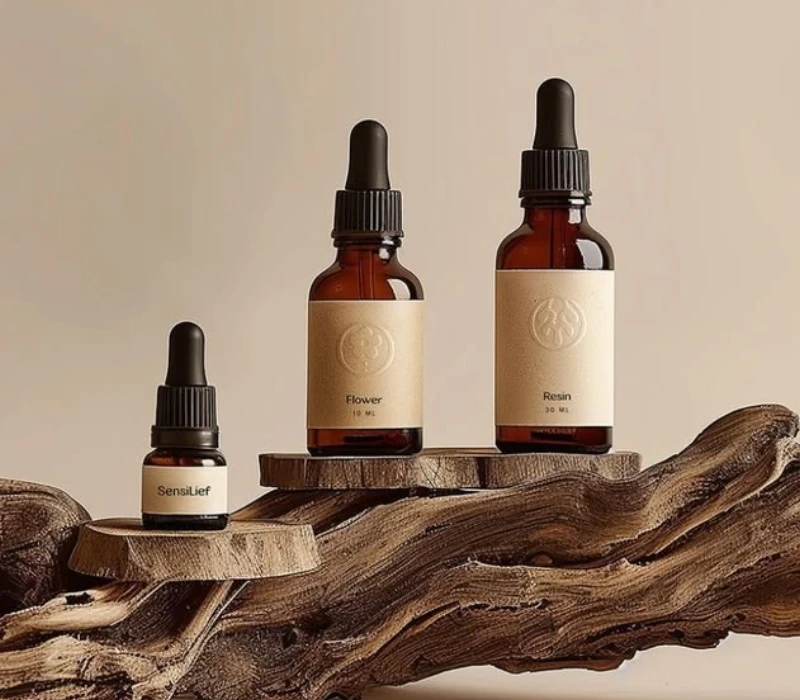
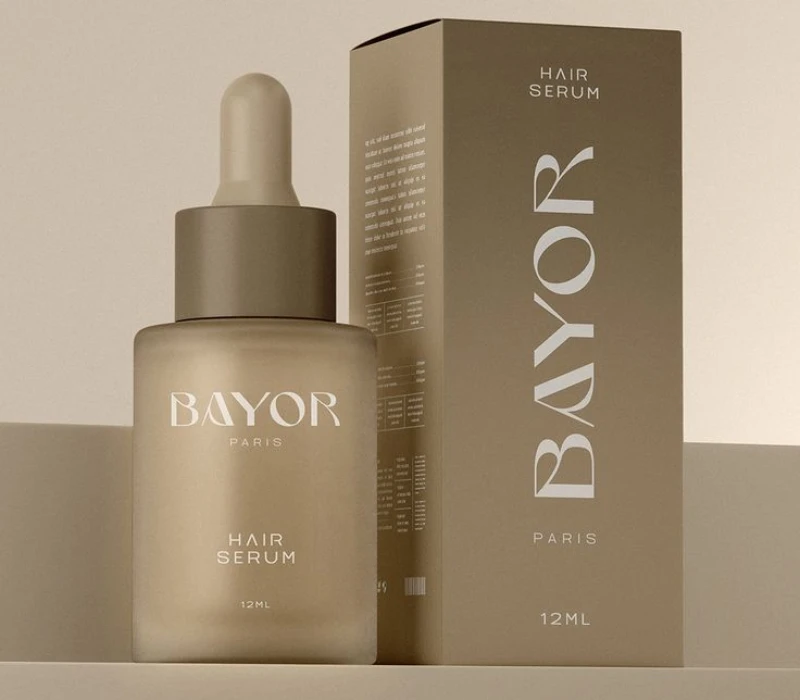
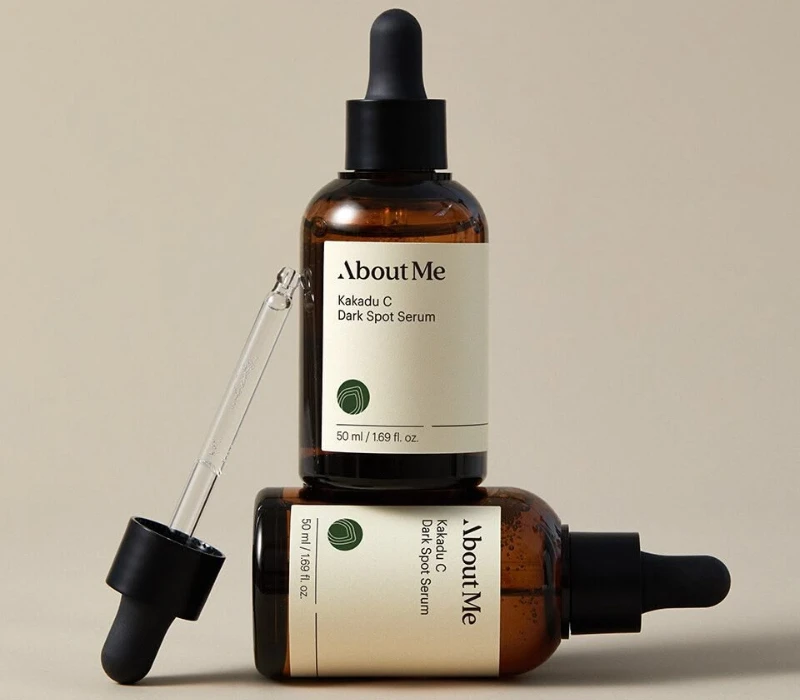
The choice of packaging material significantly impacts customer perception. Glass bottles remain the preferred option for premium skincare brands because they offer excellent product protection while conveying sophistication. Frosted glass, amber bottles, and matte finishes further enhance the luxury packaging design appeal.
Plastic alternatives remain suitable for travel-friendly or affordable product lines, provided they maintain durability and aesthetic quality.
Source: in.pinterest.com
Source: in.pinterest.com
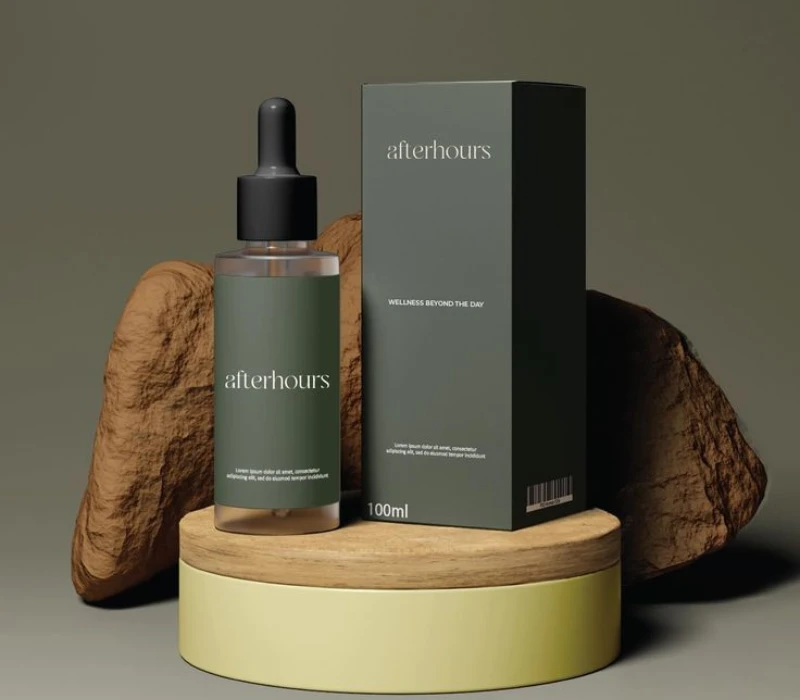
Typography That Builds Confidence
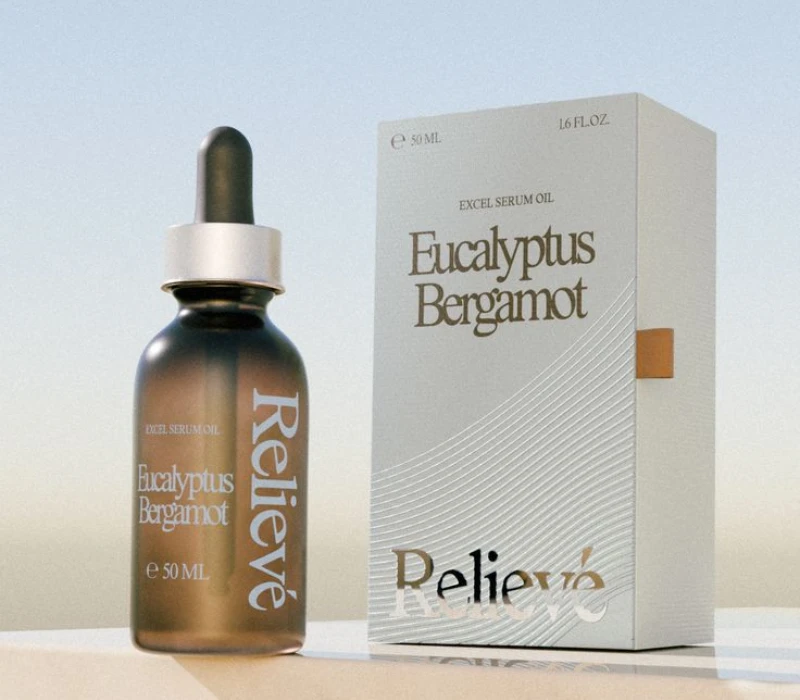
Typography plays a surprisingly important role in packaging design. Clean, modern fonts help customers quickly understand product information while reinforcing a premium image.
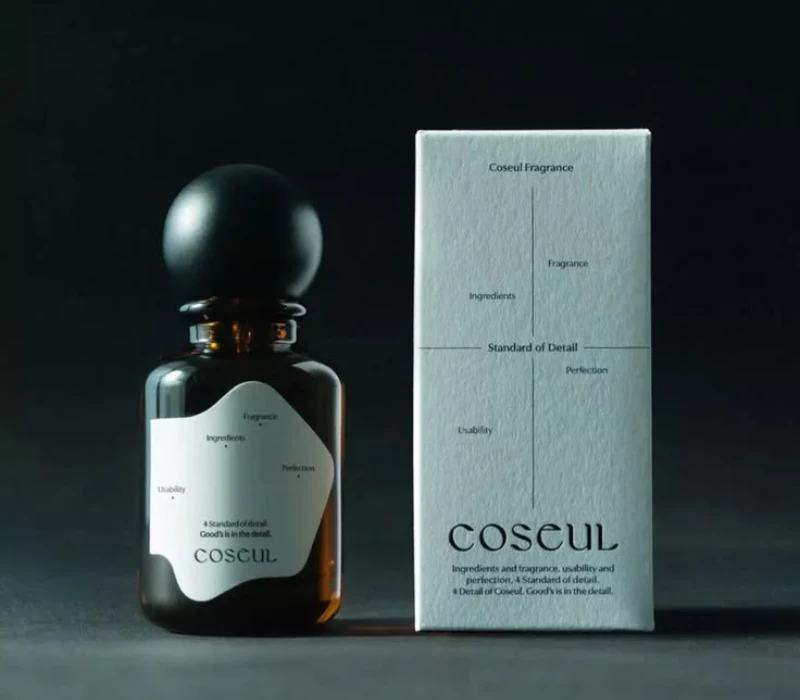
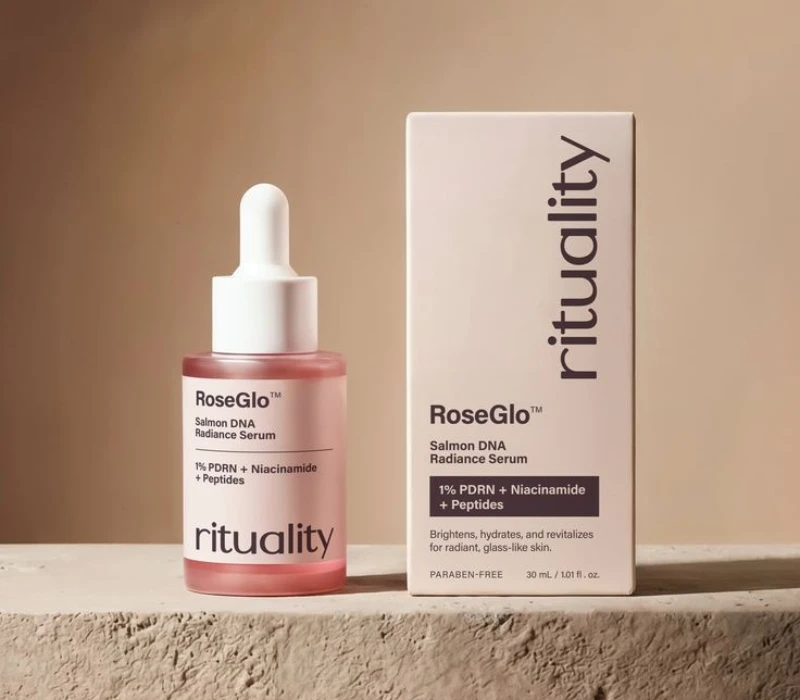
The best serum packaging avoids excessive text on the front label. Instead, it prioritizes clarity by highlighting the product name, key ingredient, and primary benefit in a visually balanced layout.
Source: in.pinterest.com
Source: in.pinterest.com
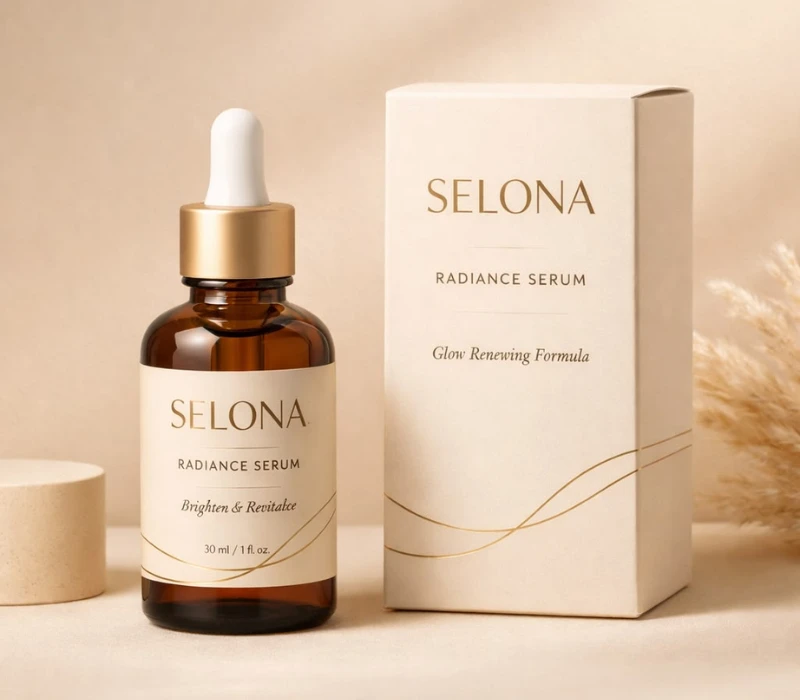
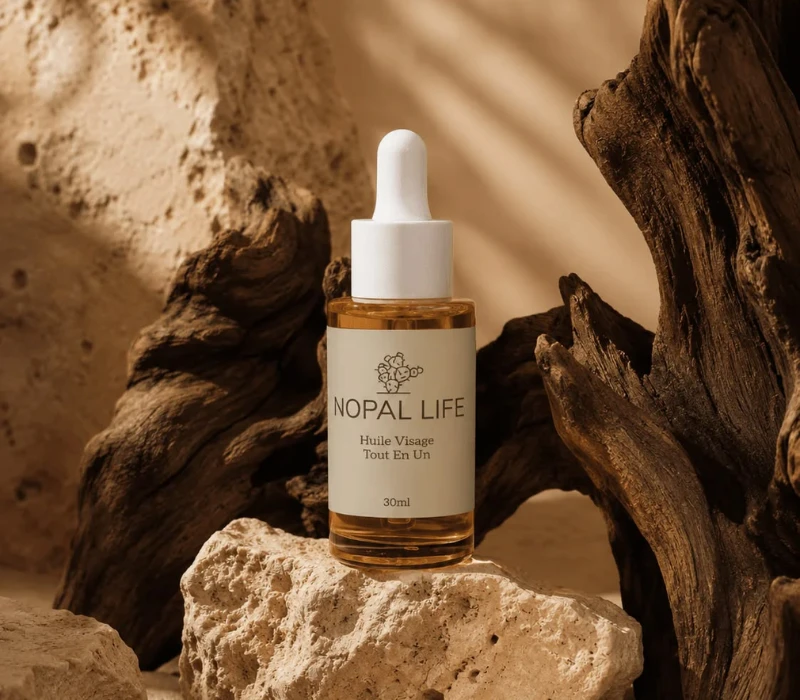
Strategic Color Psychology
Color influences purchasing decisions more than many brands realize.
White packaging often represents purity and clinical skincare.
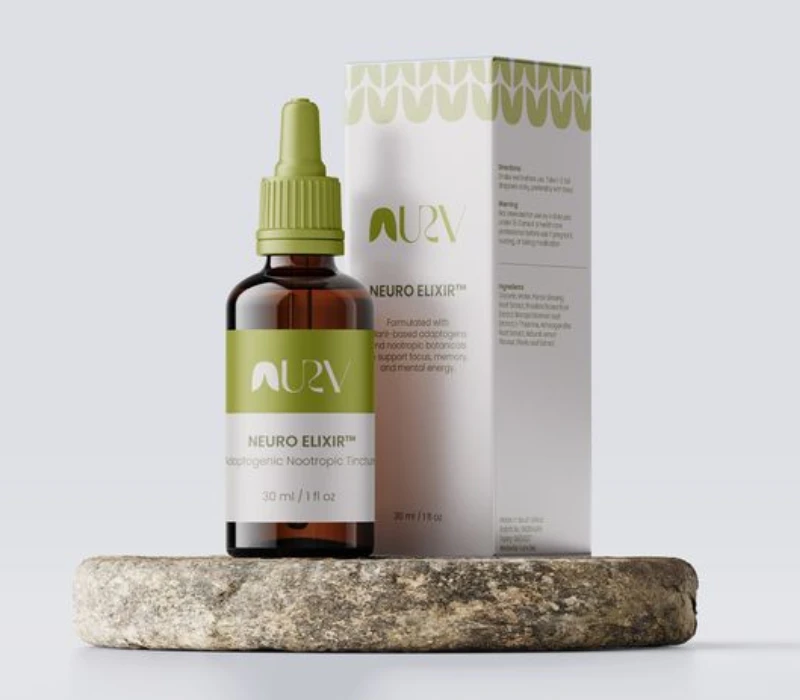
Green communicates natural and organic formulations.
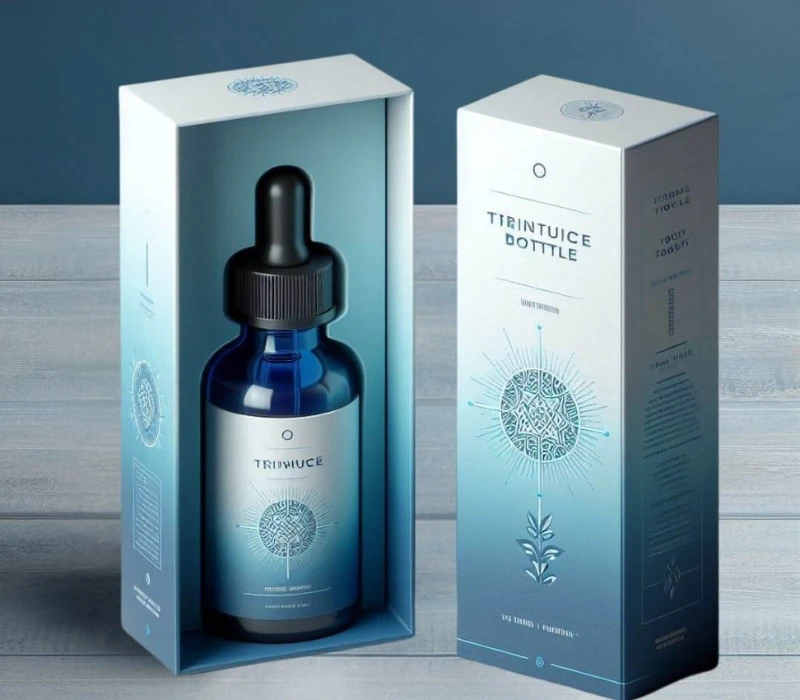
Blue suggests hydration, freshness, and trust.
Gold and black create a luxurious and premium appearance.
Orange is commonly associated with Vitamin C products because it naturally reinforces the ingredient’s identity.
Selecting the right color palette helps consumers instantly recognize the product’s purpose even before reading the label.
Source: in.pinterest.com
Source: in.pinterest.com
Trends Shaping Modern Serum Packaging Design
The skincare industry continues to evolve rapidly, and packaging trends reflect changing consumer preferences.
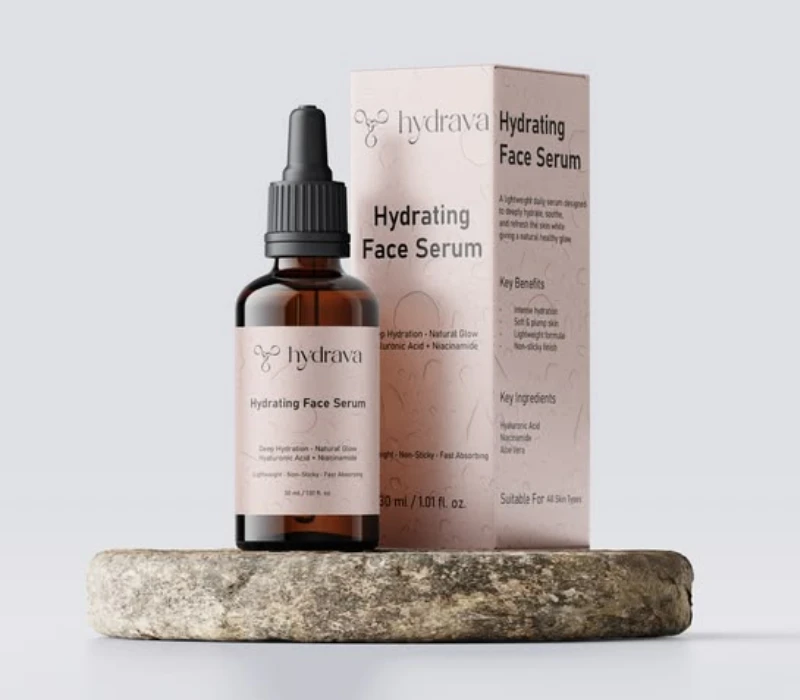
Minimalist design remains one of the strongest trends. Clean layouts with generous white space, subtle typography, and limited colors create a sophisticated look that appeals to modern buyers.
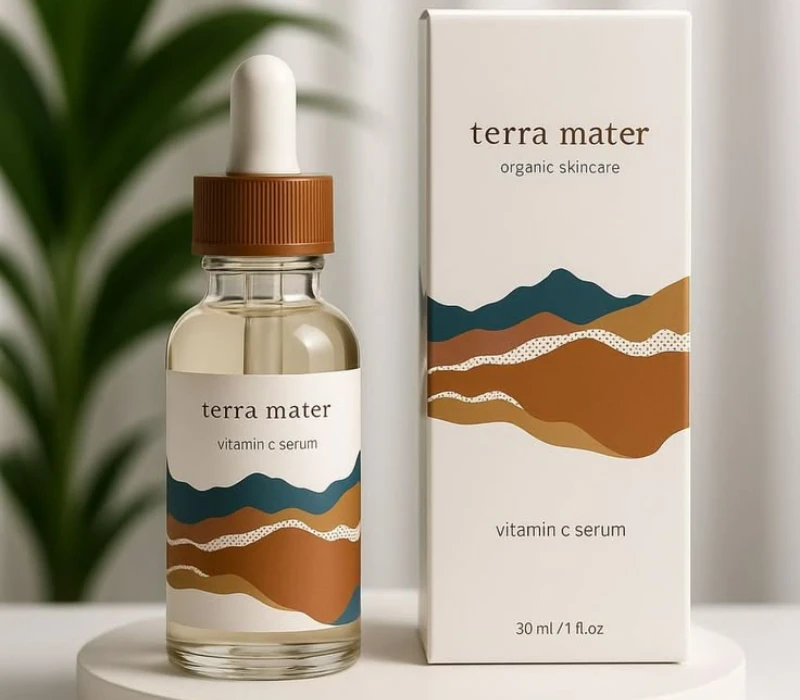
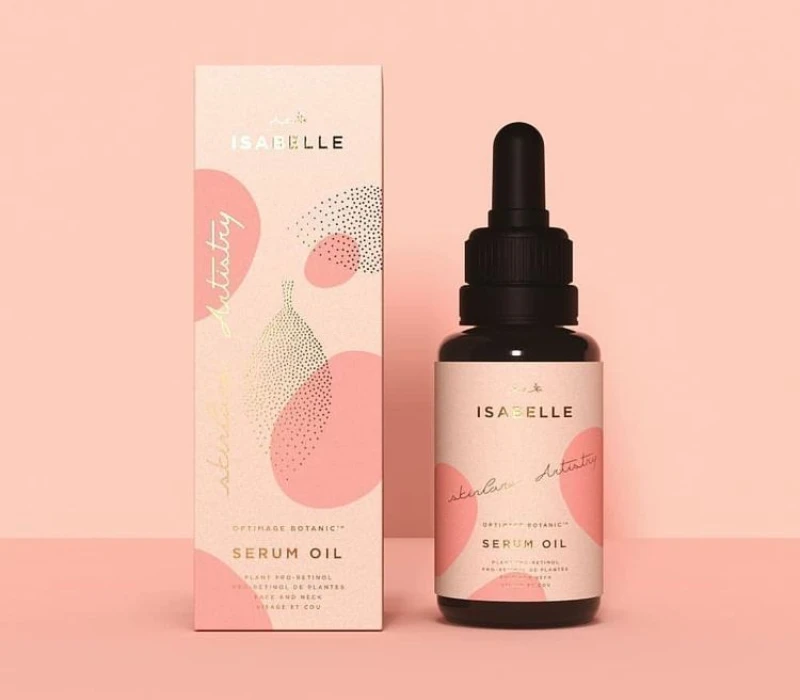
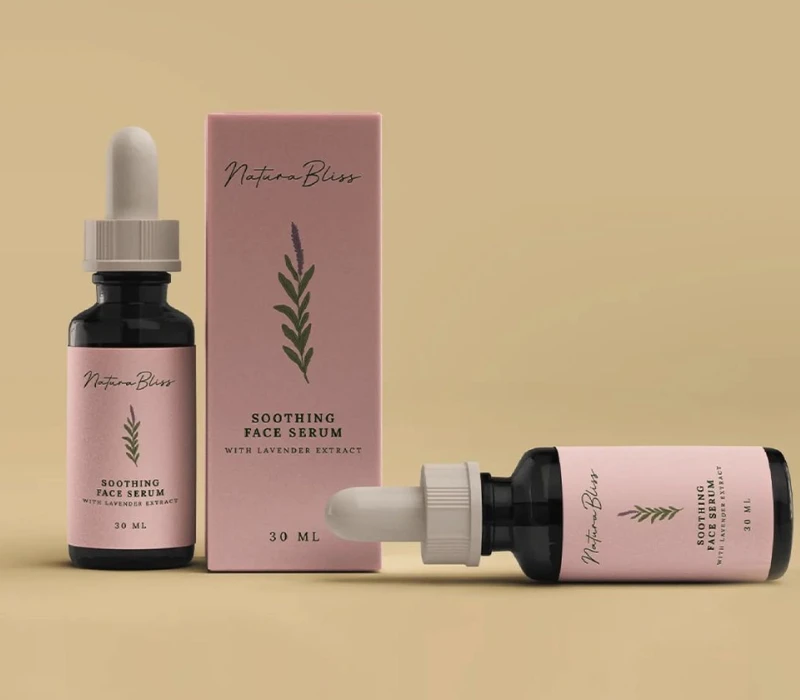
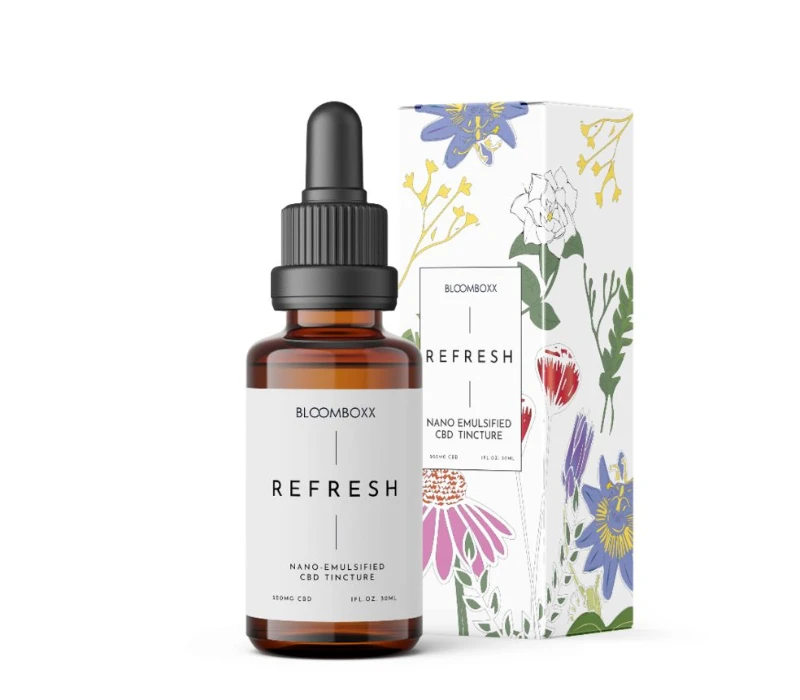
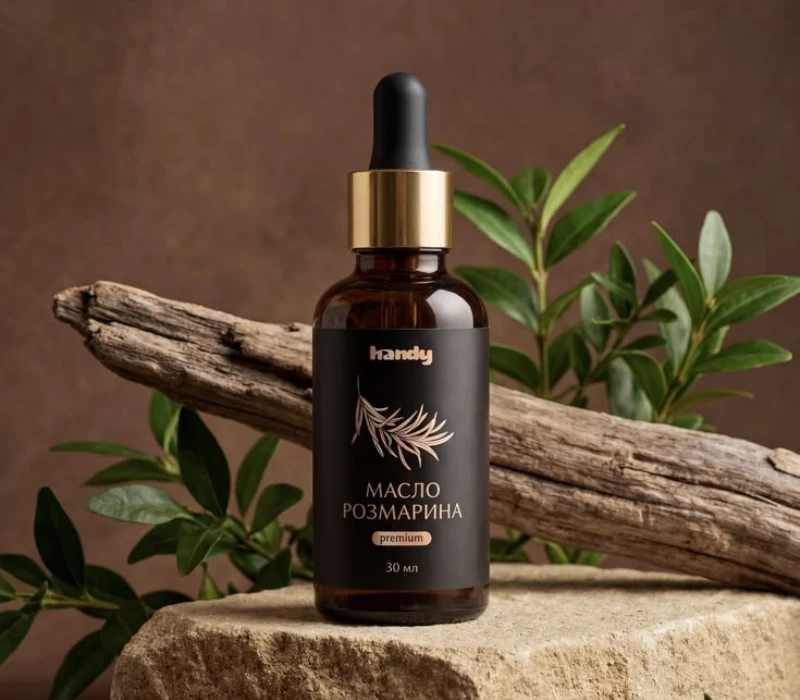
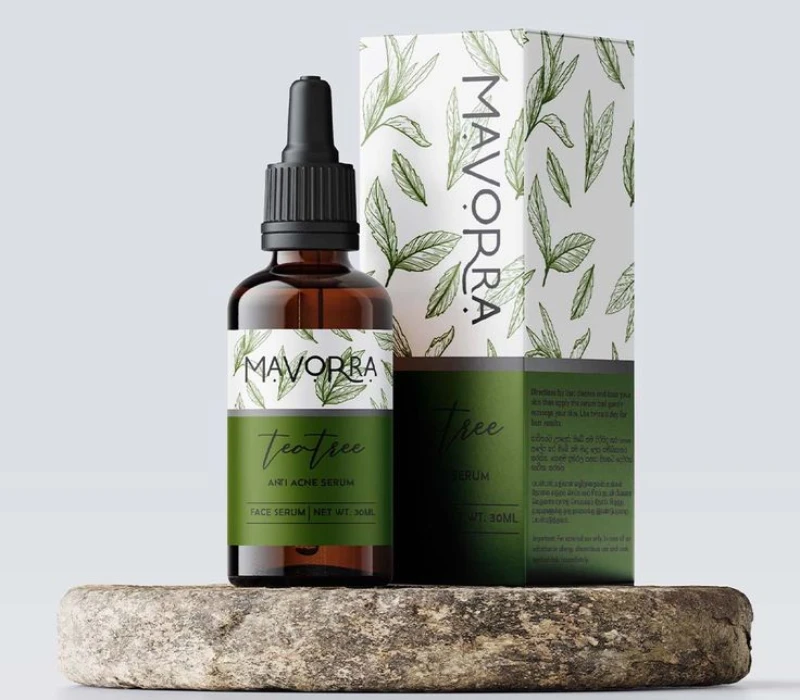
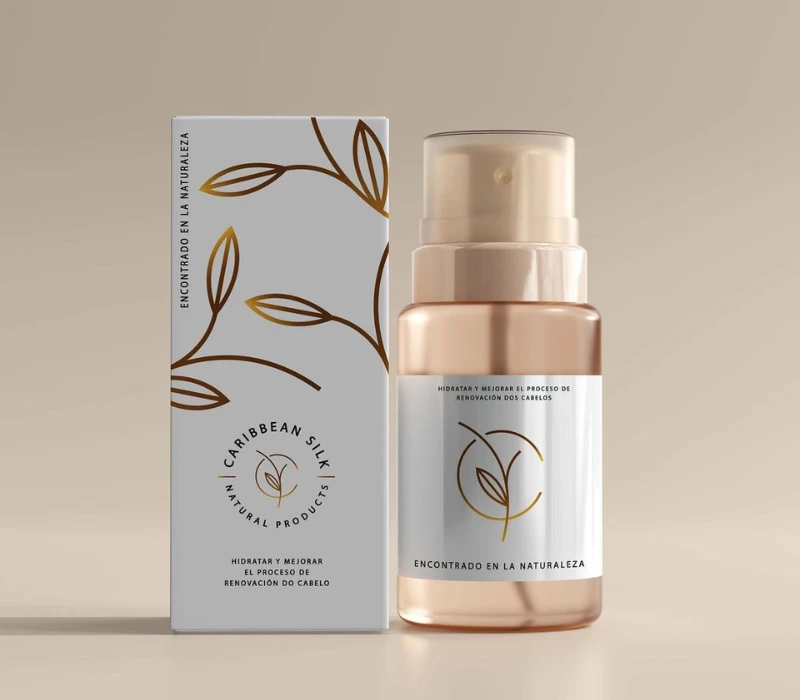
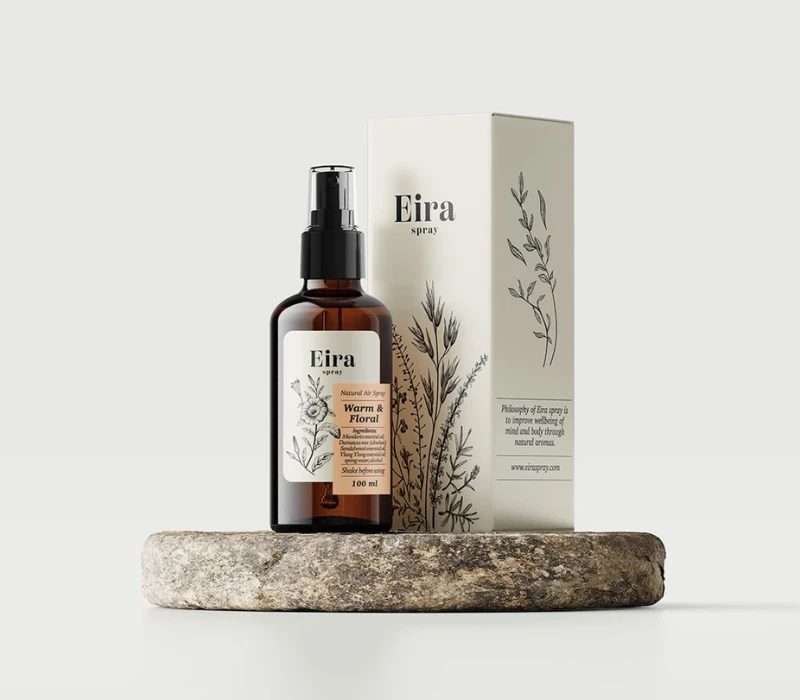
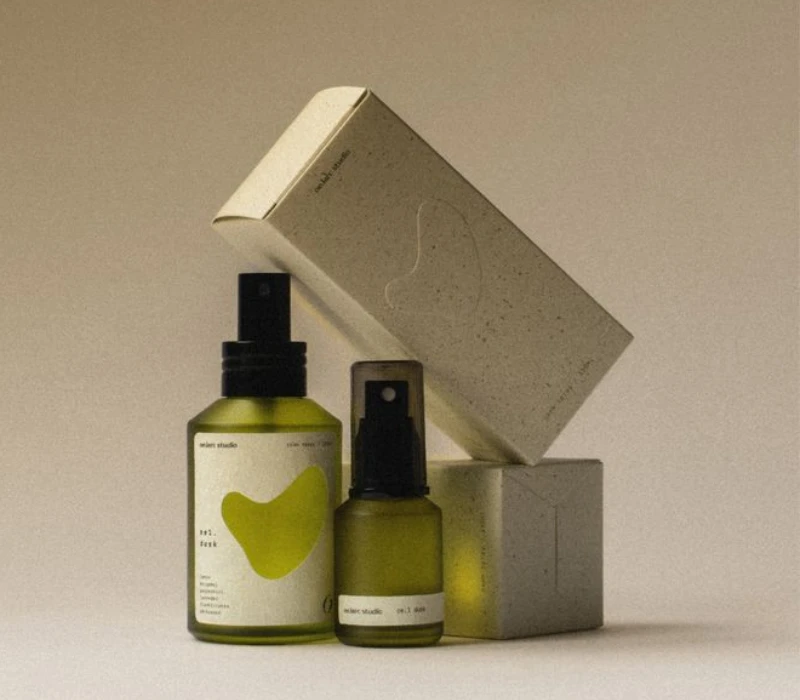
Custom illustrations and botanical graphic design are also becoming increasingly popular among natural skincare brands. These visual elements help communicate ingredient stories while making products feel authentic.
Many brands are embracing textured finishes such as soft-touch coatings, embossed logos, metallic foils, and UV spot finishes to create a more premium unboxing experience.
Another growing trend is smart packaging. QR codes printed on packaging allow customers to access ingredient information, usage tutorials, authenticity verification, and brand stories with a simple scan.
These interactive experiences strengthen customer engagement while adding value beyond the physical product.
Source: in.pinterest.com
Source: in.pinterest.com
Balancing Beauty with Functionality
Beautiful packaging attracts attention, but functional packaging earns repeat customers.
Serum formulations often contain highly active ingredients that can degrade when exposed to sunlight or oxygen. Packaging should therefore protect product integrity while remaining easy to use.
Airless pump bottles are increasingly preferred for formulations containing Vitamin C and retinol because they reduce oxidation. Dropper bottles remain popular for their precision, although they require careful material selection to maintain product stability.
Leak-proof closures, durable bottles, and ergonomic designs also contribute to a positive customer experience, particularly for online retail where products undergo shipping and handling.
The best packaging design seamlessly combines aesthetics with practical performance.
Source: in.pinterest.com
Source: in.pinterest.com
Creating a Memorable Brand Identity Through Packaging
Every skincare brand tells a story, and packaging is often where that story begins.
Luxury brands typically focus on elegant simplicity, premium materials, and understated branding. Clinical skincare companies lean toward scientific aesthetics with clean typography and neutral color palettes. Organic brands frequently incorporate earthy colors, textured papers, and botanical imagery.
The goal is not simply to create attractive packaging but to design packaging that consistently reflects the brand’s personality and values.
When customers recognize your packaging instantly, you’ve created a powerful brand asset that continues working long after the first purchase.
Source: in.pinterest.com
Source: in.pinterest.com
Why Professional Packaging Design Makes a Difference
Many businesses underestimate the strategic role packaging plays in product success. Professional packaging designers consider far more than visual appearance.
They evaluate consumer psychology, retail visibility, production feasibility, printing techniques, regulatory compliance, sustainability, and overall brand positioning. Every design decision is made with both creativity and commercial performance in mind.
At IPack, we approach packaging design as an extension of the brand itself. Every project begins with understanding the target audience, product positioning, and competitive landscape before translating those insights into packaging that captures attention and builds customer trust.
Rather than following temporary trends, we focus on creating timeless packaging solutions that help skincare brands establish a strong market presence while delivering a memorable customer experience.
Source: in.pinterest.com
Source: in.pinterest.com
Source: in.pinterest.com
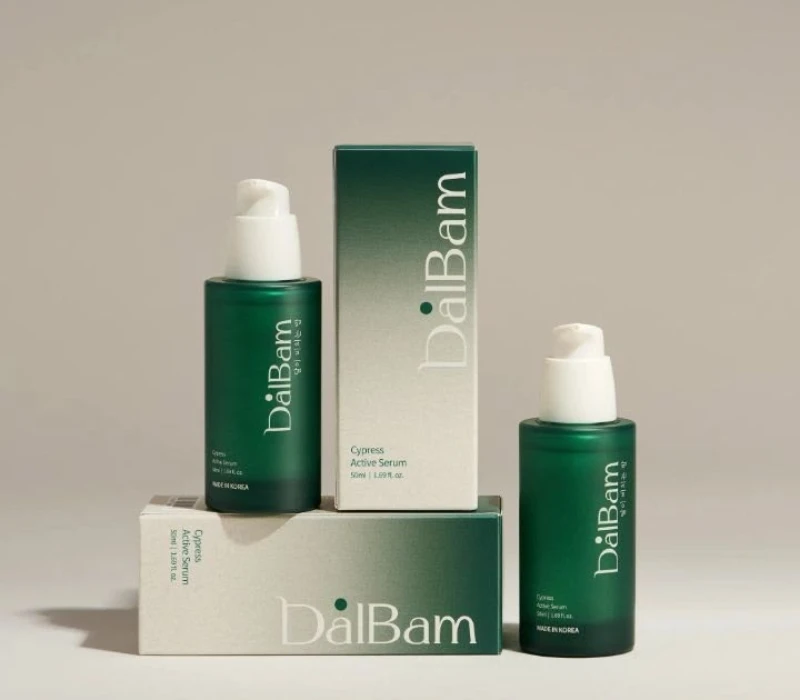
Source: in.pinterest.com
Conclusion
In today’s competitive skincare market, exceptional serum packaging design is no longer optional—it’s a business necessity. Packaging influences first impressions, communicates product quality, protects valuable formulations, and shapes long-term brand perception.
A successful serum package combines aesthetics, functionality, sustainability, and strategic branding into one cohesive experience. From selecting the right materials and typography to incorporating user-friendly dispensing systems and premium finishes, every detail contributes to how customers perceive your brand.
As consumer expectations continue to evolve, investing in thoughtful packaging design will remain one of the smartest decisions a skincare brand can make. The right packaging doesn’t simply hold a product—it tells a story, builds confidence, and inspires customers to choose your brand again and again.
If you’re looking to develop distinctive serum packaging that reflects your brand identity while standing out in a competitive market, IPackDesign specializes in creating innovative packaging solutions that combine creativity, functionality, and lasting brand impact.