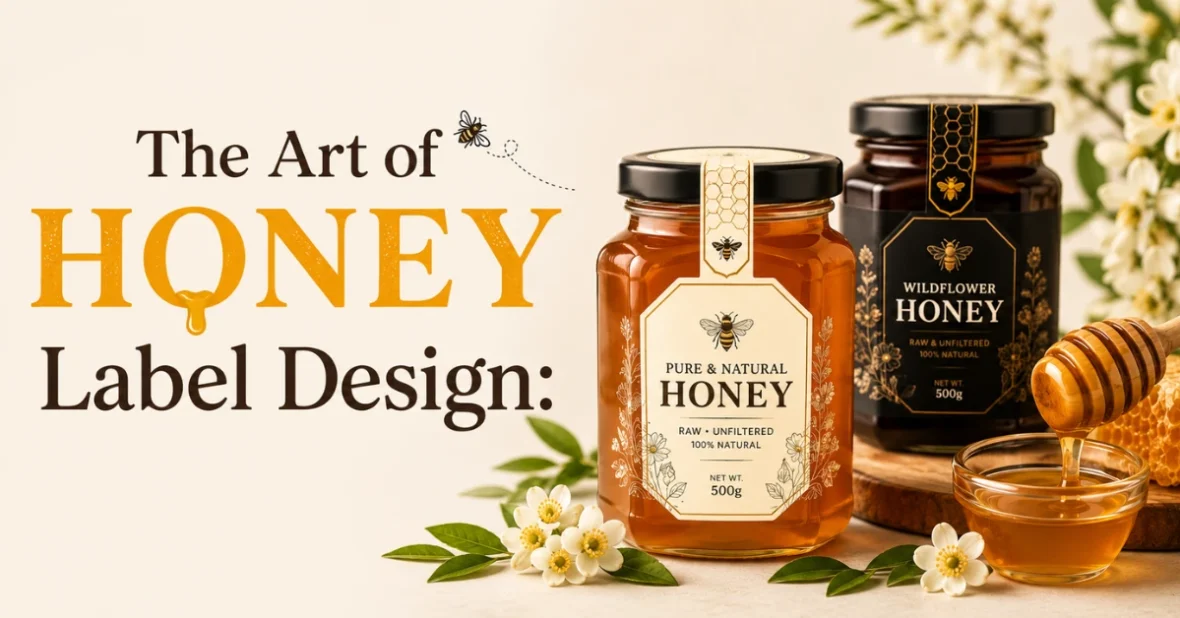
When people buy honey, they are not just purchasing a sweet product. They are often buying a story, a lifestyle, and a promise of quality. Whether it is raw honey from a local farm or premium organic honey sold in supermarkets, the first thing customers notice is usually the label. Before they taste the honey, they judge it by its packaging.
That is why honey label design has become such an important part of branding. A well-designed label can make a jar stand out on a crowded shelf, communicate trust, and create an emotional connection with customers. In many cases, the label is the deciding factor between one honey brand and another.
Today’s consumers are more informed than ever. They want to know where their honey comes from, how it is produced, and whether it aligns with their values. A thoughtful label helps answer those questions while creating a professional and attractive appearance. Simply put, great honey deserves luxury packaging design, and the label is where that journey begins.
Source: in.pinterest.com
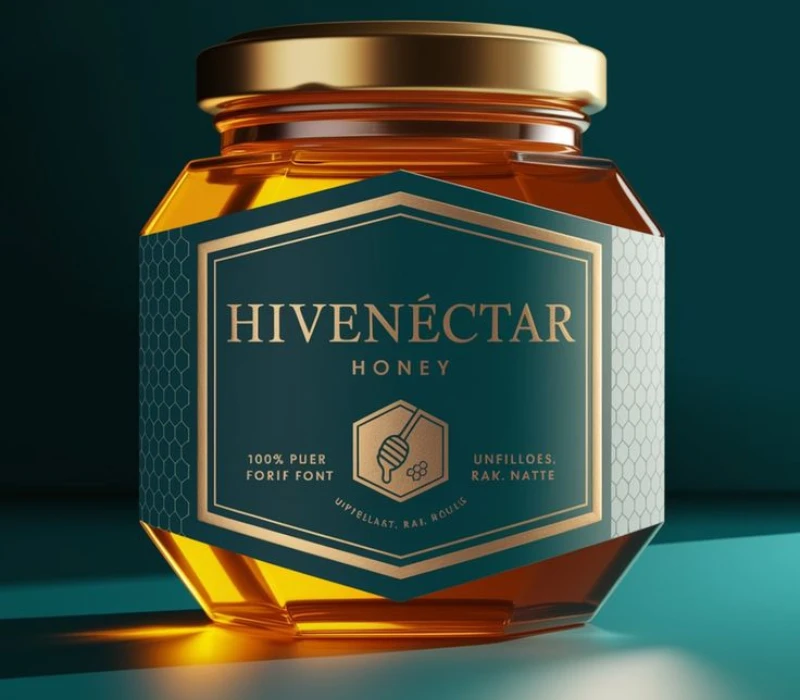
Source: in.pinterest.com
Authenticity Creates a Strong Connection
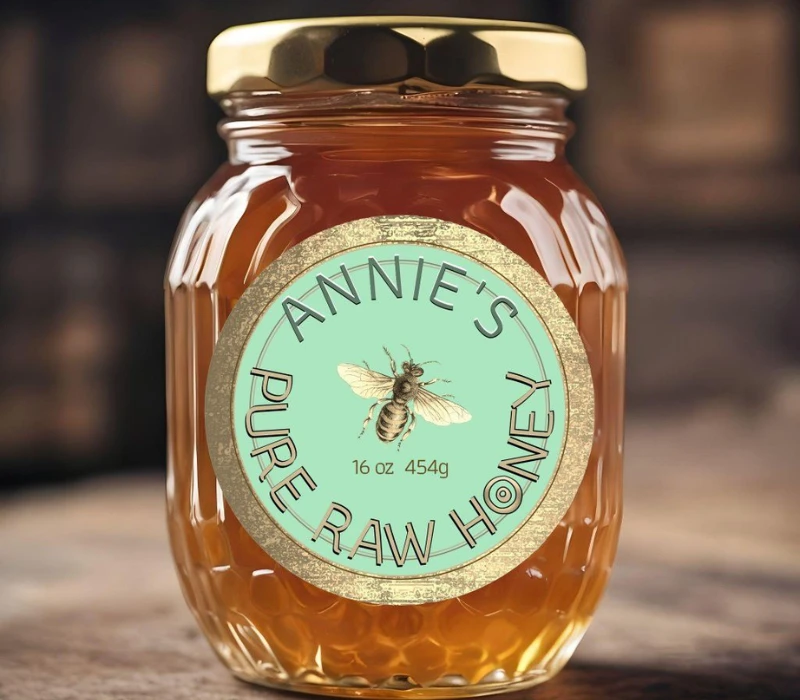
Source: in.pinterest.com
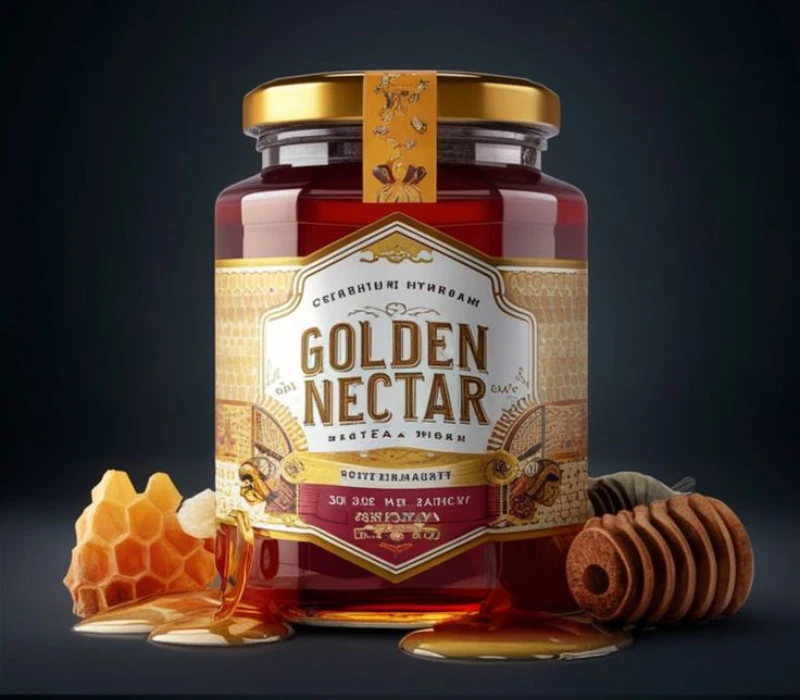
Source: in.pinterest.com
Consumers Want More Than Just Honey
Modern consumers are interested in the story behind the products they purchase. They want to know where the honey comes from, how it is produced, and what values the brand represents. A honey label provides the perfect opportunity to communicate these details in a way that feels genuine and engaging.
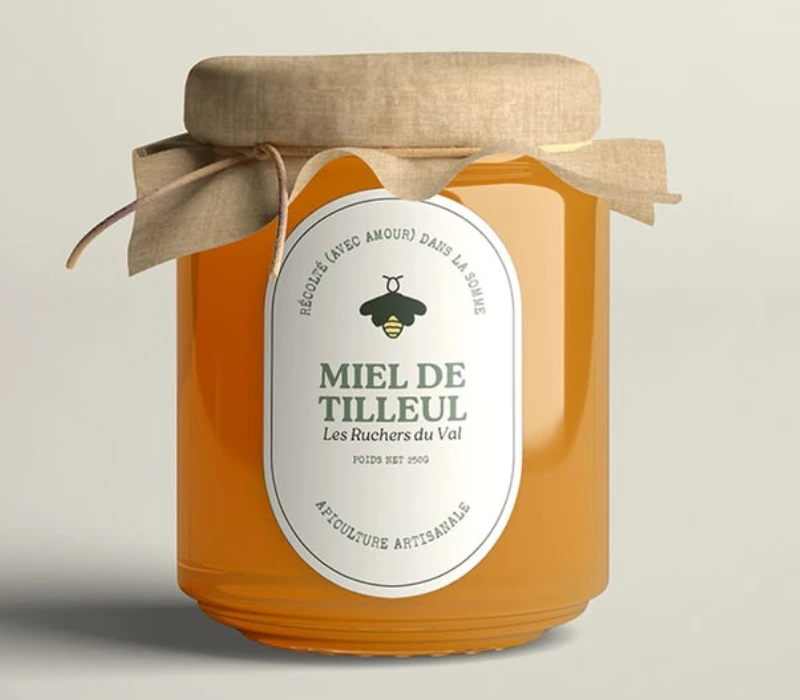
Customers are increasingly drawn to products that feel authentic. A label that reflects the true identity of a honey brand helps establish trust and credibility. Whether the honey comes from a small family-owned farm, a local beekeeper, or a sustainable apiary, highlighting these details creates a stronger connection with buyers.
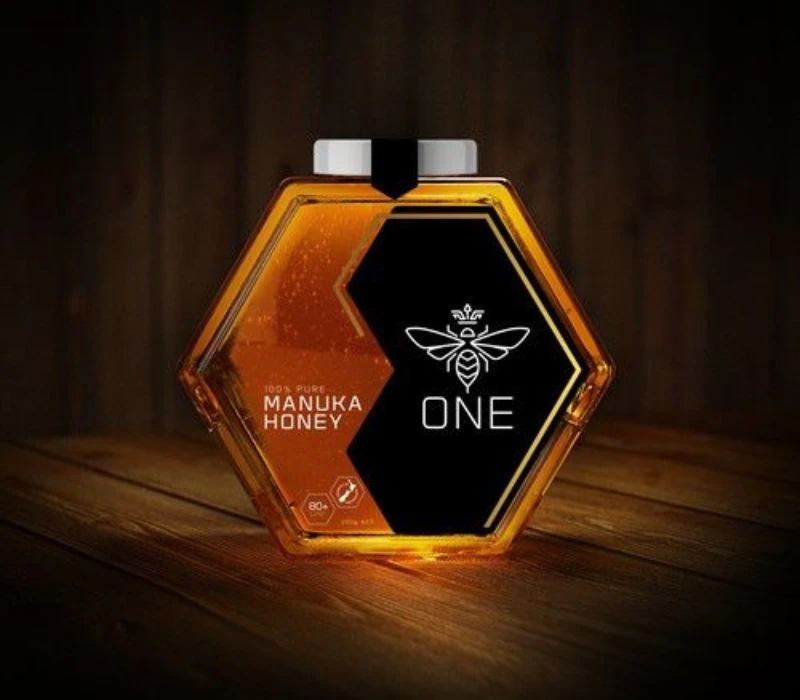
Source: in.pinterest.com
Source: in.pinterest.com
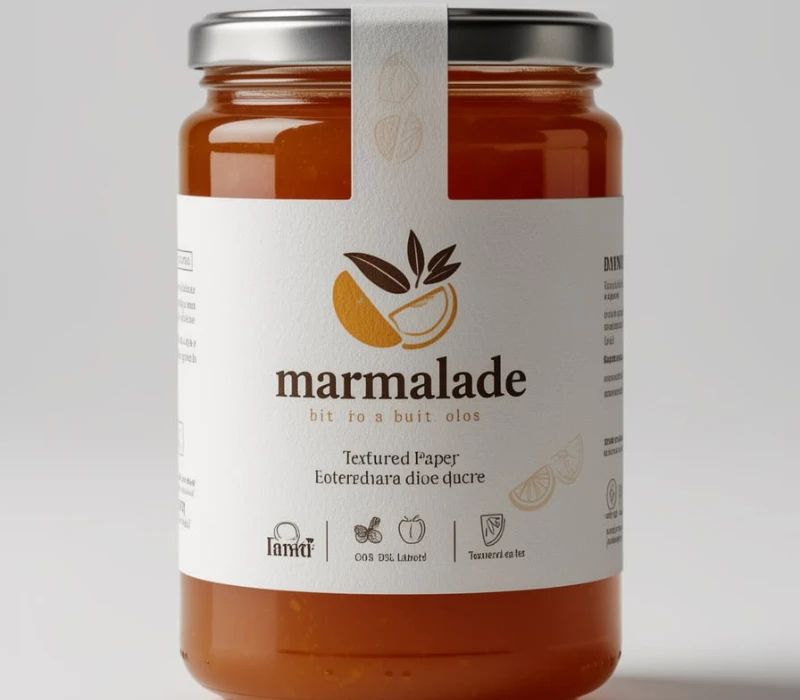
Transparency Builds Trust
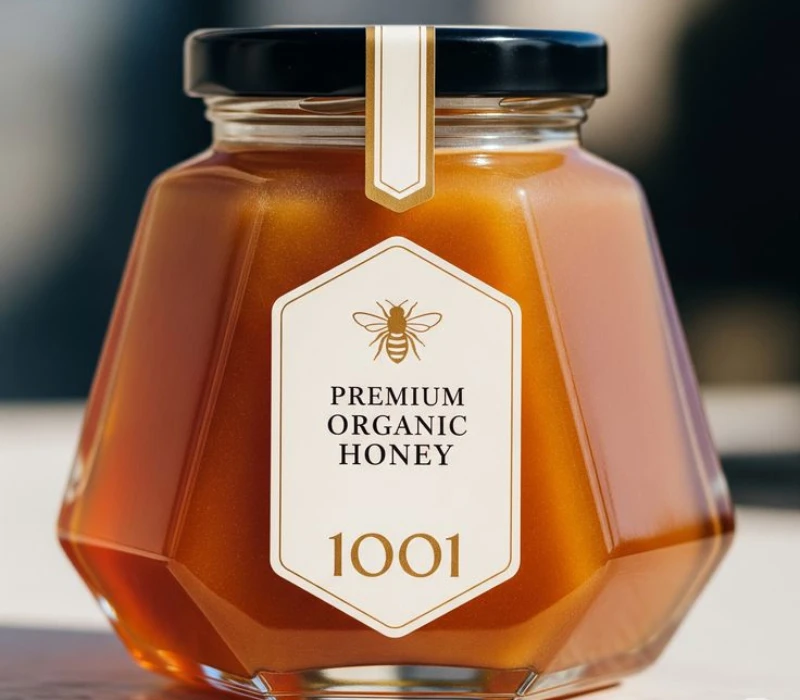
Trust is one of the most important factors influencing purchasing decisions. A clear and honest label helps reassure customers that they are purchasing a high-quality product. Information about sourcing, production methods, and ingredients can contribute to a sense of transparency that modern consumers value.
When customers trust a brand, they are more likely to become repeat buyers. A label that communicates honesty and authenticity not only encourages initial purchases but also supports long-term customer loyalty.
Source: in.pinterest.com
Source: in.pinterest.com
Unique Design Helps Differentiate Your Brand
Source: in.pinterest.com
Source: in.pinterest.com
Standing Out in a Crowded Market
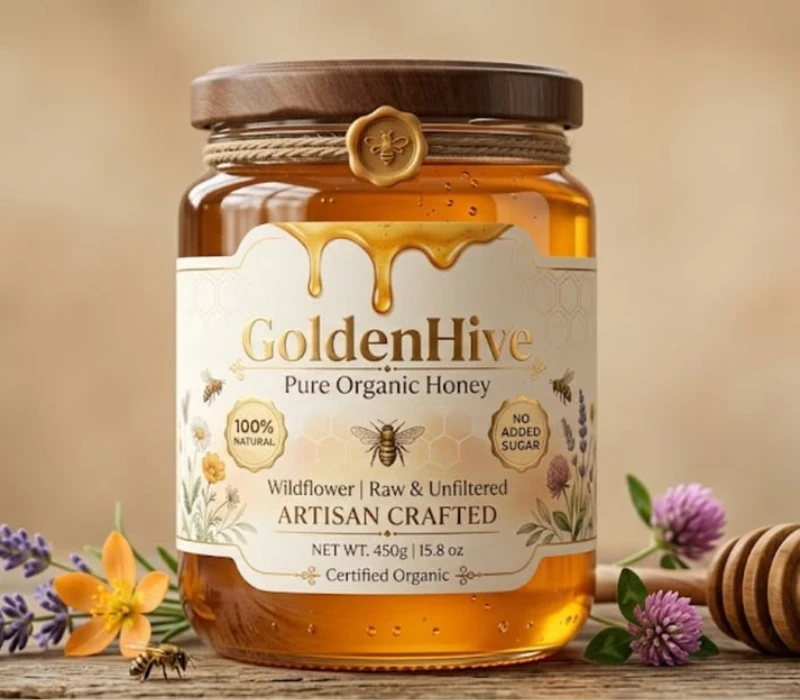
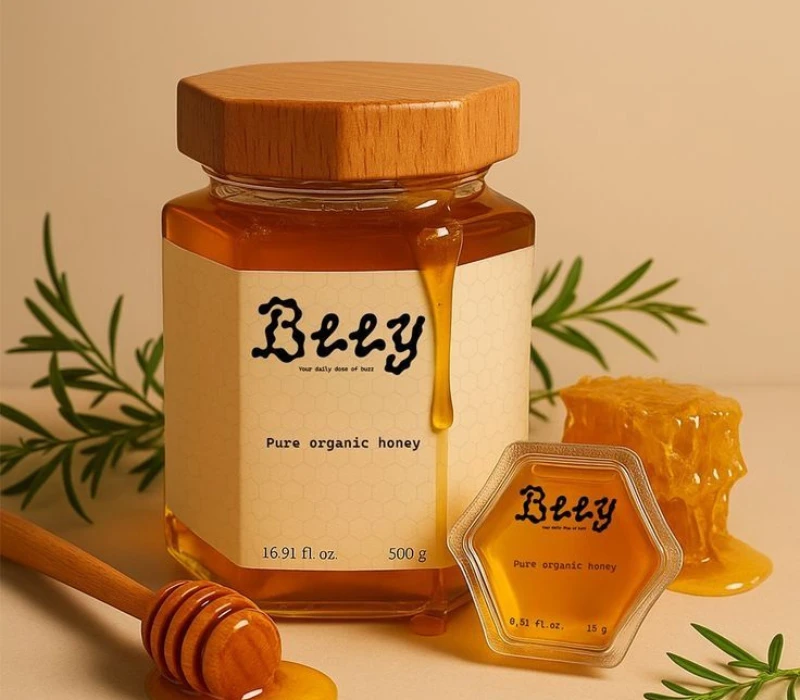
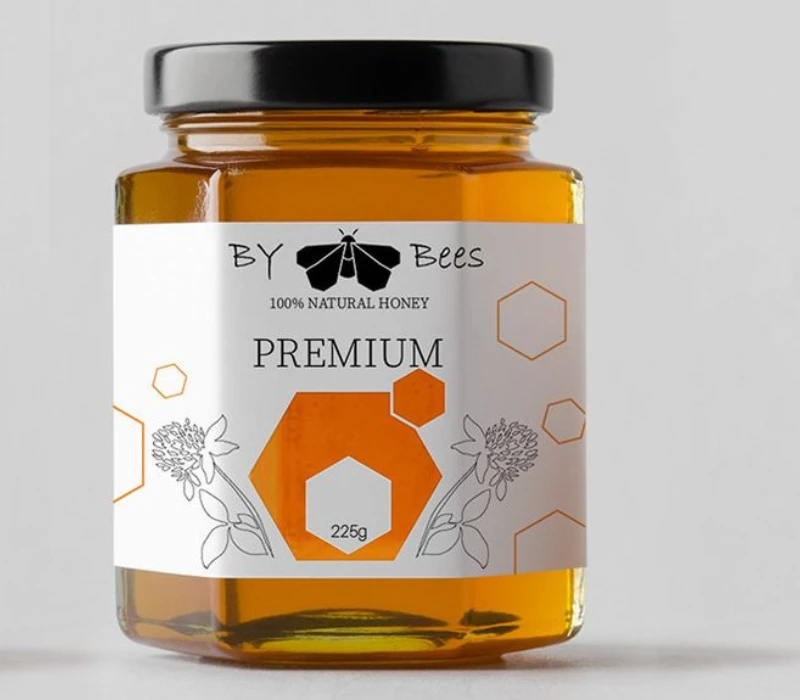
The honey industry has become increasingly competitive over the years. With numerous brands offering similar products, creating a distinctive visual identity is essential. A unique honey label helps capture attention and encourages customers to take a closer look.
Many purchasing decisions happen within seconds. Customers often rely on visual cues when comparing products. A memorable label can instantly separate a brand from competitors and make it easier for customers to remember.
The most effective honey labels are those that reflect the personality of the brand while remaining visually appealing. They create recognition and help customers associate specific graphic design elements with the product.
Source: in.pinterest.com
Source: in.pinterest.com
Creating a Consistent Brand Identity
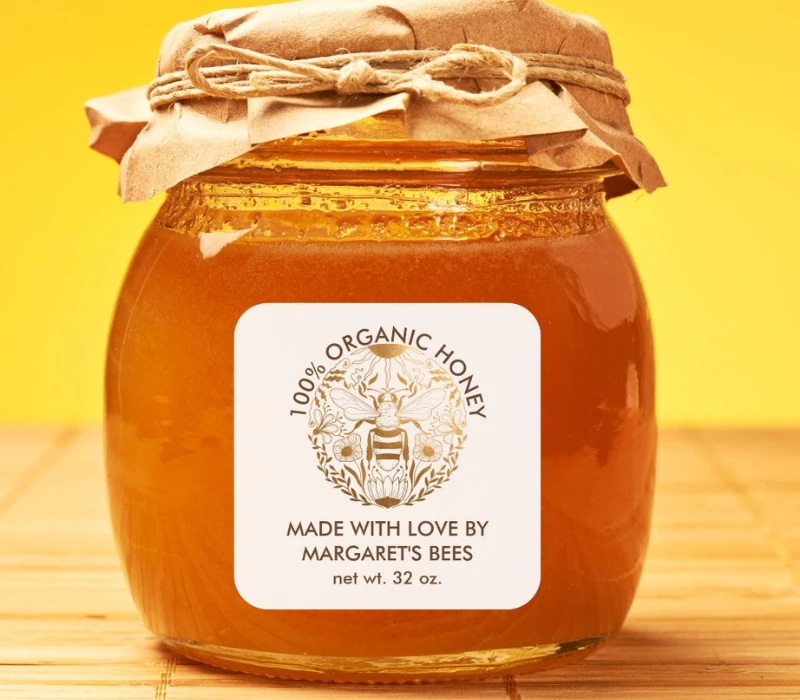
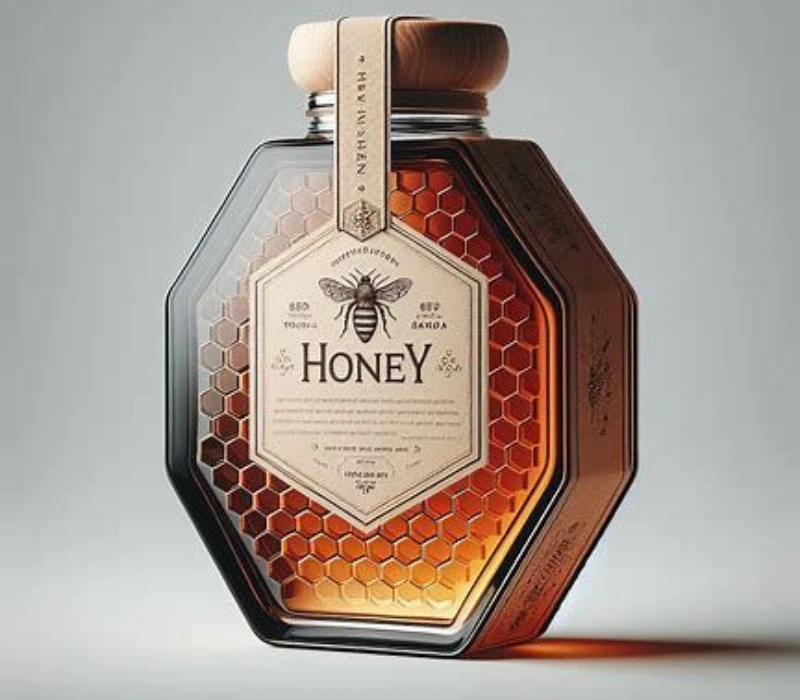
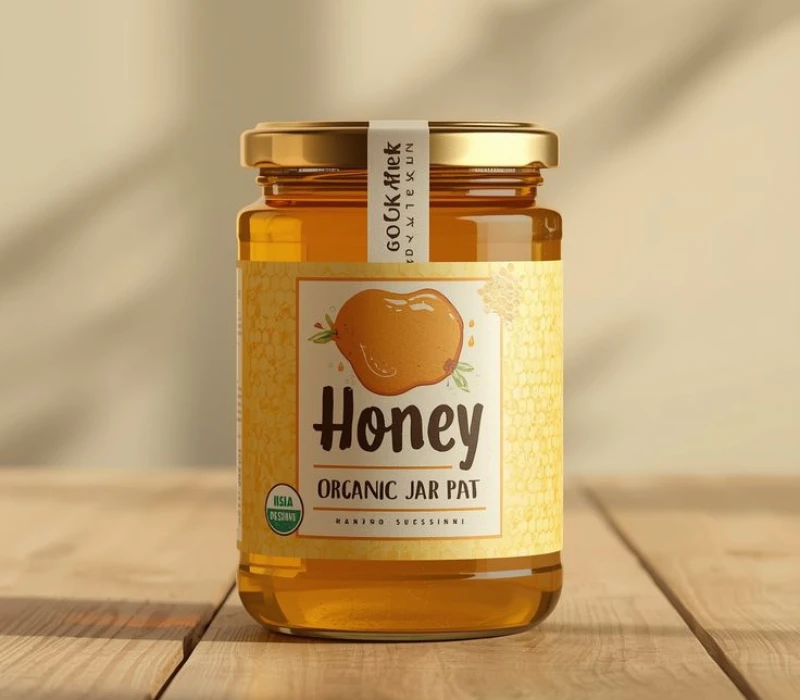
Consistency is a key component of successful branding. When the same design style, colors, and typography are used across packaging and marketing materials, customers begin to recognize the brand more easily.
A consistent visual identity helps strengthen brand awareness over time. Whether customers encounter the product in a store, on social media, or through an online advertisement, they should immediately recognize the brand. This familiarity contributes to trust and increases the likelihood of future purchases.
Source: in.pinterest.com
Source: in.pinterest.com
The Role of Color in Honey Label Design
Colors Influence Customer Perception
Color is one of the first elements people notice when viewing a product. Different colors create different emotional responses and can significantly influence how customers perceive a brand.
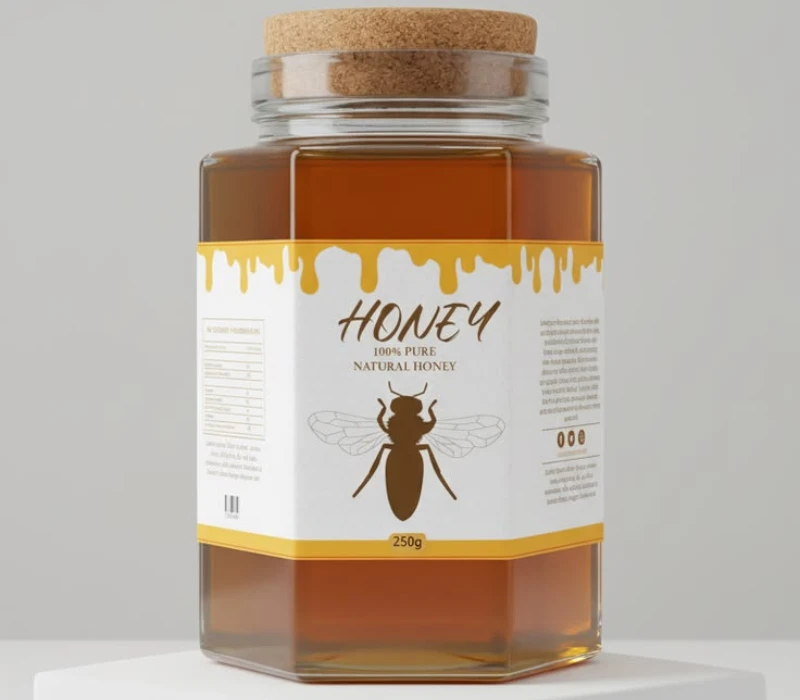
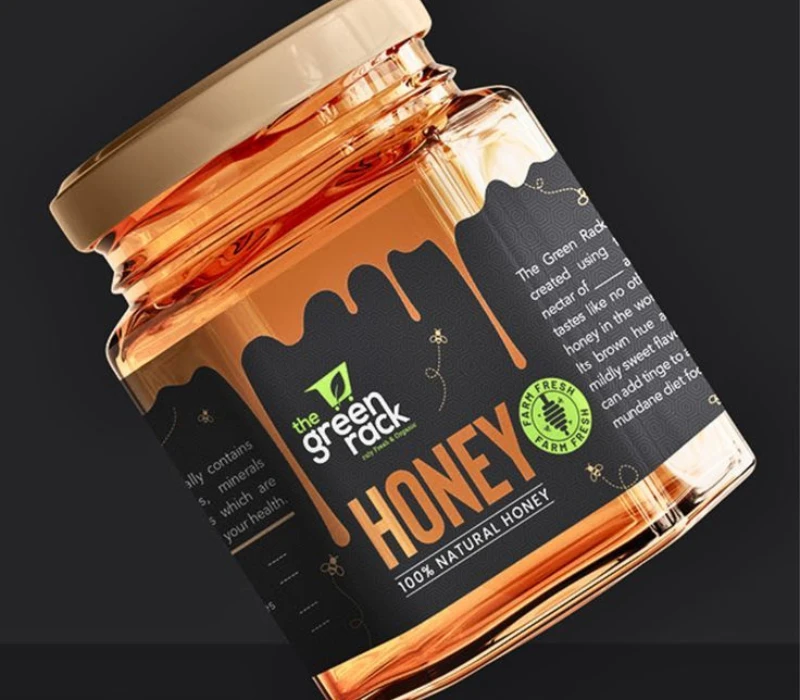
A premium label design often incorporate warm shades such as gold, amber, and yellow because these colors naturally connect with the product itself. They evoke feelings of sweetness, warmth, and natural goodness.
Earthy greens and browns are also commonly used to emphasize organic production and environmental responsibility. These colors create a sense of authenticity and reinforce the product’s connection to nature.
Source: in.pinterest.com
Source: in.pinterest.com
Building Recognition Through Color
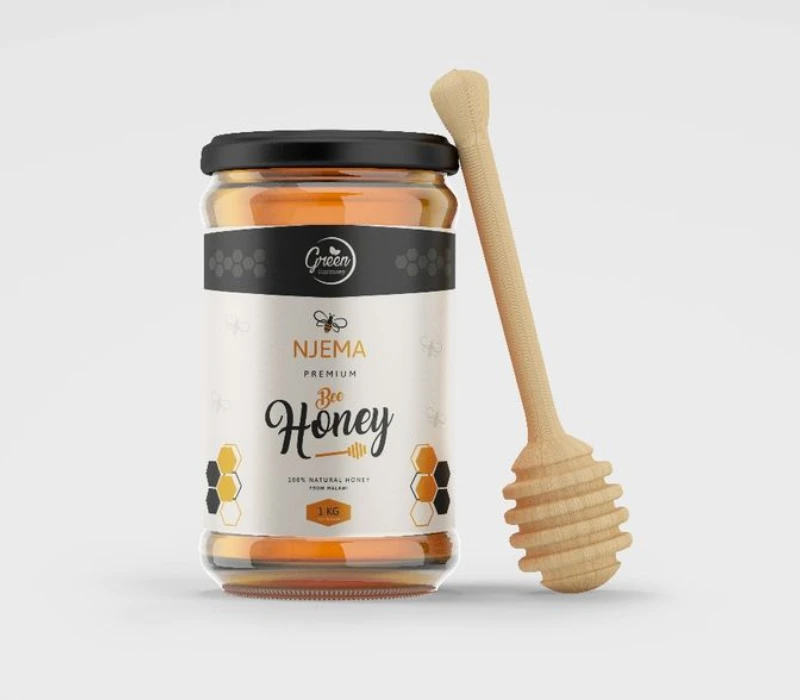
A carefully selected color palette can become an important part of a brand’s identity. Consistent use of color helps customers recognize products more quickly and strengthens brand recall.
Rather than using too many colors, successful honey labels typically focus on a few complementary shades to create a cohesive, professional appearance. Simplicity often has a greater impact than complexity in packaging design.
Source: in.pinterest.com
Source: in.pinterest.com
Typography That Enhances Brand Personality
Choosing Fonts That Match the Brand
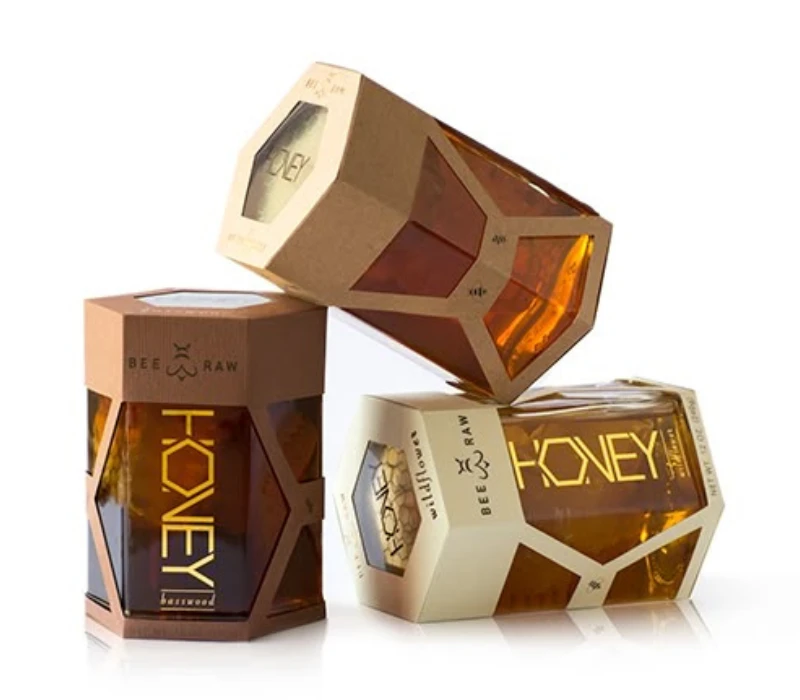
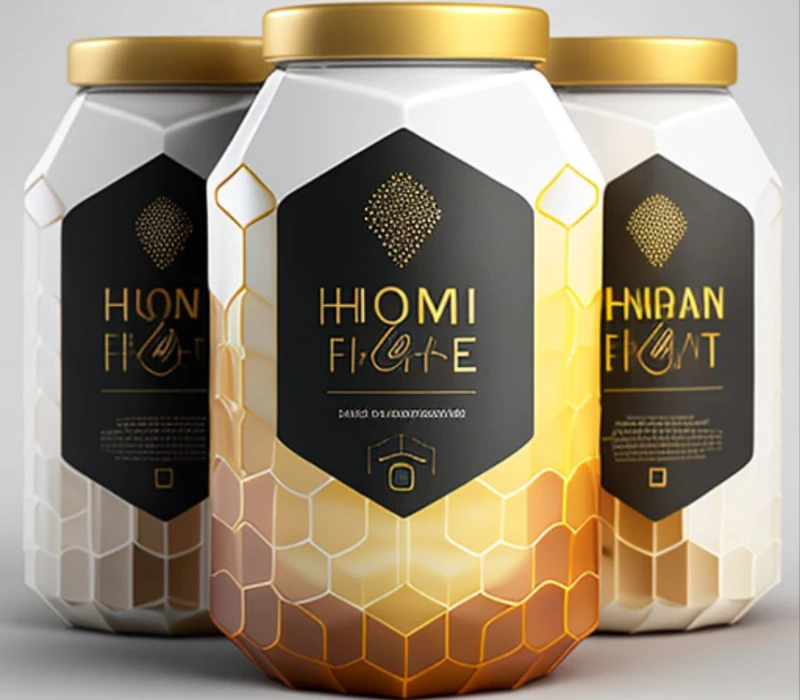
Typography plays a major role in shaping how a brand is perceived. Different font styles communicate different messages. Elegant script fonts may suggest craftsmanship and premium quality, while modern fonts can create a clean and contemporary appearance.
The choice of typography should align with the overall personality of the honey brand. Every design decision should contribute to a consistent visual story that customers can easily understand.
Source: in.pinterest.com
Source: in.pinterest.com
Maintaining Readability
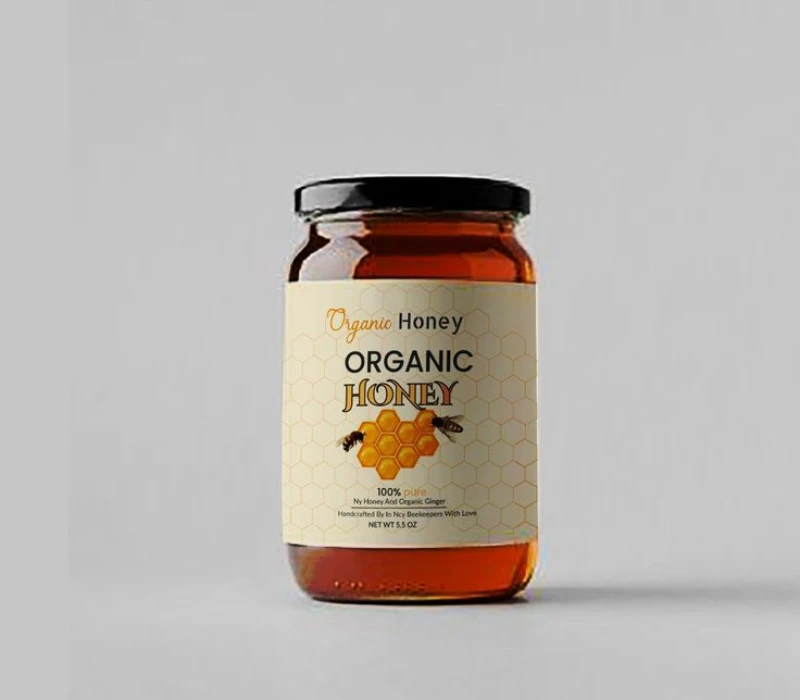
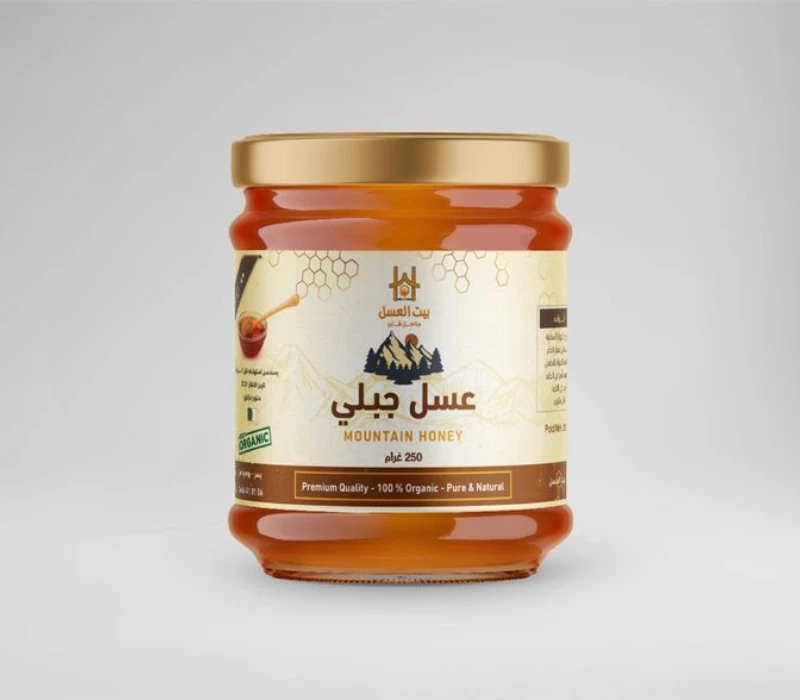
While decorative fonts can add character, readability should always remain a priority. Customers should be able to identify the product name and key information quickly without struggling to read the text.
A balance between creativity and functionality is essential. The most successful honey labels use typography that enhances the design while ensuring important details remain clear and accessible.
Source: in.pinterest.com
Source: in.pinterest.com
Creating an Emotional Experience Through Packaging
The Power of Visual Storytelling
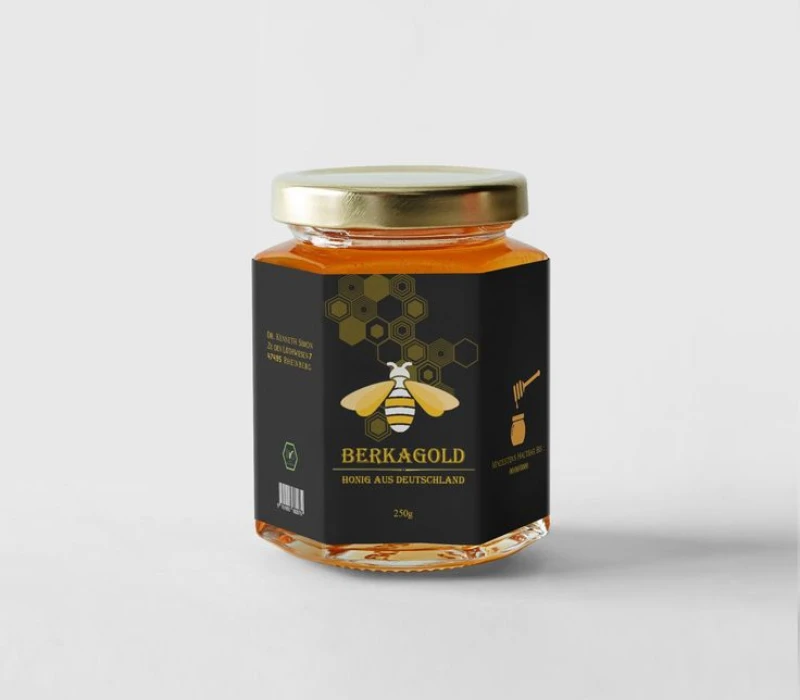
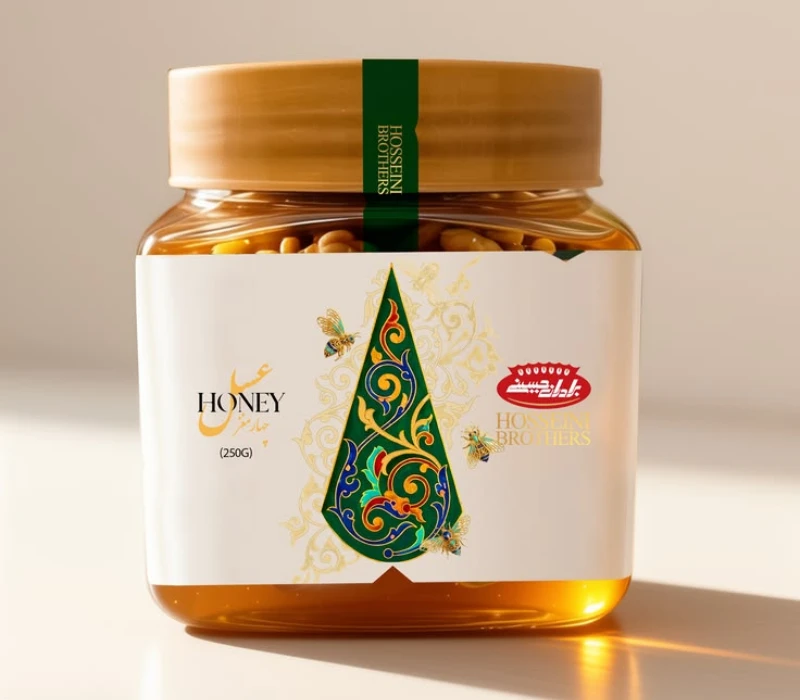
People naturally connect with stories. A honey label that tells a story can transform a simple product into a memorable experience. Visual storytelling allows brands to communicate their values, heritage, and mission through design.
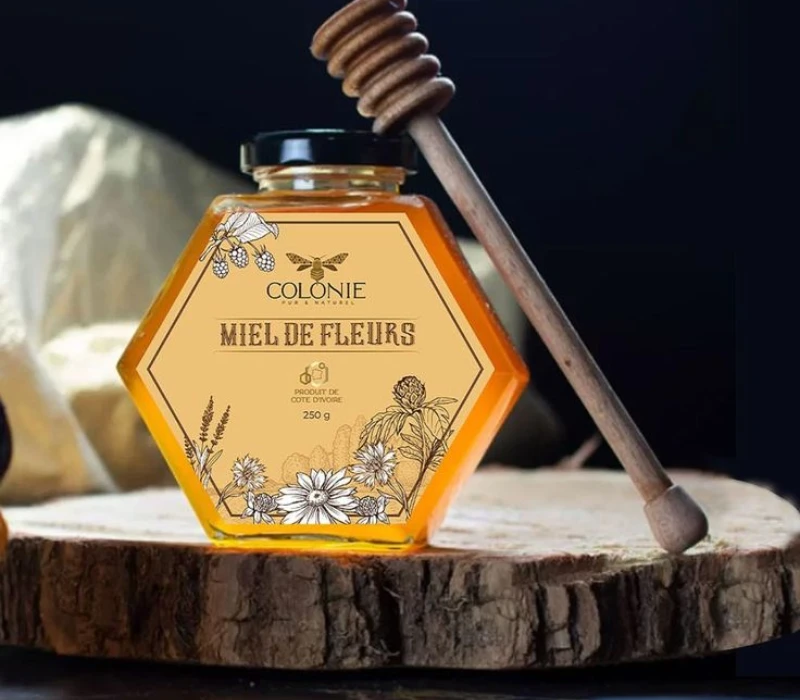
Illustrations of bees, flowers, honeycombs, and natural landscapes can help customers understand the origin and character of the honey. These visual elements create context and make the product feel more personal.
A compelling story can make a product stand out even in a crowded marketplace. Customers often remember how a product made them feel more than the specific details they read.
Source: in.pinterest.com
Source: in.pinterest.com
Emotional Connections Drive Loyalty
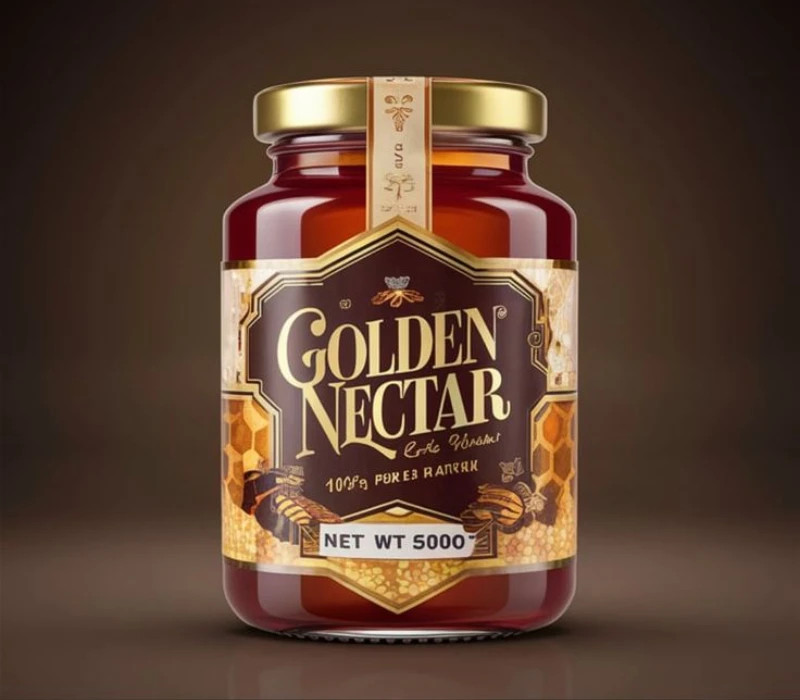
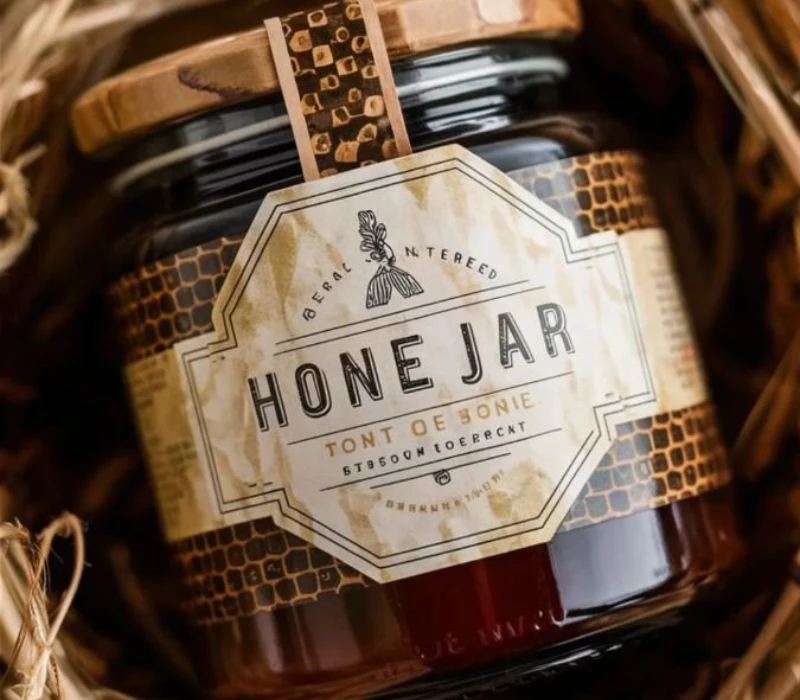
Purchasing decisions are frequently influenced by emotions. When a honey label creates positive feelings, customers are more likely to choose that product over competing options.
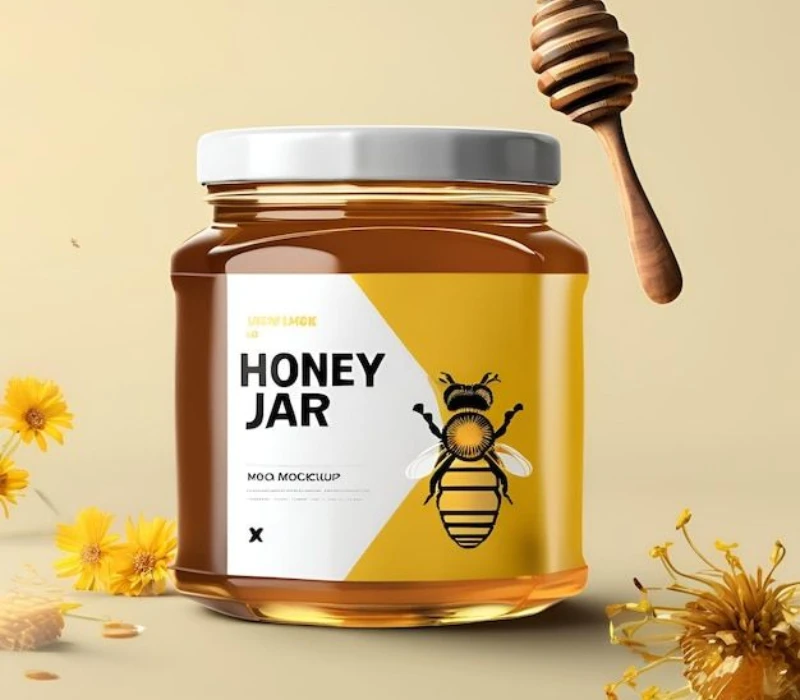
A label that evokes warmth, tradition, craftsmanship, or sustainability can create a stronger emotional connection. These emotions contribute to customer loyalty and encourage repeat purchases.
Brands that successfully establish emotional connections often enjoy stronger relationships with their customers because they represent more than just a product.
Source: in.pinterest.com
Source: in.pinterest.com
Balancing Beauty and Functionality
Attractive Design Must Serve a Purpose
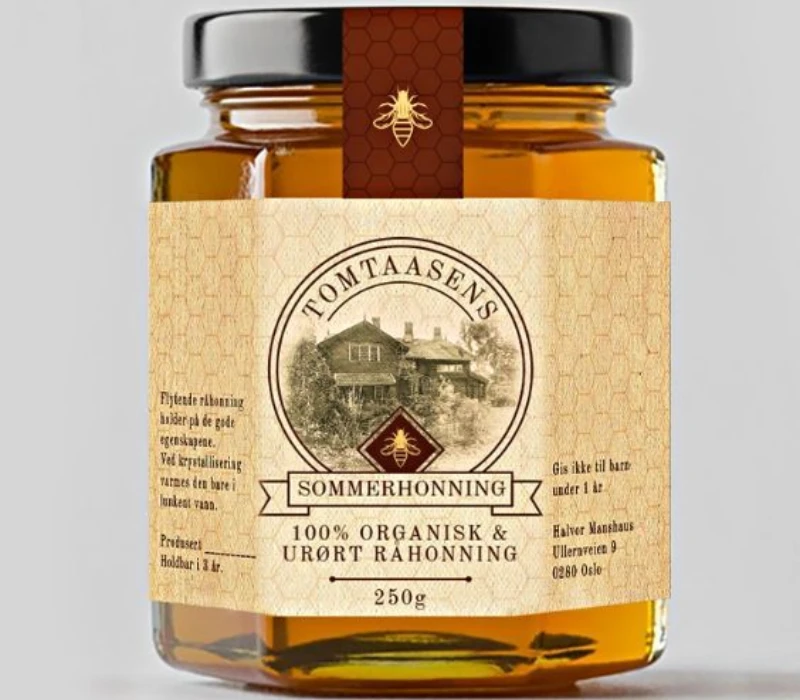
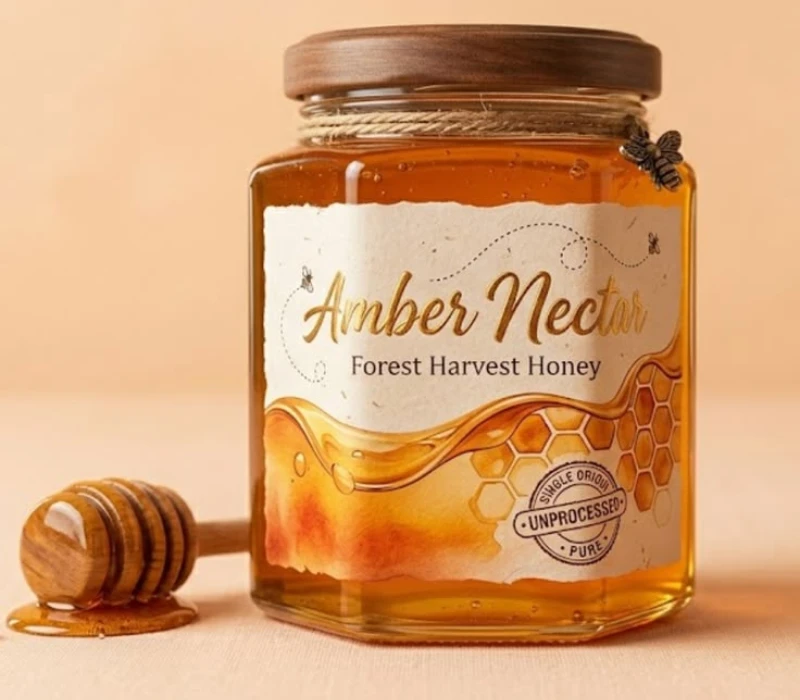
A visually appealing label is important, but functionality should never be overlooked. Customers expect packaging to provide information in a clear and organized manner.
The best honey labels combine aesthetics with practicality. Product names, honey varieties, weight information, and other important details should be easy to locate and understand.
An organized layout creates a positive user experience and reinforces the perception of quality.
Source: in.pinterest.com
Source: in.pinterest.com
Simplicity Often Creates Greater Impact
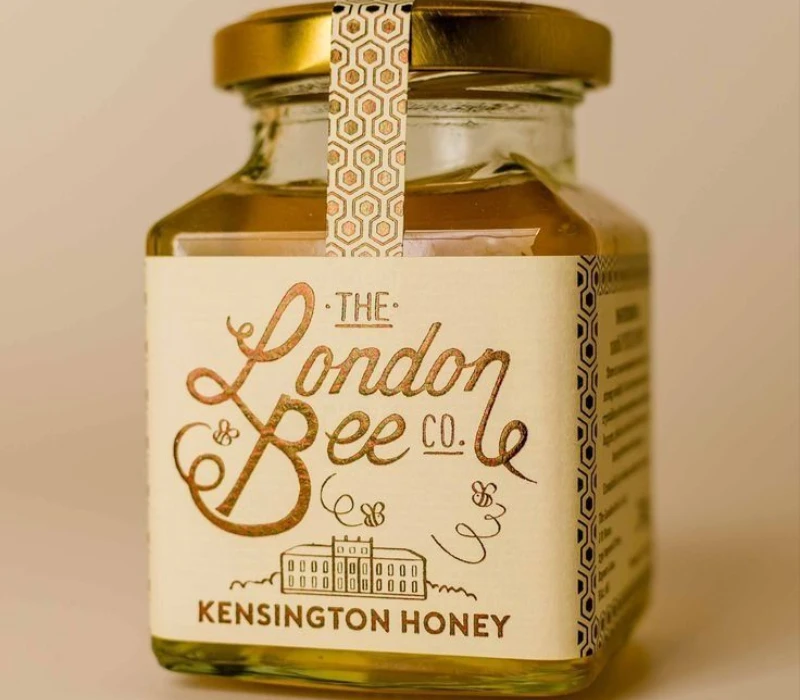
One common misconception is that more design elements automatically create a better label. In reality, simplicity often produces stronger results. A clean layout with thoughtful spacing allows important information to stand out and prevents the design from feeling cluttered.
Minimalist designs have become increasingly popular because they communicate confidence and sophistication. By focusing on essential elements, brands can create packaging that feels modern, professional, and memorable.
Source: in.pinterest.com
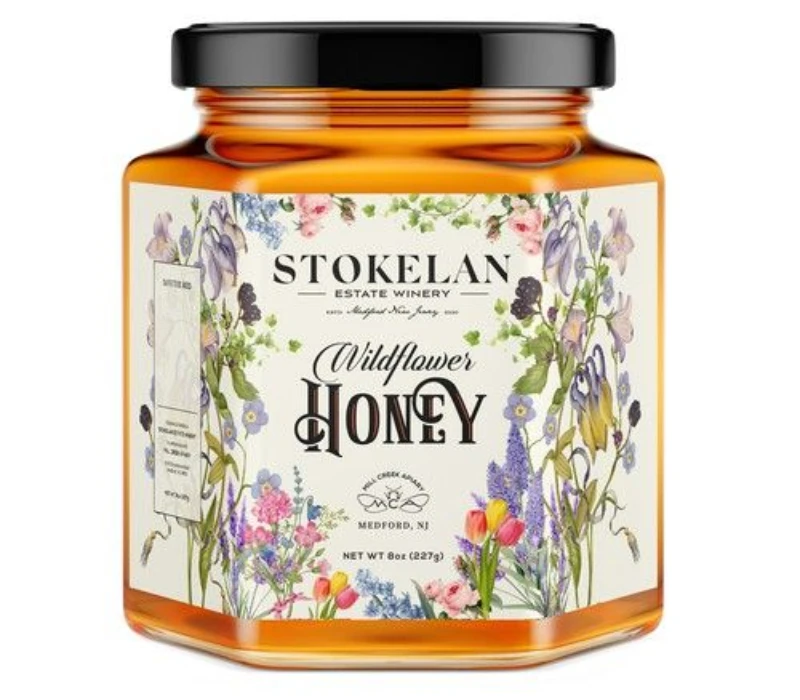
Source: in.pinterest.com
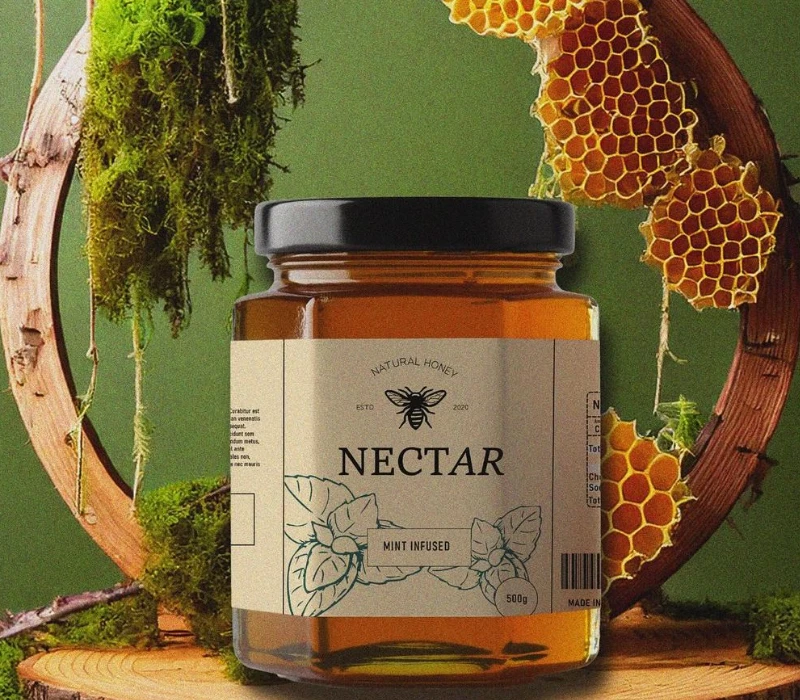
Source: in.pinterest.com
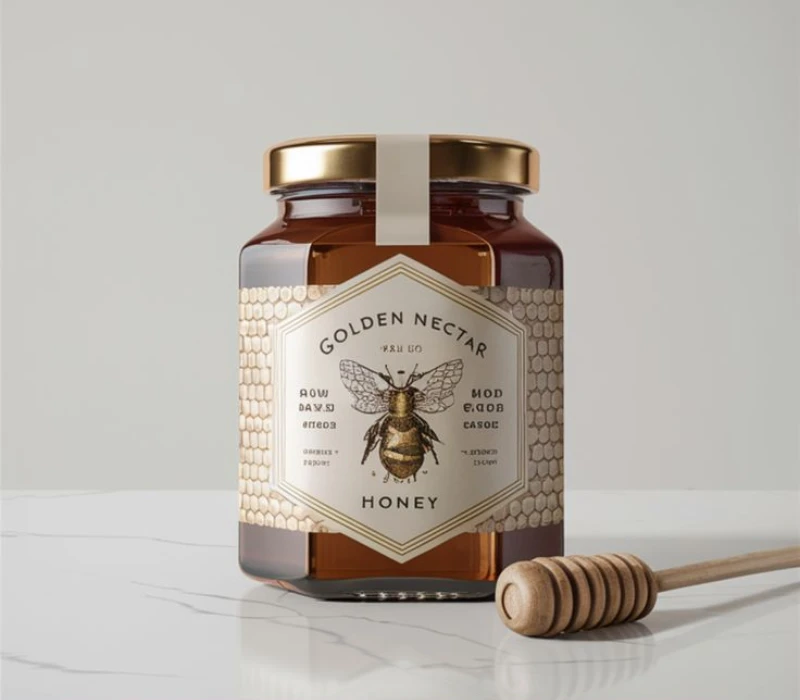
Source: in.pinterest.com
Conclusion
A honey label is far more than a decorative addition to a jar. It is a powerful branding tool that influences customer perception, communicates quality, and helps establish trust. In a competitive marketplace, a thoughtfully designed label can make the difference between being noticed and being overlooked.
The most successful honey labels combine authenticity, strong visual identity, effective storytelling, and practical functionality. They create emotional connections while clearly communicating the product’s value. From color selection and typography to imagery and brand messaging, every design element contributes to the overall customer experience.
Ultimately, a great honey label does more than attract attention. It tells a story, reflects the values of the brand, and creates a lasting impression that encourages customers to return again and again. When design and authenticity work together, a honey label becomes an essential part of building a memorable and successful honey brand.