Consumers are becoming more aware of ingredients, ethical sourcing, sustainability, and environmental impact, and the beauty industry is changing. You can see this shift happening in vegan beauty products, which provide options free of any animal-derived ingredients.
But the formula is only half of what the consumer sees.
Those values should be reflected in vegan beauty packaging as well. Simple materials, colors, typography, and product information can communicate a brand’s ethical stance. Good packaging design builds trust, stands out on the shelf, and speaks to conscious beauty consumers.
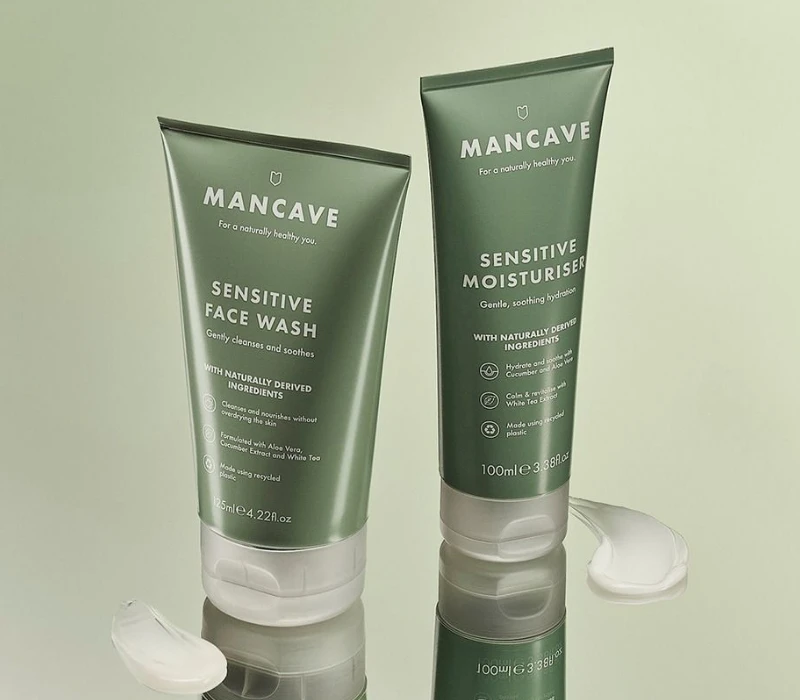
Source: in.pinterest.com
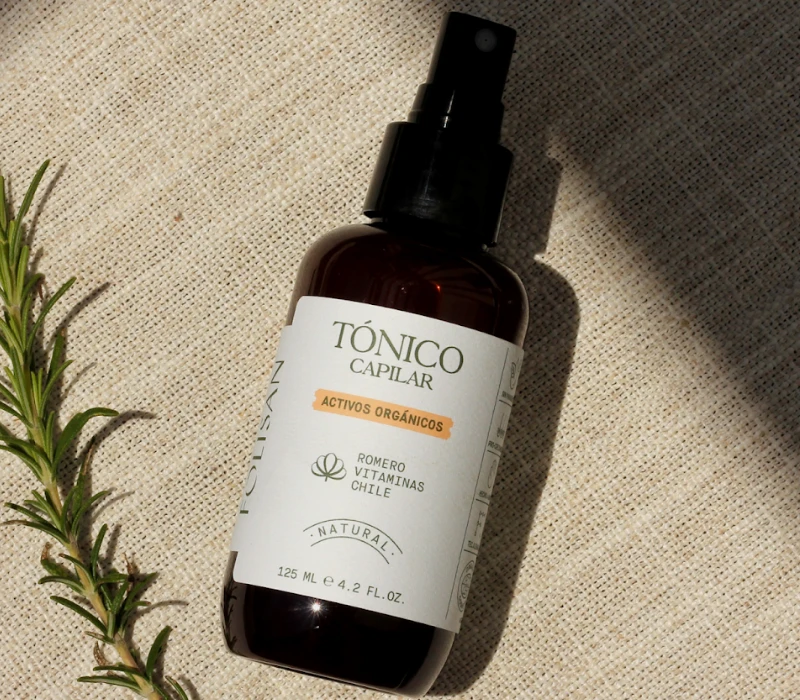
Source: in.pinterest.com
Understanding Vegan Beauty Products Design
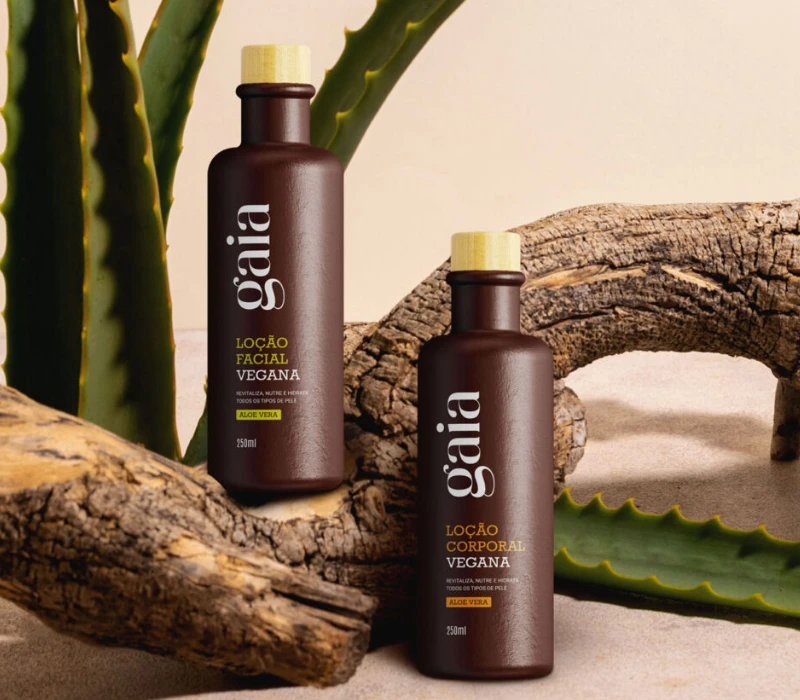
Source: in.pinterest.com
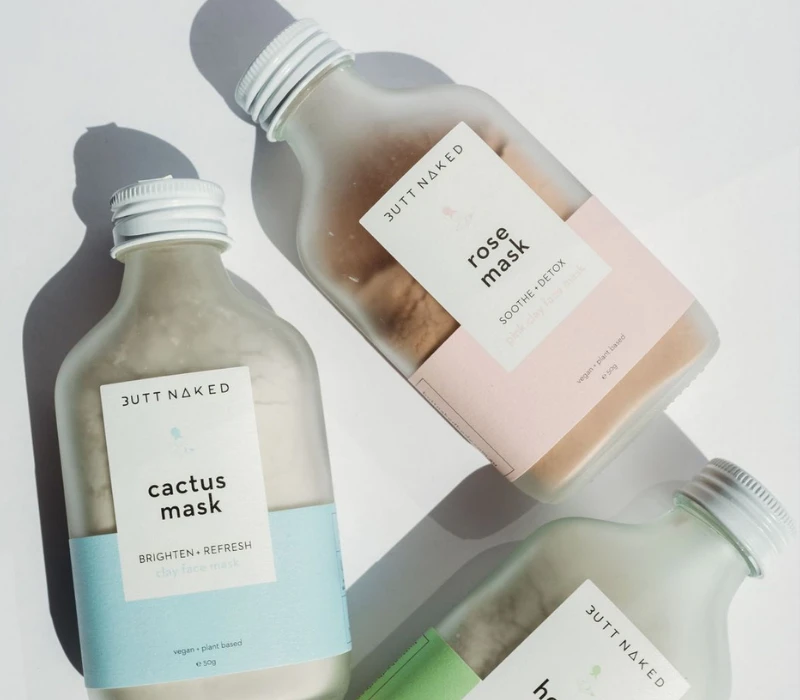
Source: in.pinterest.com
What Makes a Beauty Product Vegan?
Vegan beauty products contain no animal-derived ingredients or animal by-products. Depending on the formulation, ingredients such as beeswax, lanolin, collagen, carmine, and certain types of keratin can be replaced with plant-based or synthetic alternatives.
It’s also important to distinguish between vegan and cruelty-free. The products can be vegan but not labeled as cruelty-free, and the products can be cruelty-free but contain animal-derived ingredients. Packaging must accurately communicate these differences so that consumers know exactly what the brand stands for
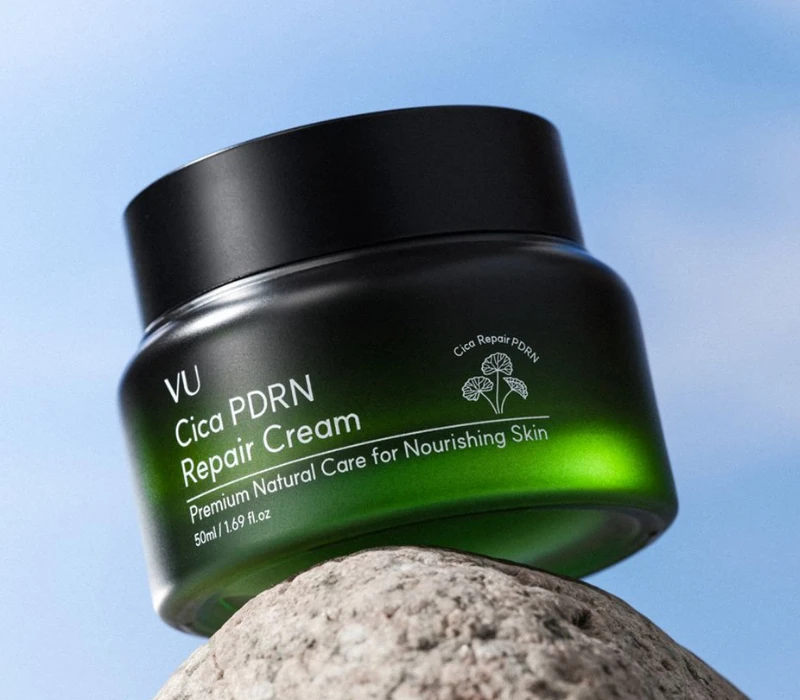
Source: in.pinterest.com
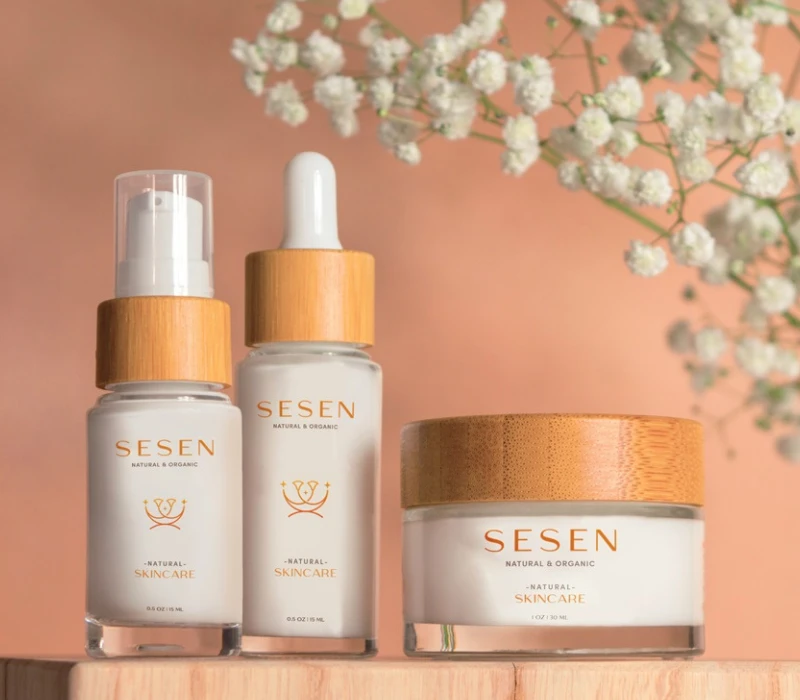
Source: in.pinterest.com
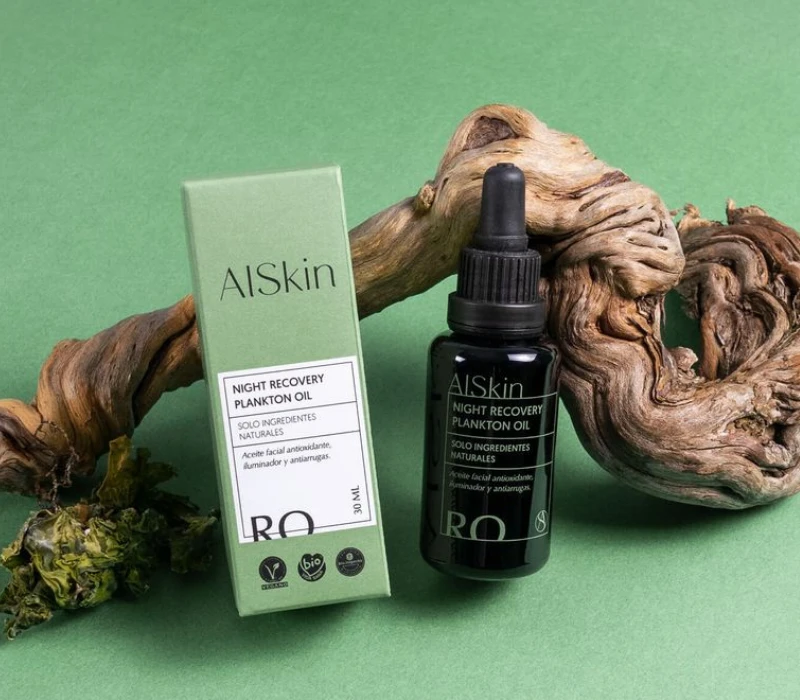
Source: in.pinterest.com
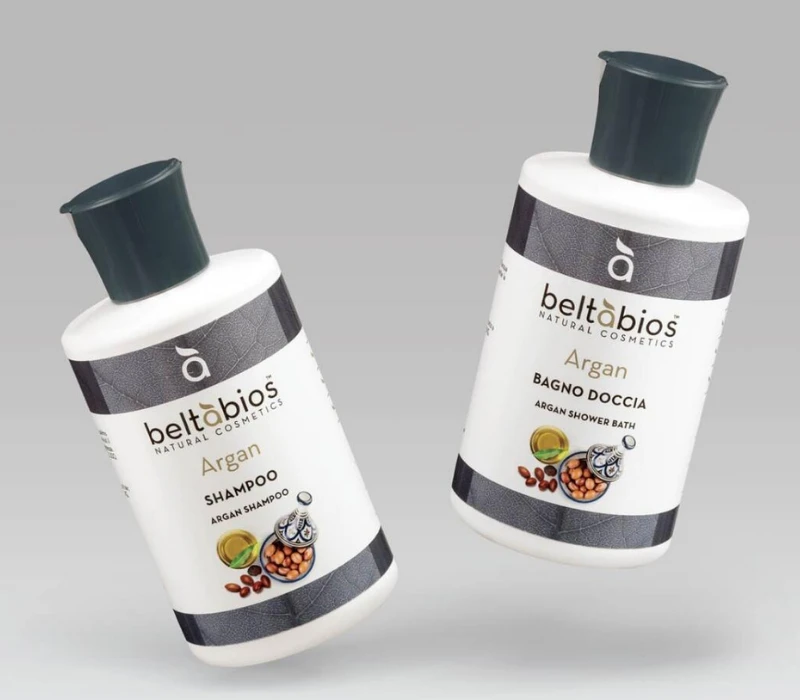
Source: in.pinterest.com
Why Packaging Matters for Conscious Beauty Brands
Packaging is often the first physical interaction a consumer has with a beauty brand. The packaging already sends signals about quality, positioning, and values before anyone even reads the entire ingredient list or experiences the product.
For conscious beauty brands, packaging can reinforce an ethical commitment through appropriate materials, clear information, and considered graphic design. If the packaging does not align with the brand’s sustainability or vegan claims, consumers may question the truth of these claims.
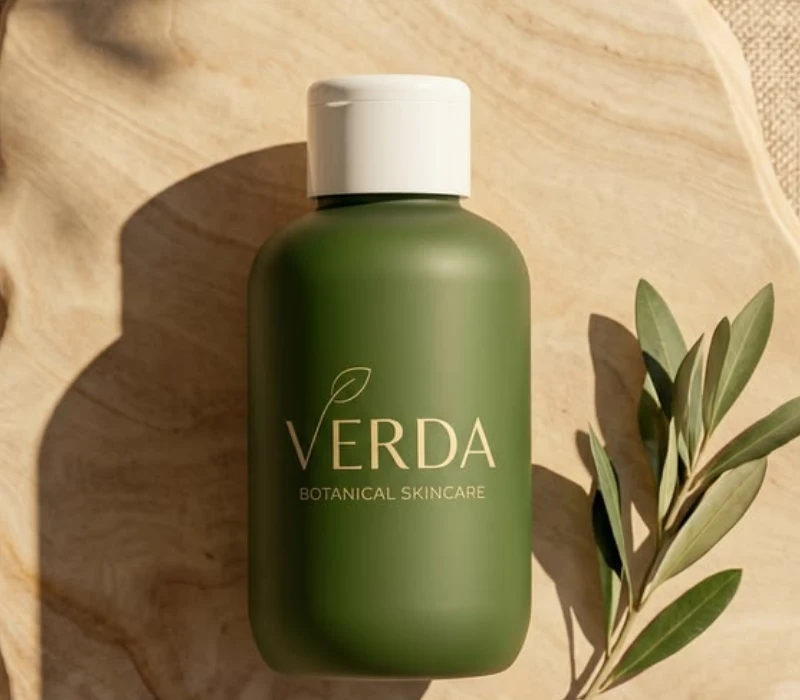
Source: in.pinterest.com
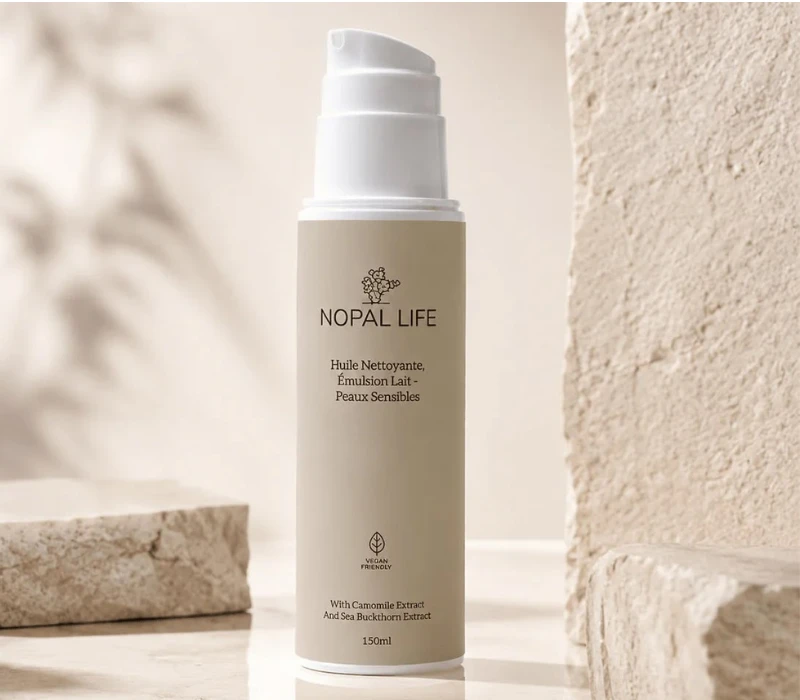
Source: in.pinterest.com
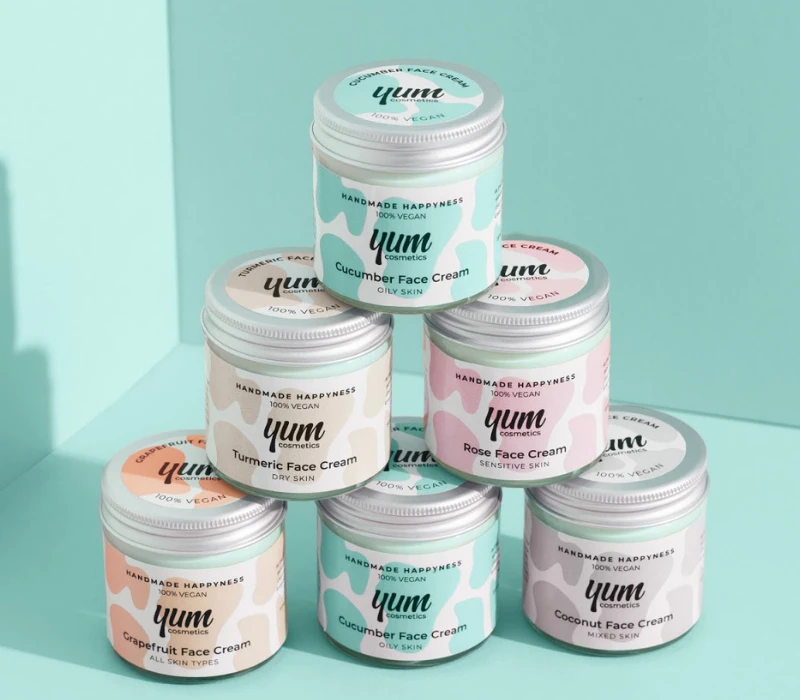
Source: in.pinterest.com
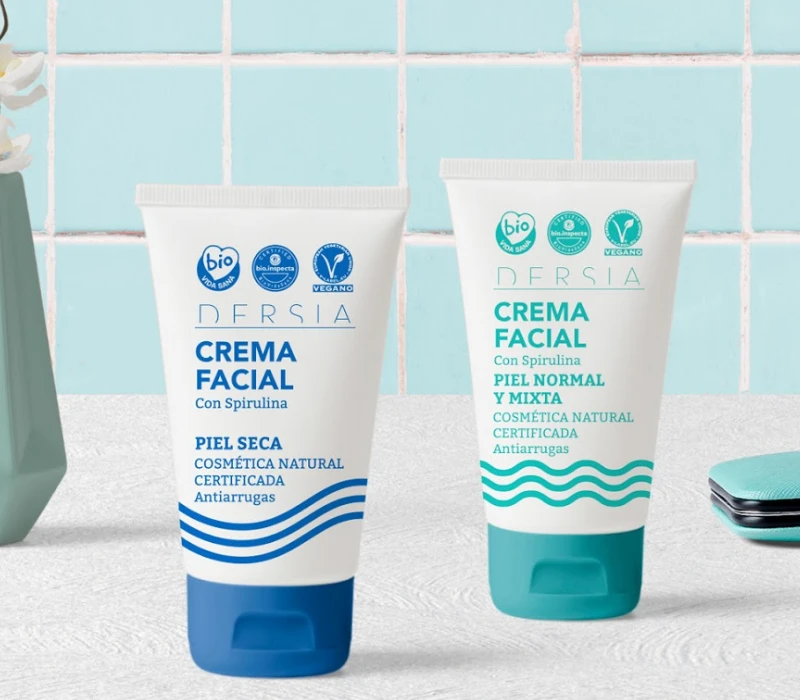
Source: in.pinterest.com
Key Elements of Vegan Beauty Packaging Design
Source: in.pinterest.com
Source: in.pinterest.com
Colours, Typography, and Visual Identity
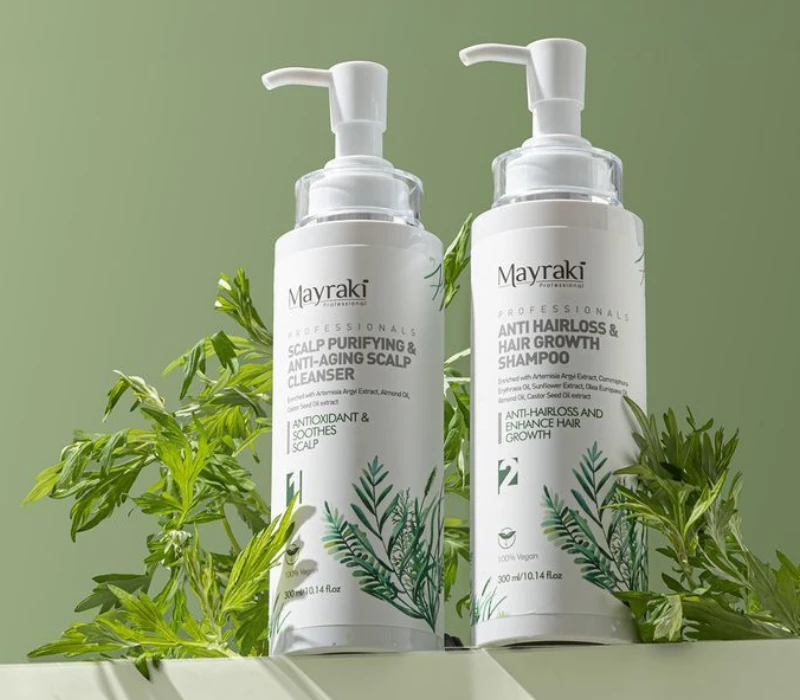
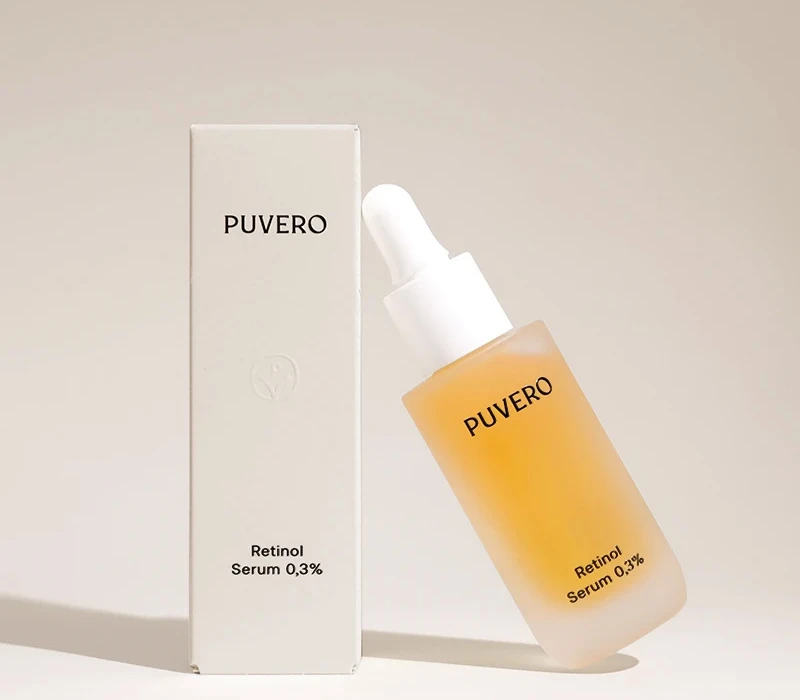
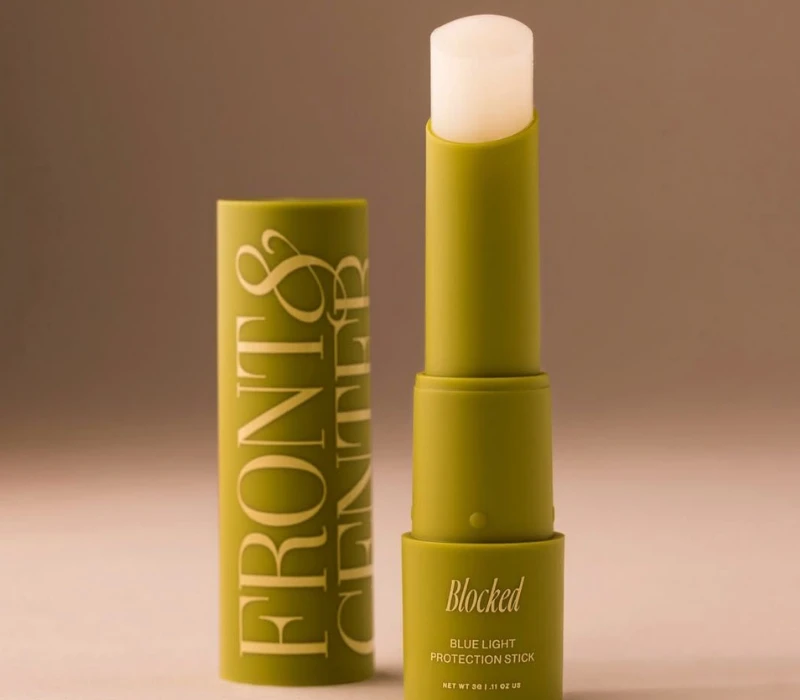
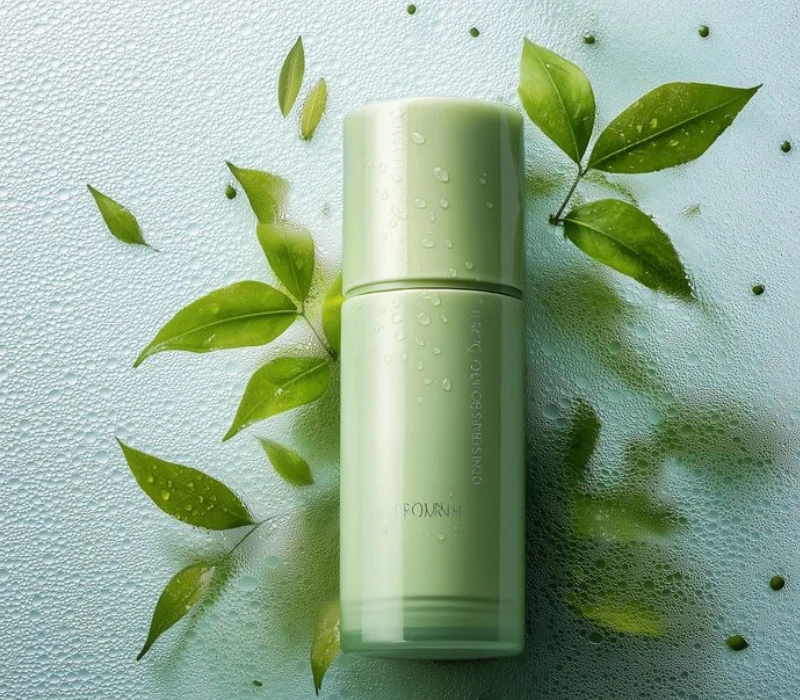
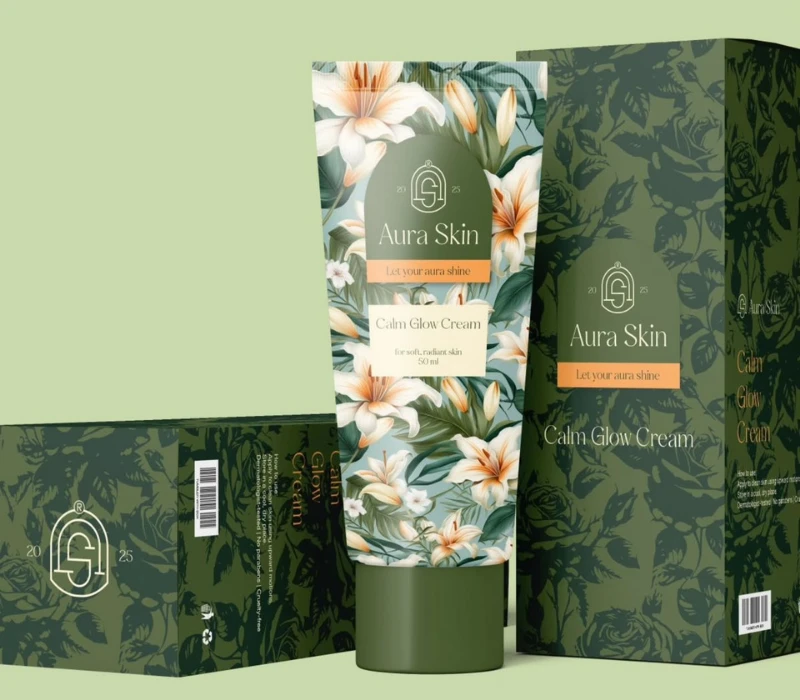
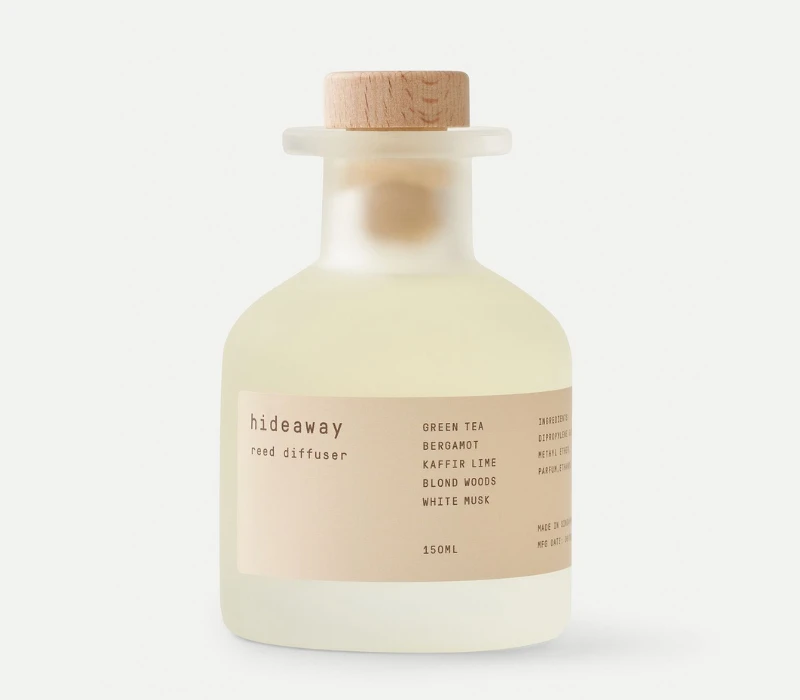
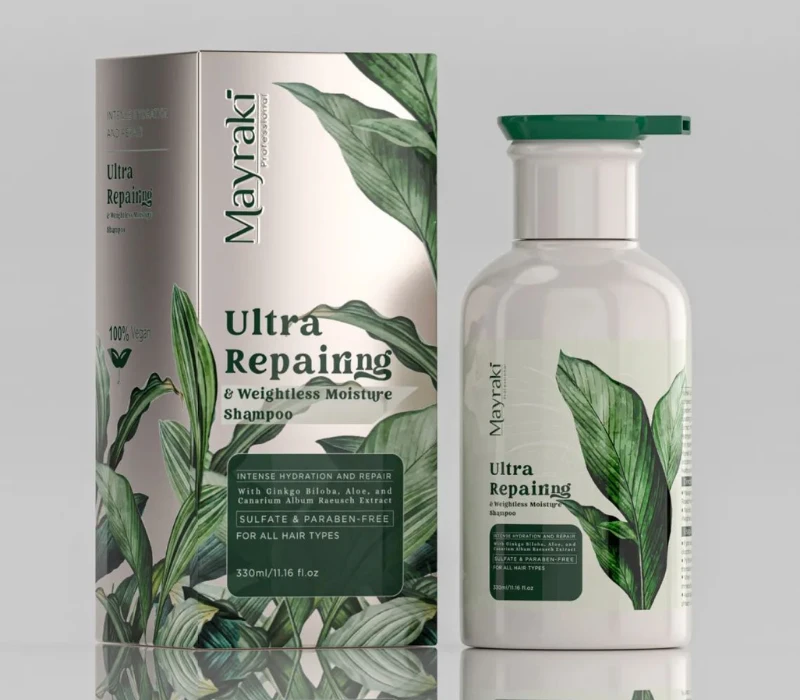
Vegan beauty packaging doesn’t have to be leaves, green colors, and botanical illustrations. These elements can convey natural placement, but too much of a good thing can lead brands to look the same.
More unique vegan beauty packaging design can incorporate earthy neutrals, muted tones, clean monochromatic palettes, or curated bright colors. Typography also impacts perception. Clean sans serif fonts can give a modern feel, while more sophisticated serif typography can help bolster a more premium identity. The objective is to build a visual system that talks to the brand, not the category.
Source: in.pinterest.com
Source: in.pinterest.com
Source: in.pinterest.com
Source: in.pinterest.com
Clear Vegan and Cruelty-Free Communication
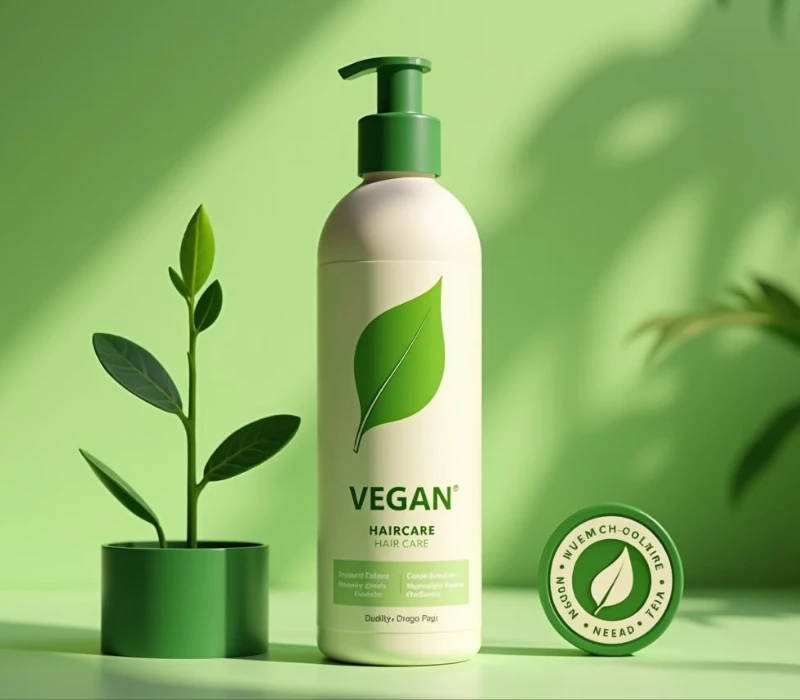
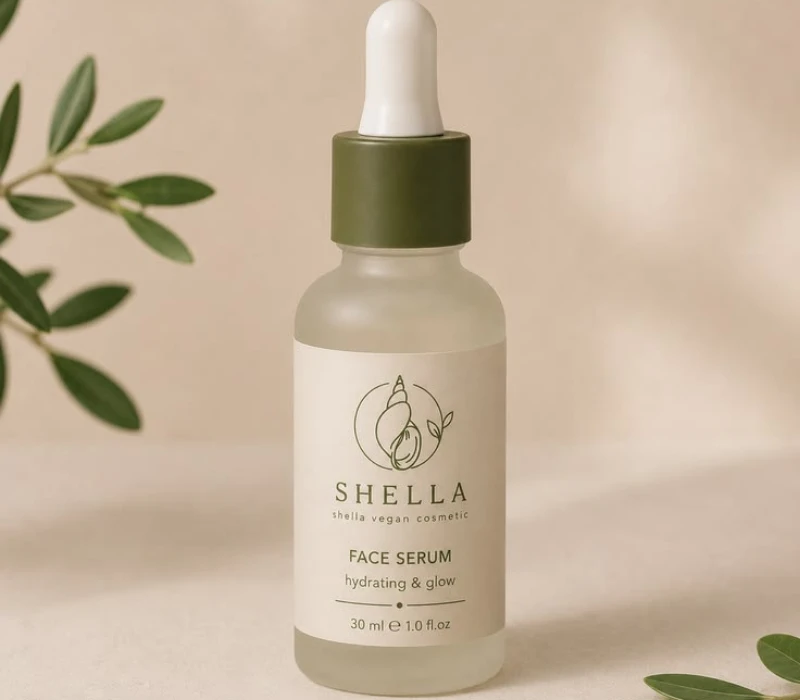
In the case of vegan cosmetics, consumers are looking for specific claims, ingredient information, and recognized certifications on packaging. They should be easy to find without taking over the whole design.
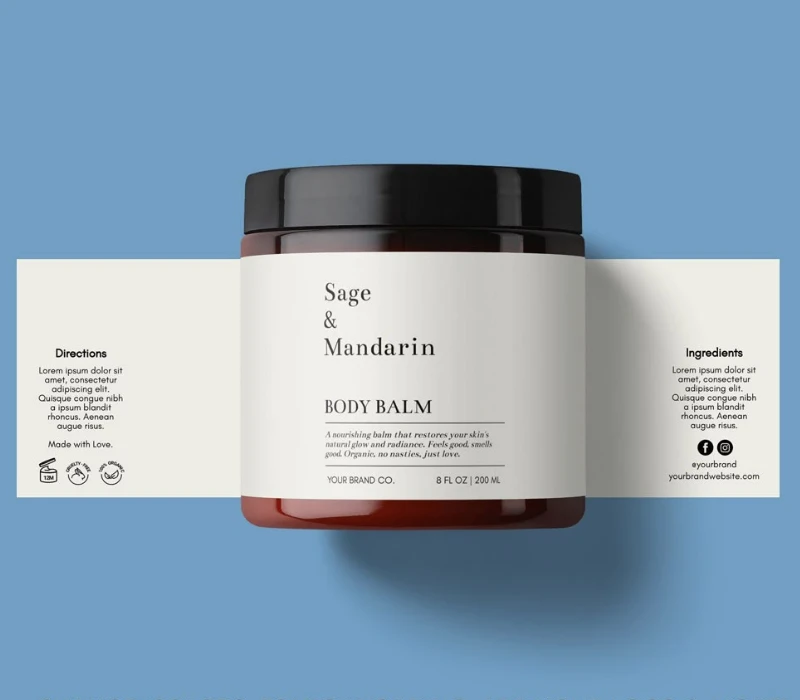
A clear information hierarchy can differentiate the product name, its benefits, its ingredients, how to use it, and relevant ethical claims. The brands should also avoid vague language that could confuse consumers. Specific, supportable communication is more credible than broad environmental or ethical statements
Source: in.pinterest.com
Source: in.pinterest.com
Source: in.pinterest.com
Source: in.pinterest.com
Sustainable Packaging for Vegan Beauty Products
Source: in.pinterest.com

Source: in.pinterest.com
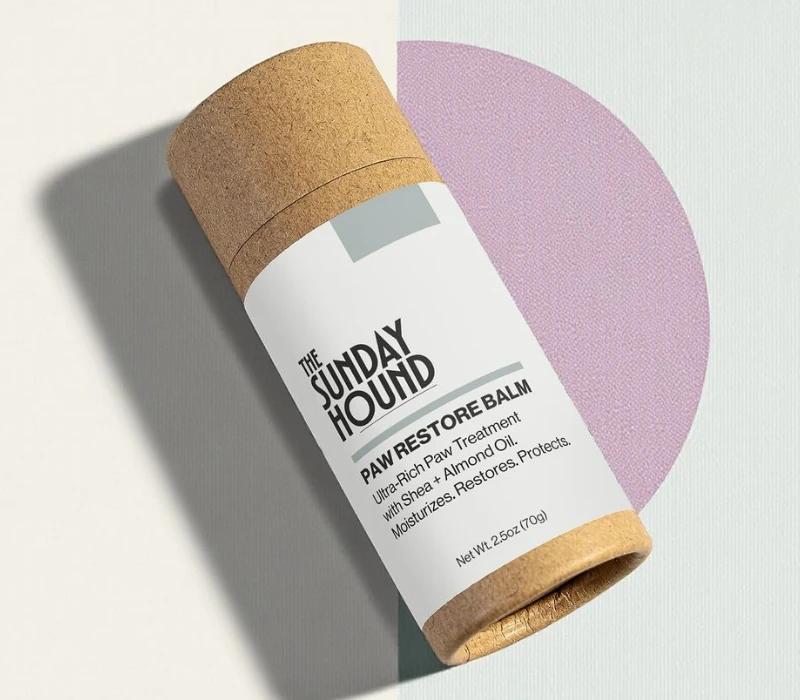
Eco-Friendly Packaging Materials
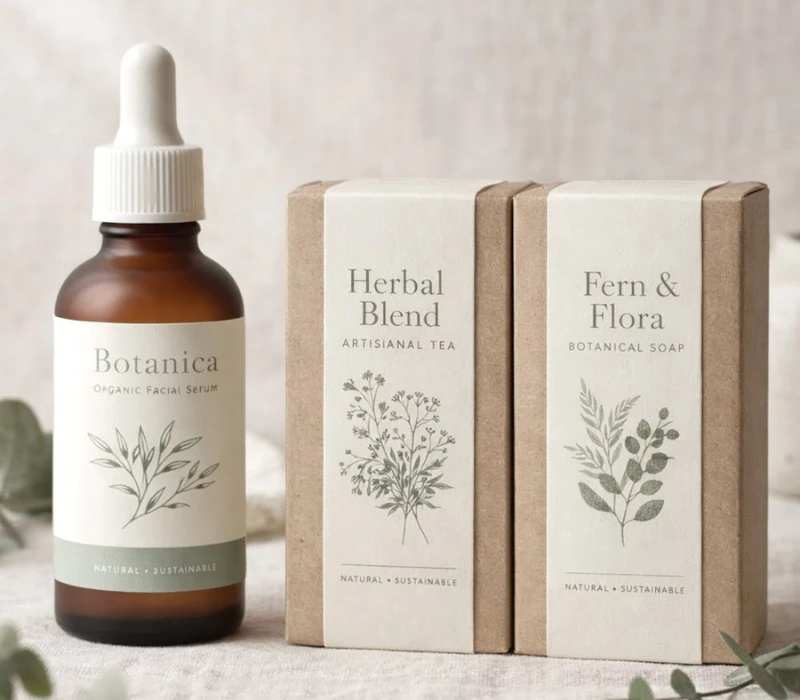
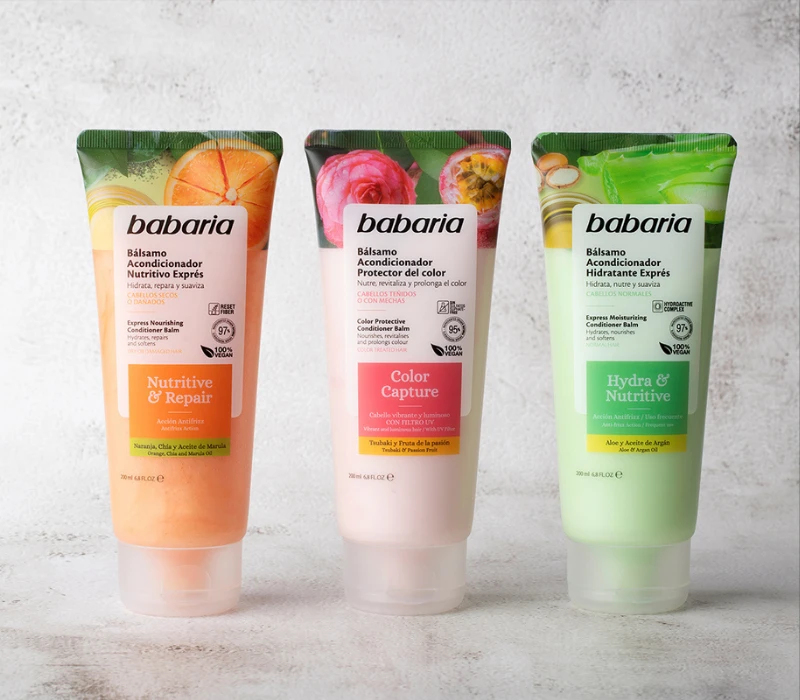
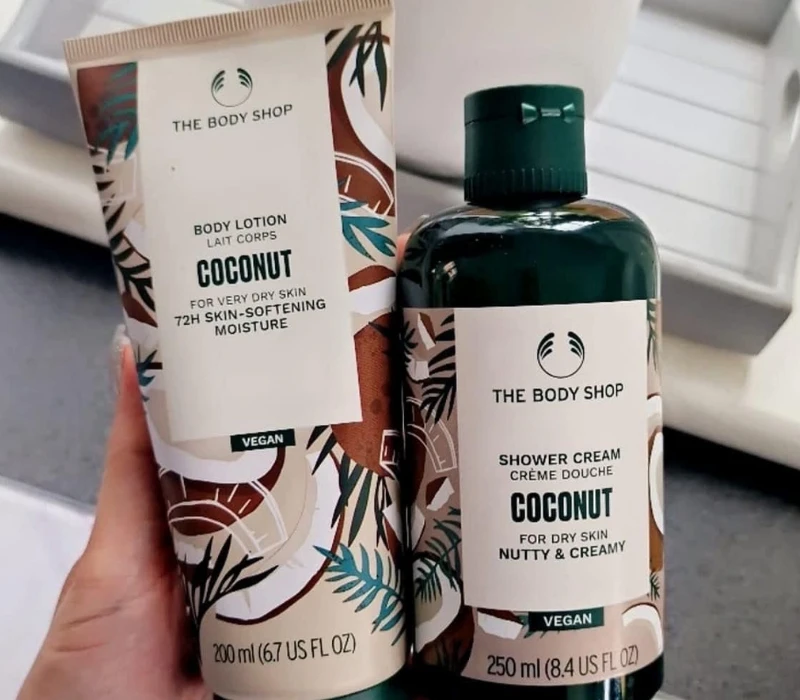
A vegan formula doesn’t automatically mean its packaging is eco-friendly. This is important because consumers might look at both the formulation and physical package of a conscious beauty product.
Depending on the product’s requirements, brands can look at materials such as recycled paperboard, recycled plastics, glass, aluminum, or responsibly sourced paper. But material selection should not just be about appearance. The environmental performance of packaging can be influenced by product protection, transportation weight, durability, compatibility, and the recycling systems in place.
Source: in.pinterest.com
Source: in.pinterest.com
Source: in.pinterest.com
Source: in.pinterest.com
Recyclable, Reusable, and Low-Waste Packaging
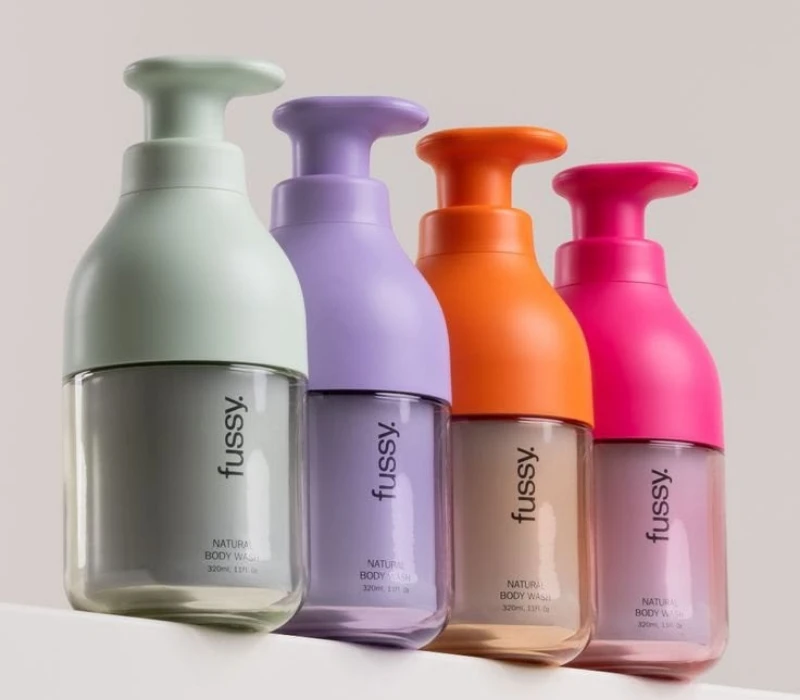
Designers have the opportunity to investigate lightweight structures, reduced secondary packaging, reusable containers, and recyclable elements. Clear disposal instructions can also aid consumers in understanding how to dispose of different parts of the package after use.
Source: in.pinterest.com
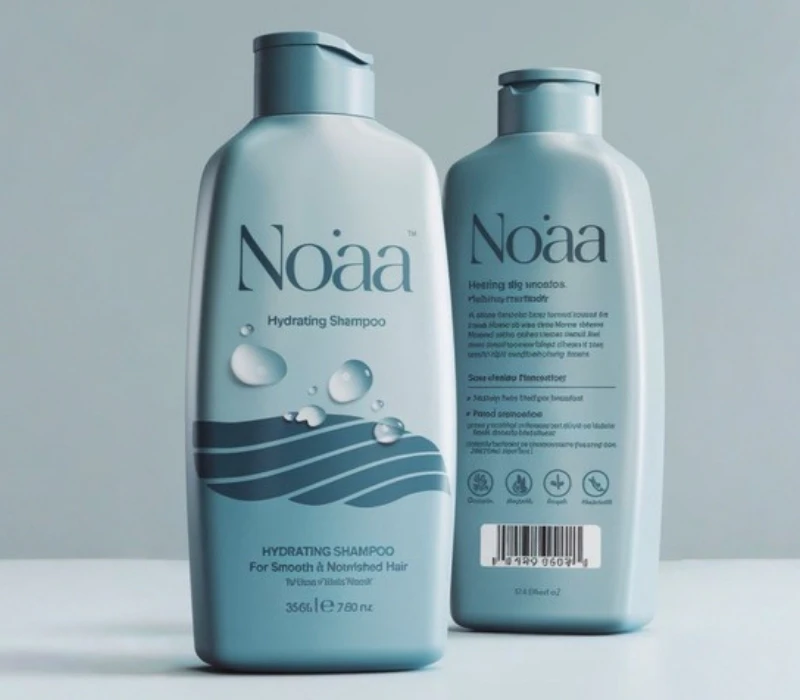
Source: in.pinterest.com
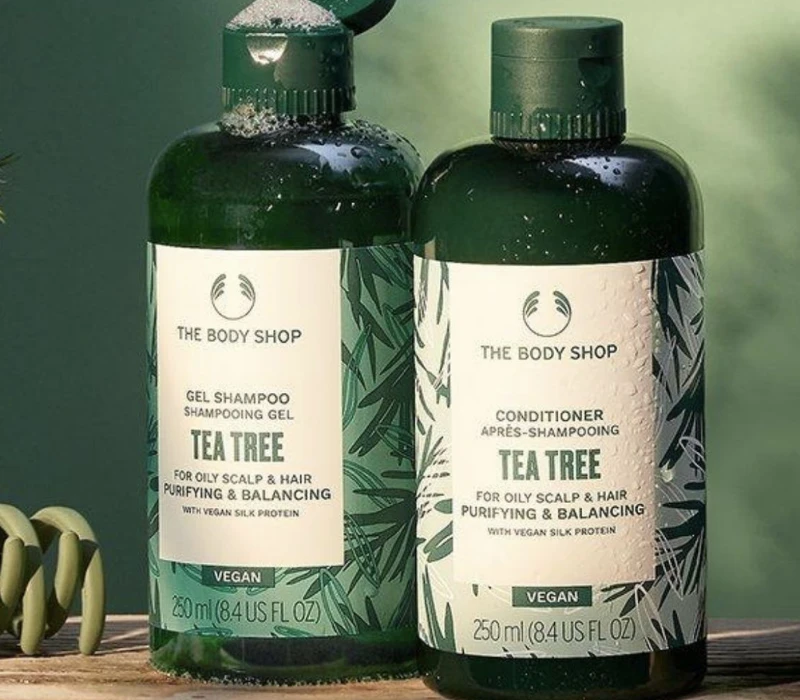
Source: in.pinterest.com
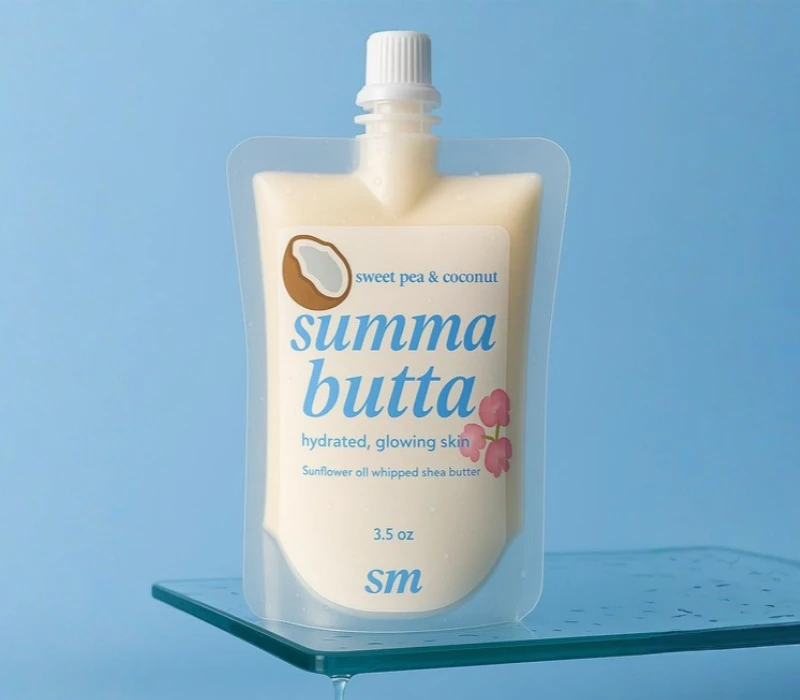
Source: in.pinterest.com
Designing Packaging for Different Vegan Beauty Products
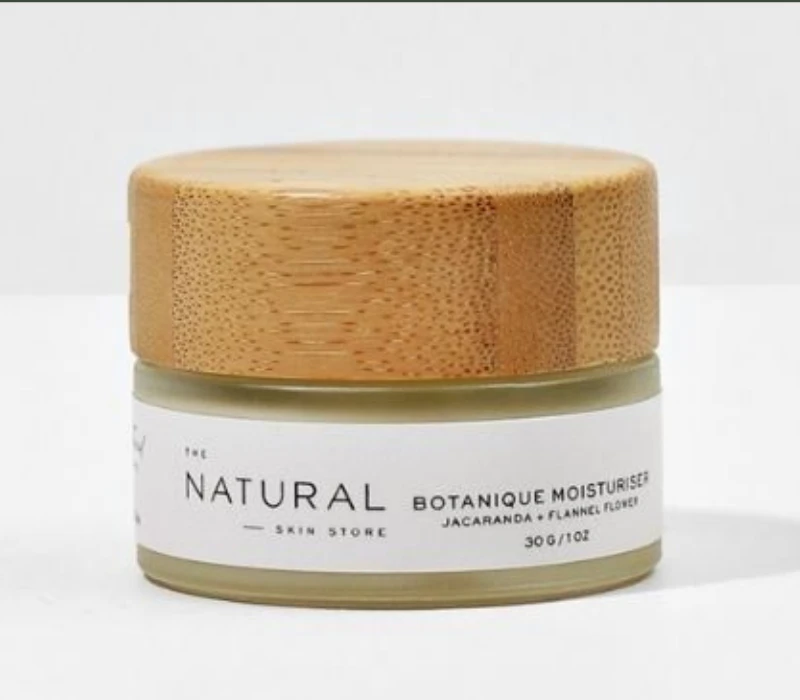
Vegan Skincare and Cosmetic Packaging
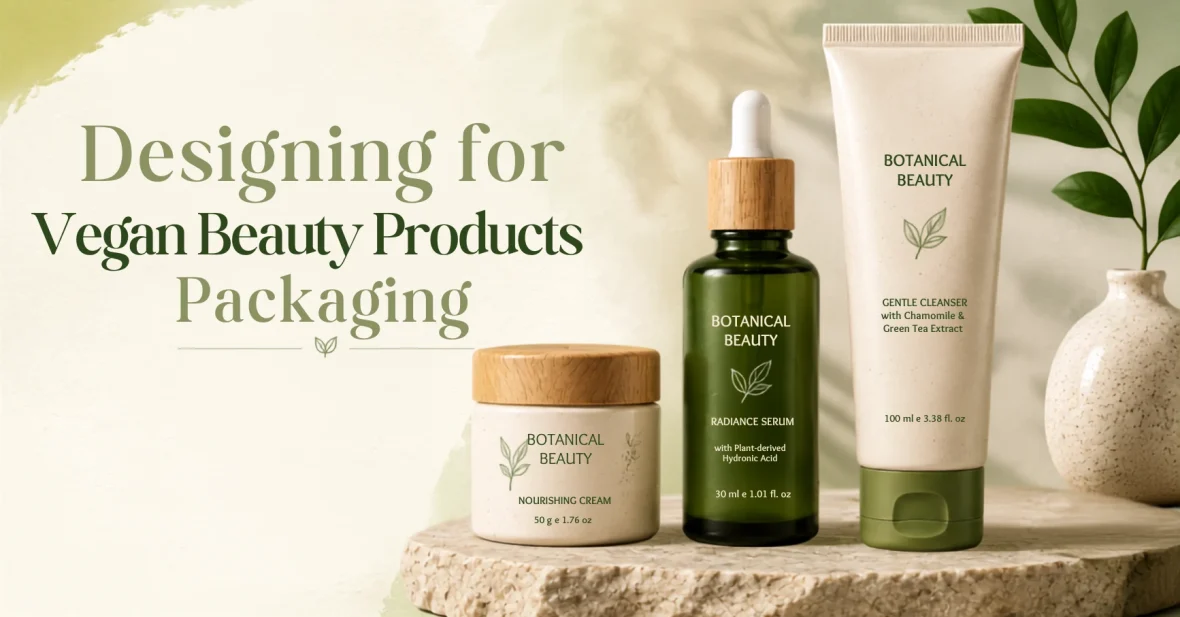
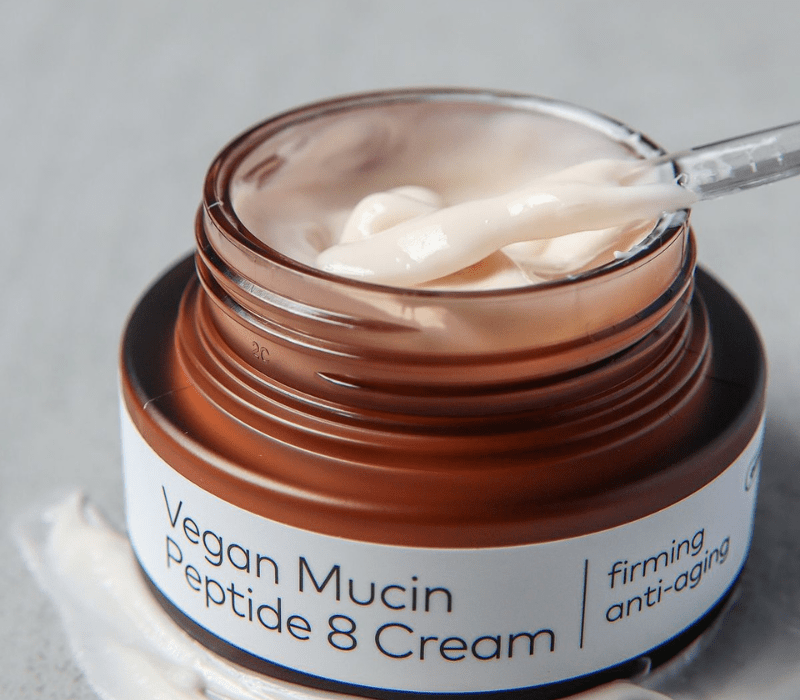
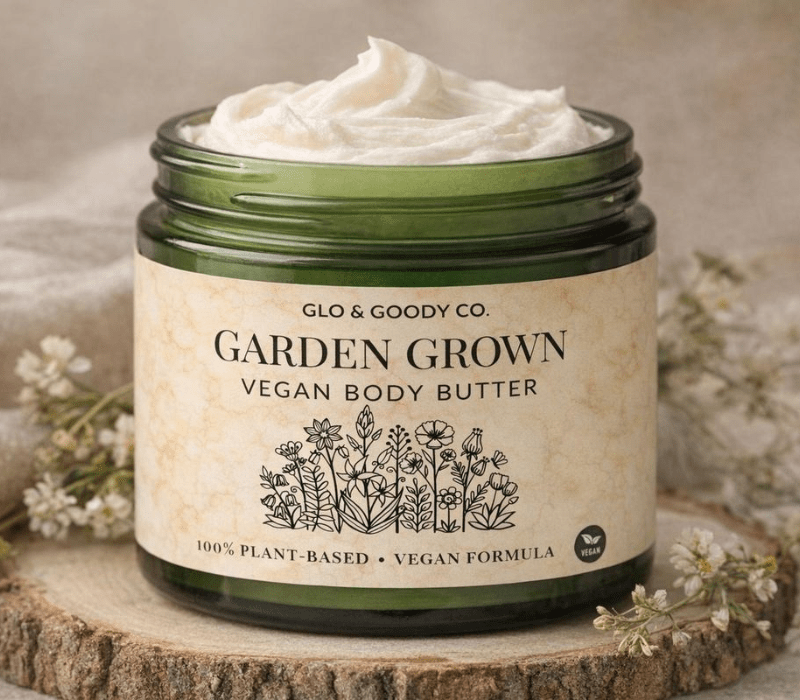
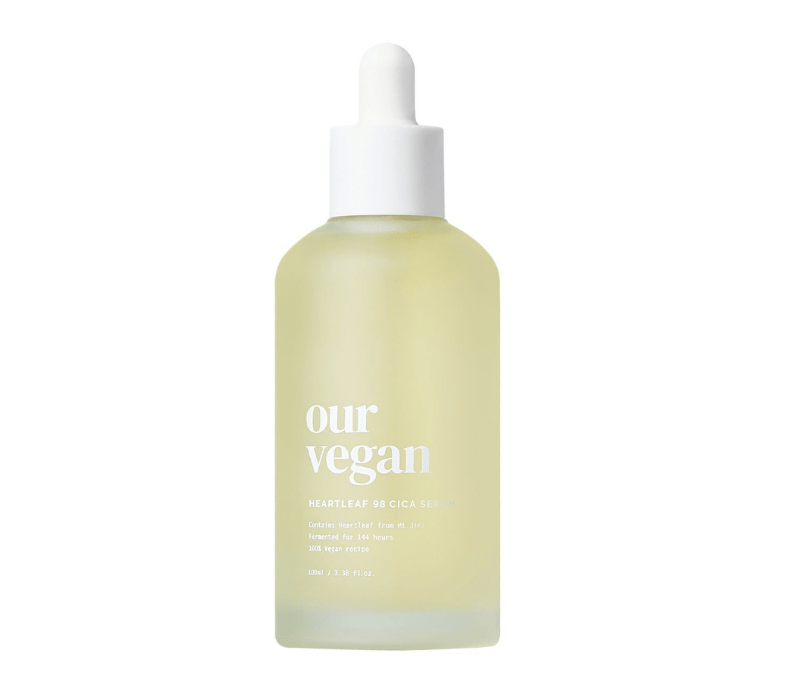
Beauty categories have their own packaging requirements. Vegan skincare products, such as moisturizer packaging design, serums and cleansers, need packaging design that can protect formulas from contamination, light, air or moisture, where appropriate.
Cosmetics raise additional issues, since the packaging must not only work, but also look attractive. Every kind of lip product, foundation, powder, and eye cosmetic needs a structure suitable for its application. Thus, the vegan positioning should be an addition to usability and protection, not a restriction of functional design.
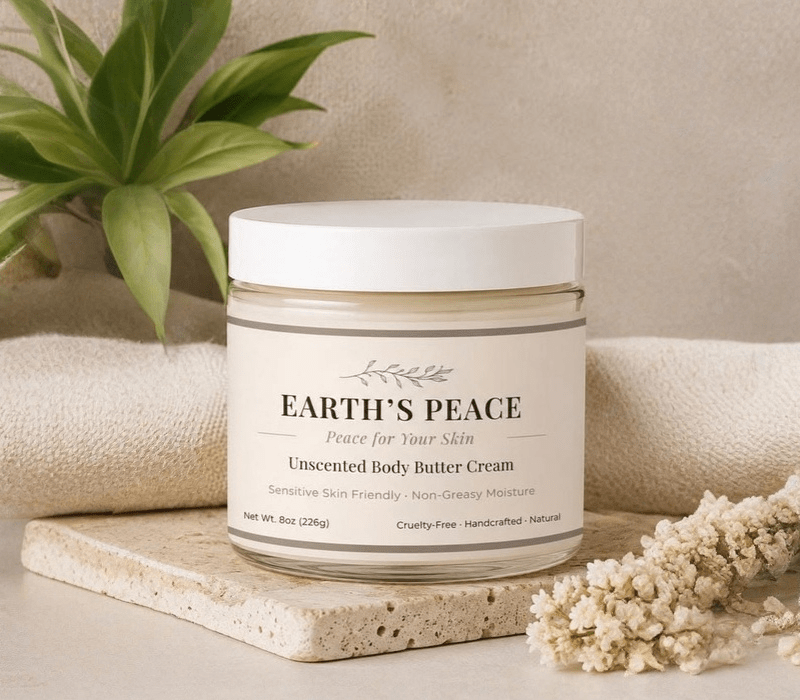
Source: in.pinterest.com
Source: in.pinterest.com
Source: in.pinterest.com
Source: in.pinterest.com
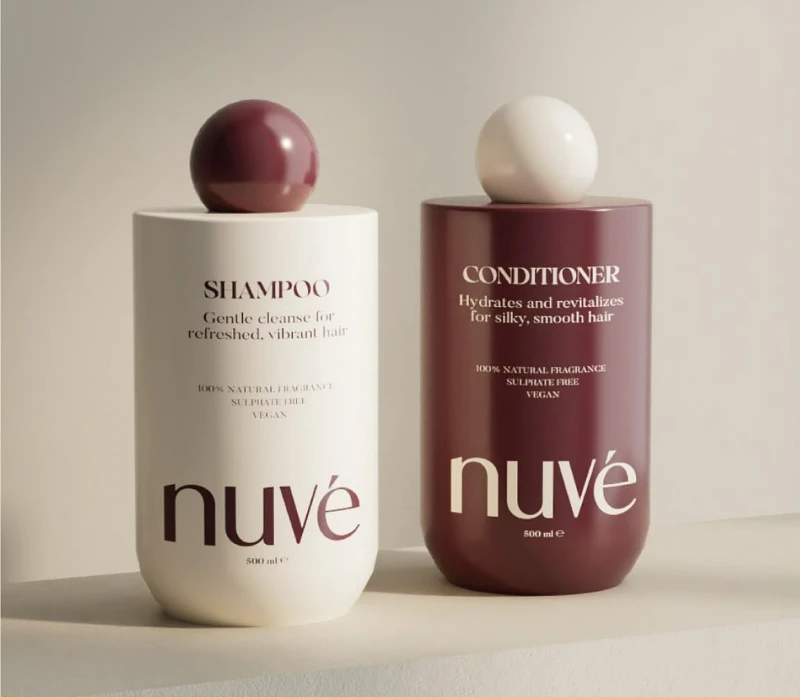
Vegan Haircare and Personal Care Packaging
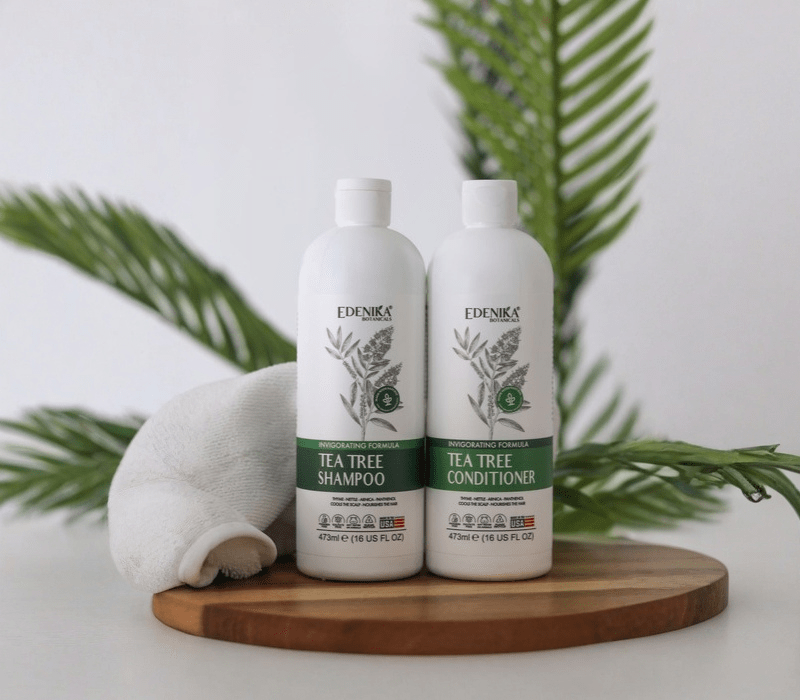
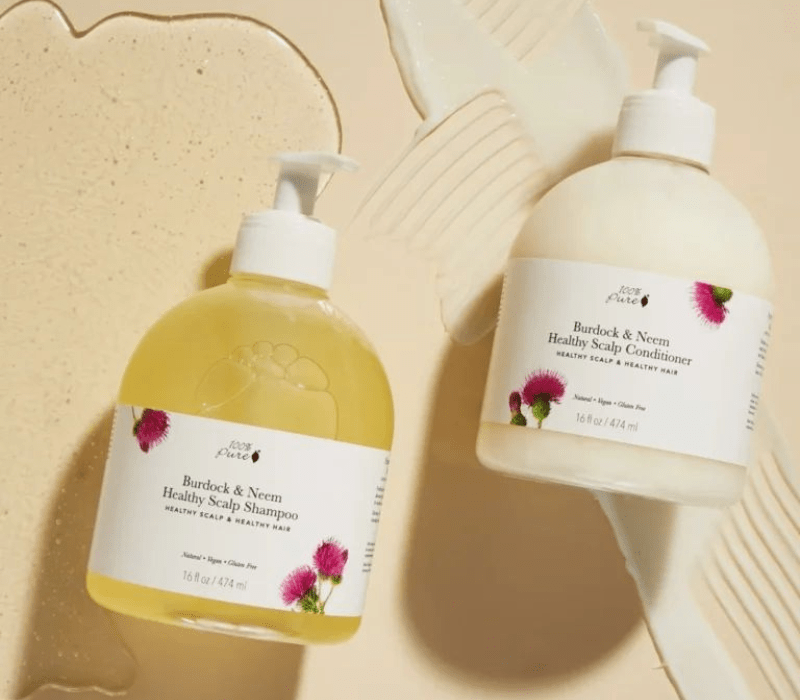
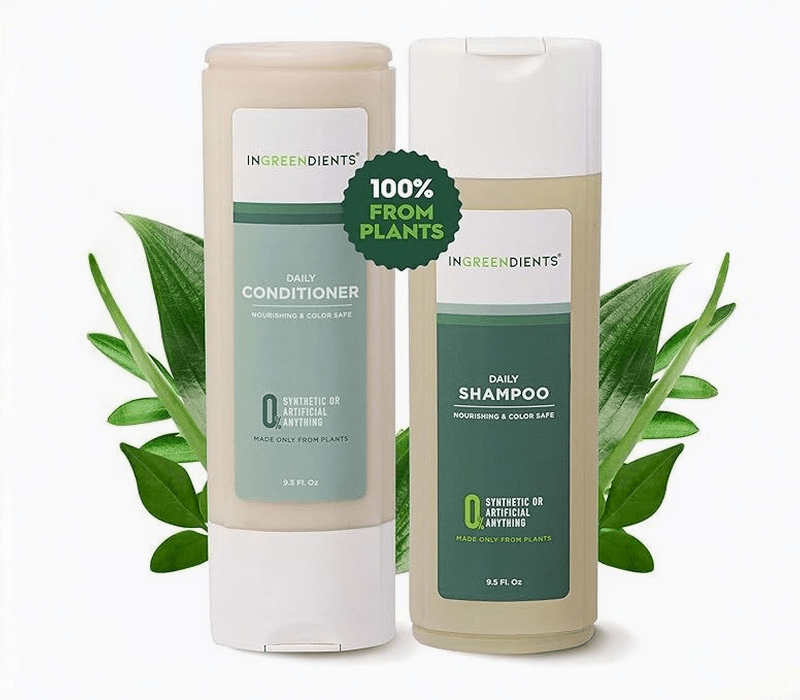
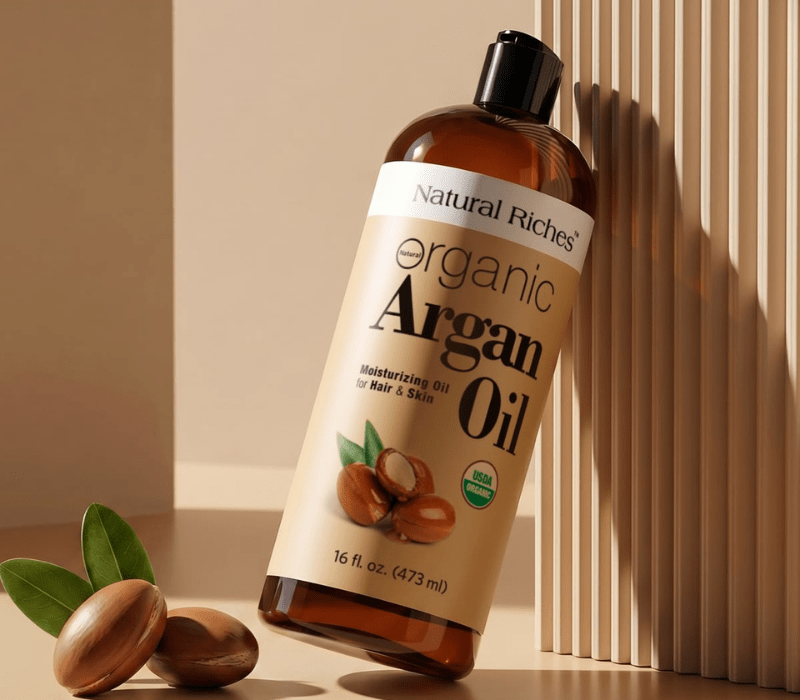
In hair care and personal care products, often packaged in larger containers and used often, convenience is particularly important. Bottles, tubes, pumps and refill systems should be comfortable to handle while providing efficient product dispensing.
Also, the visual identity consistency of shampoos, conditioners, treatments and personal care products can help in brand recognition. The individual products can be identified by differences in color, typography or labeling without losing the overall vegan beauty trademark.
Source: in.pinterest.com
Source: in.pinterest.com
Source: in.pinterest.com
Source: in.pinterest.com
Creating Shelf Appeal and Consumer Trust
Balancing Premium Design With Authenticity
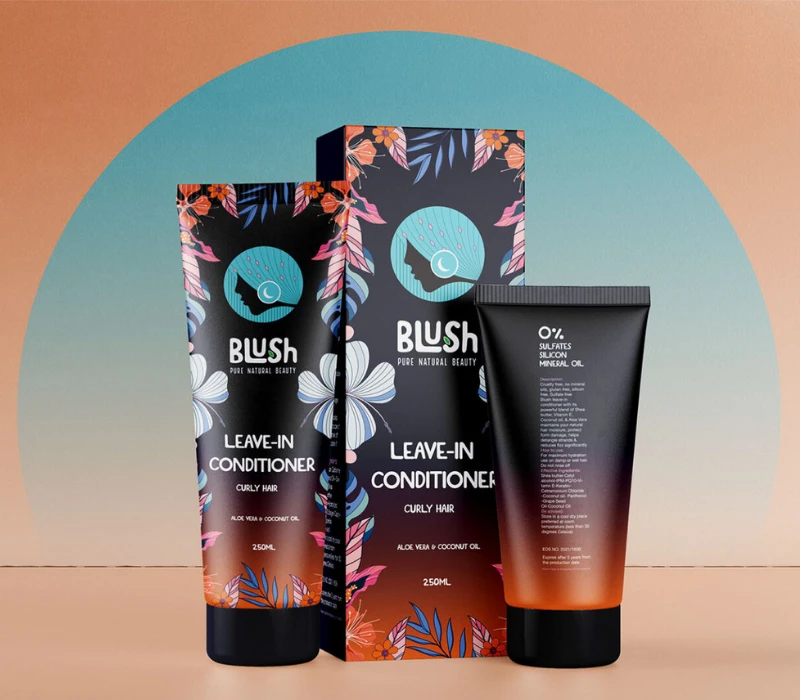
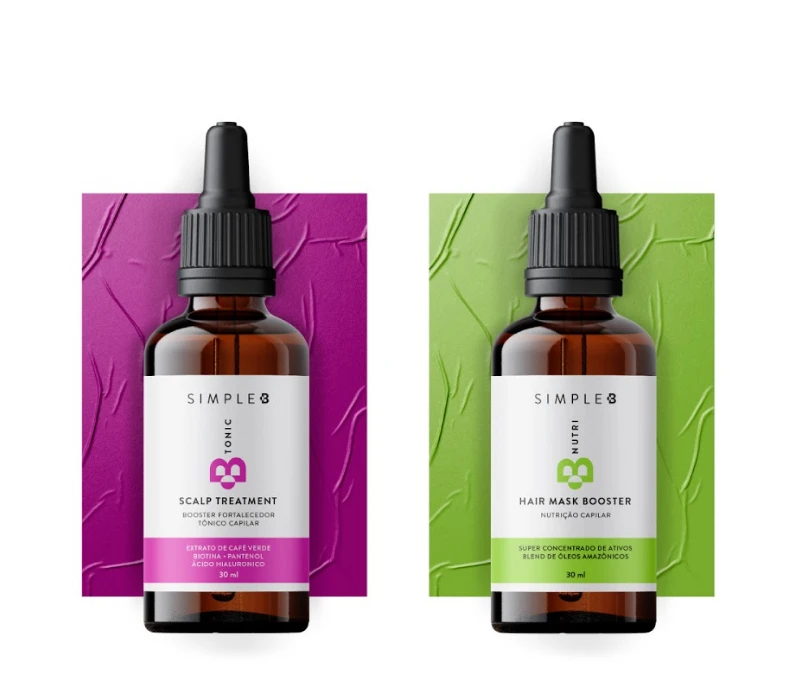
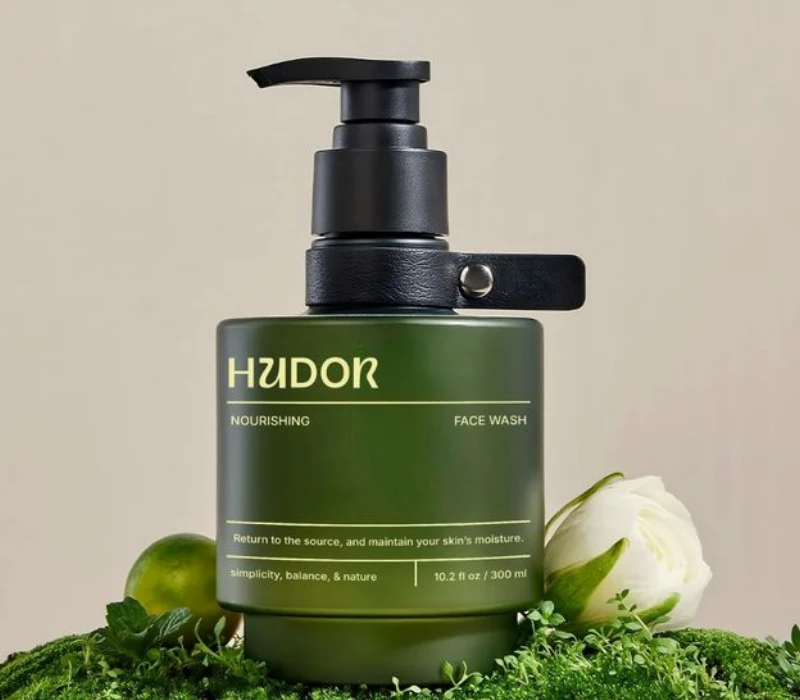
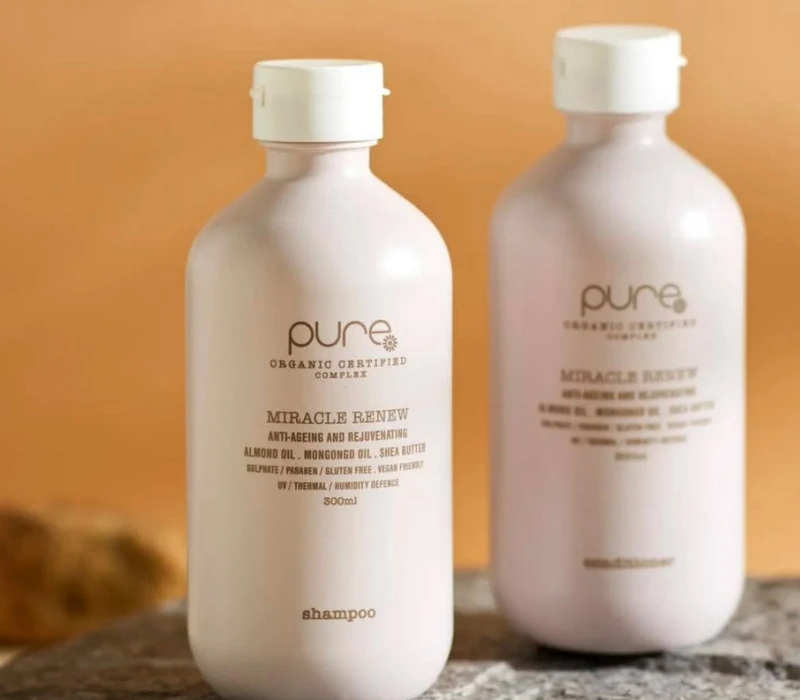
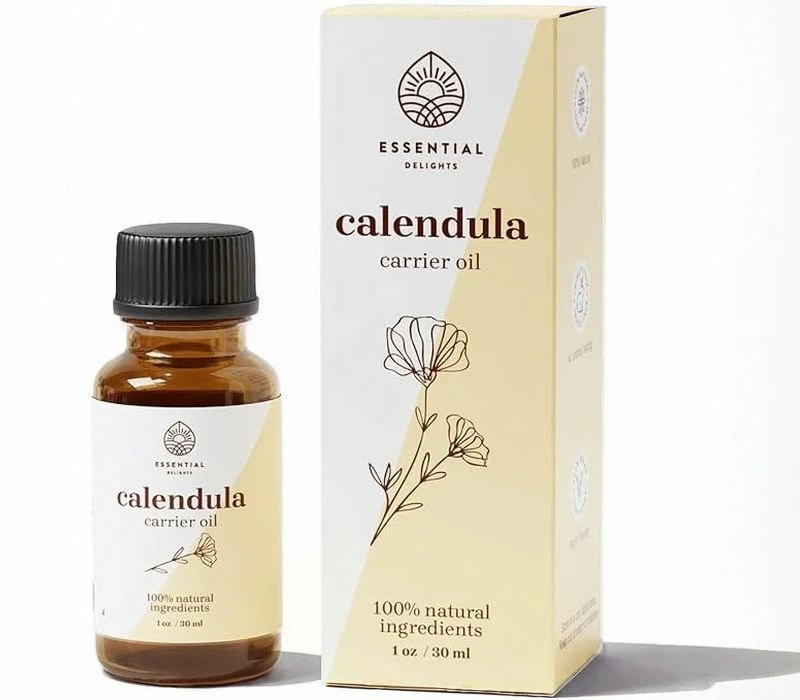
Sustainable packaging doesn’t have to be basic or cheap. Texture of material, design of structure, finishing, typography, and composition can all give a premium impression without excessive decorative elements.
The best designs are the ones that combine visual sophistication with values the brand lives by. Packaging doesn’t have to try to look sustainable with predictable imagery; it can communicate quality through restraint, consistency, and meaningful details.
Source: in.pinterest.com
Source: in.pinterest.com
Source: in.pinterest.com
Source: in.pinterest.com
Transparency, Certifications, and Avoiding Greenwashing
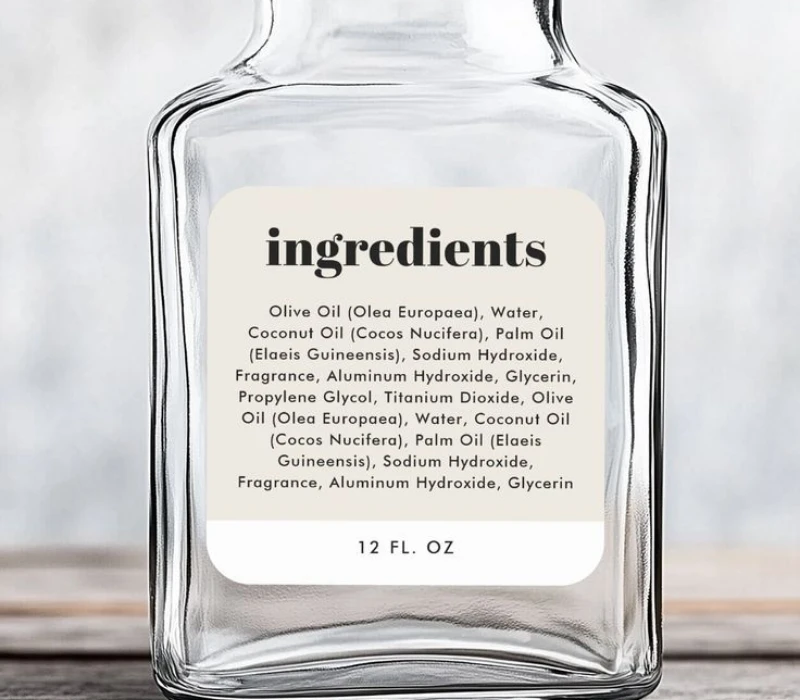
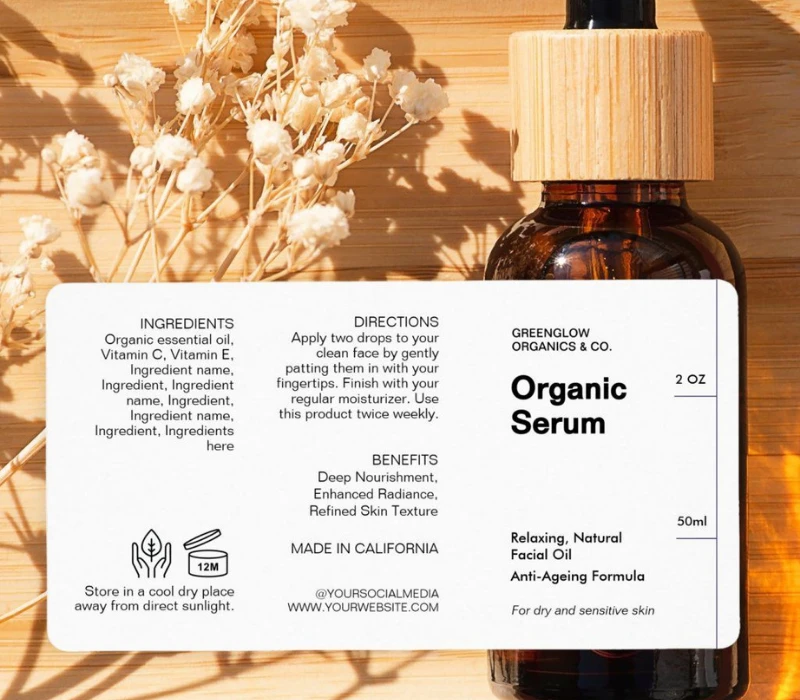
As sustainability becomes a more popular marketing theme, brands need to be careful of unsubstantiated environmental claims. Words such as green, clean, natural, or eco-friendly can be ambiguous unless clarified.
Where possible, transparent packaging communication should explain specific attributes. Relevant certifications and presented material information can help consumers make informed decisions. This method reduces the risk of greenwashing and builds long-term consumer trust.
Source: in.pinterest.com
Source: in.pinterest.com
Source: in.pinterest.com
Source: in.pinterest.com
Future Trends in Vegan Beauty Packaging
Refillable and Minimal Packaging Solutions
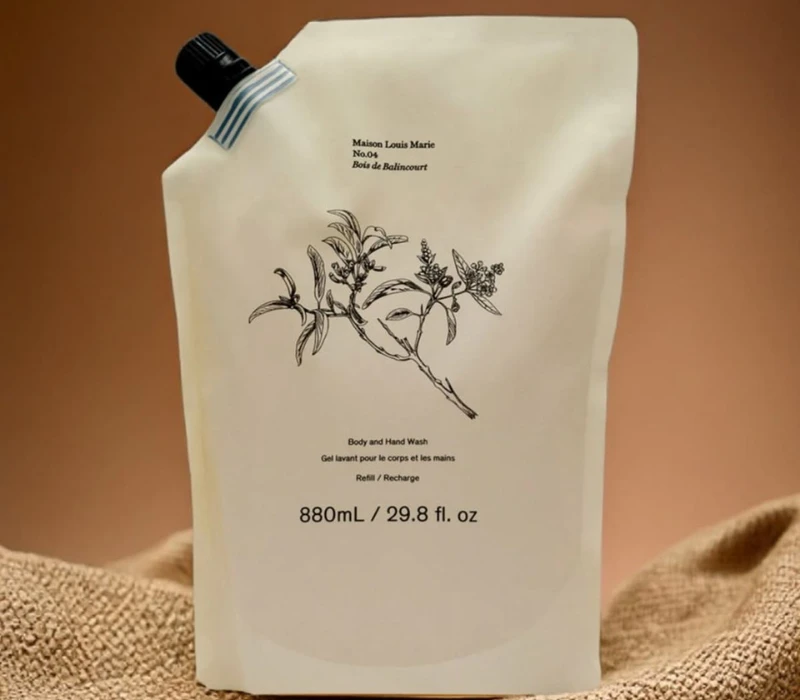
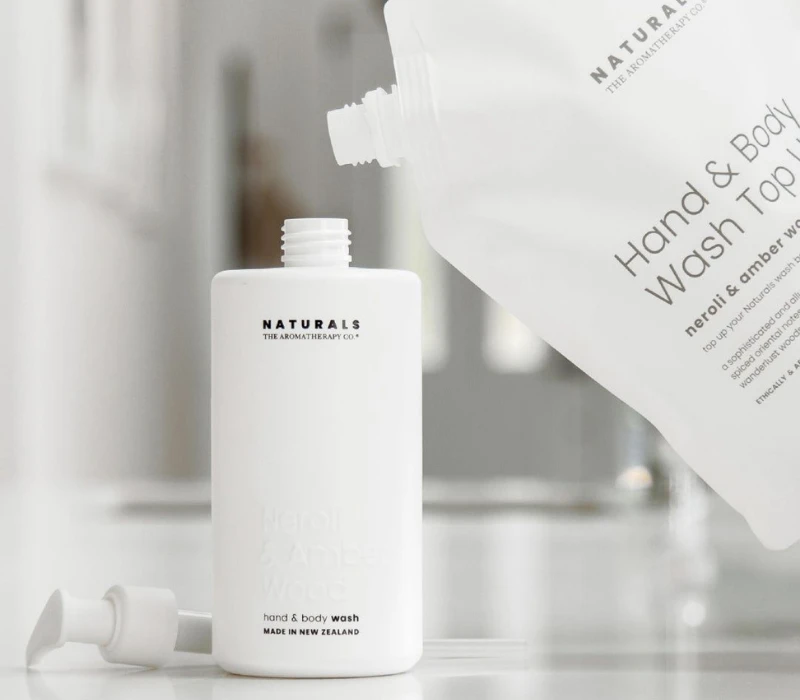
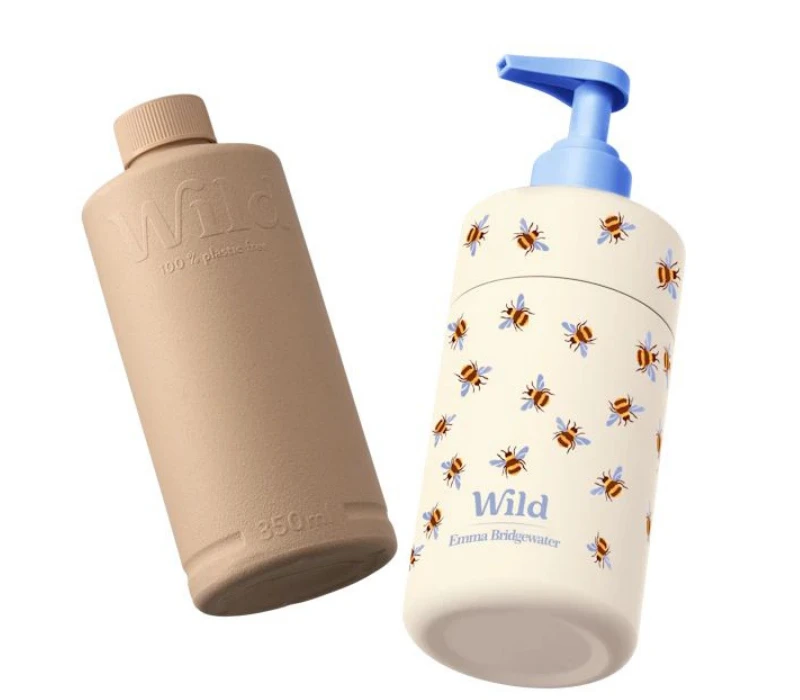
Refill systems are a significant trend in beauty packaging as brands seek to reduce single-use materials. Over time, durable primary containers with lighter refill formats could reduce the amount of packaging used over successive purchases.
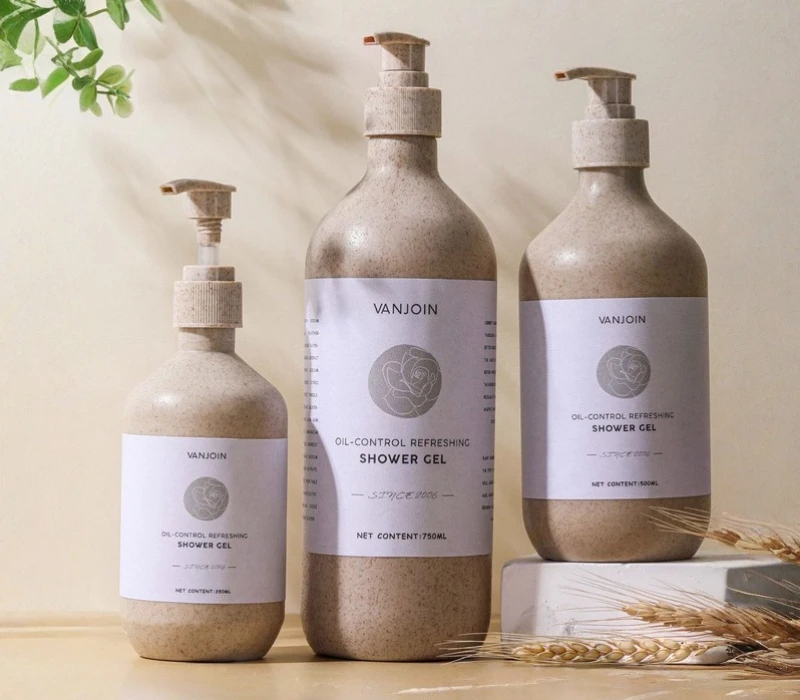
Design is also driven by minimal packaging. Brands are shifting from stacking up more and more components to create perceived value to more efficient structures in which each element has a practical purpose.
Source: in.pinterest.com
Source: in.pinterest.com
Source: in.pinterest.com
Source: in.pinterest.com
Digital Transparency and Smart Packaging
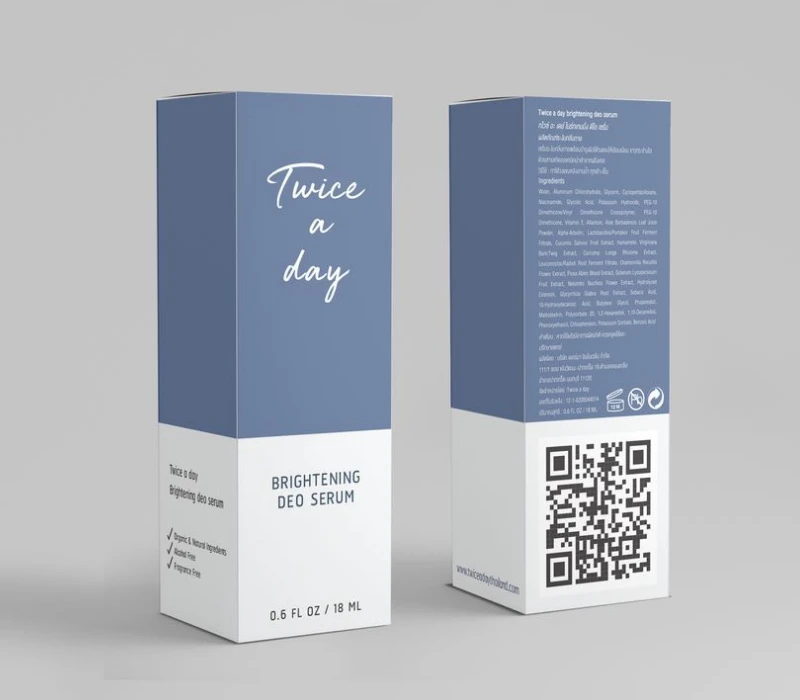
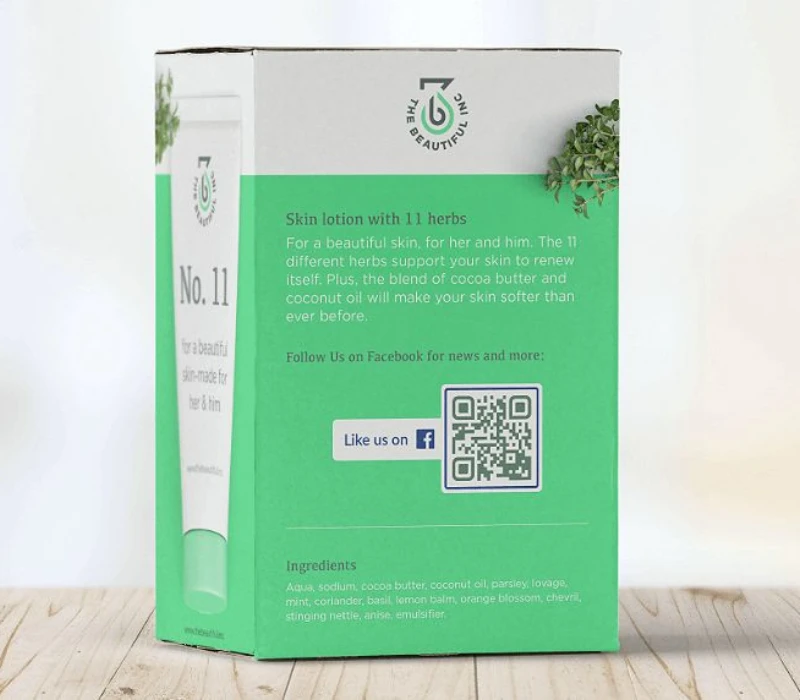
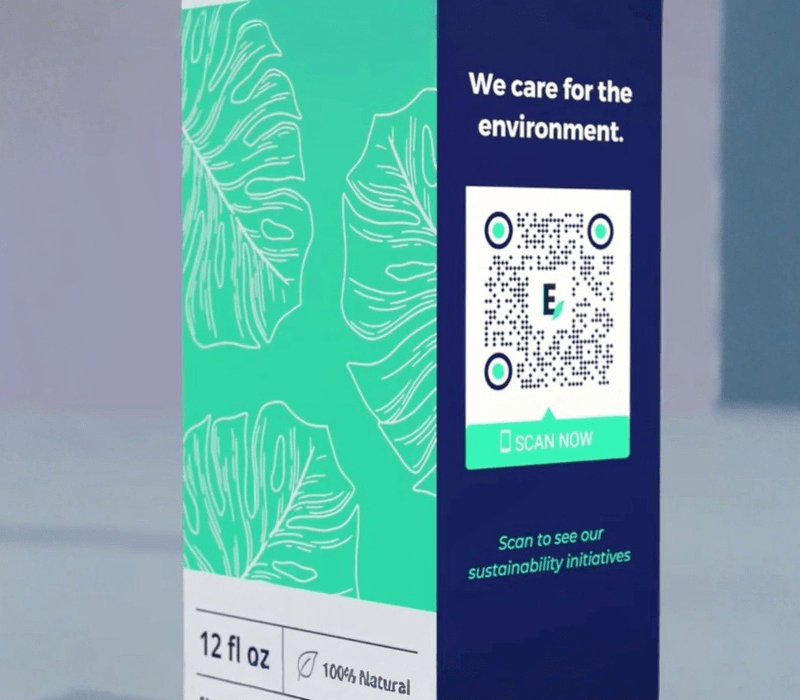
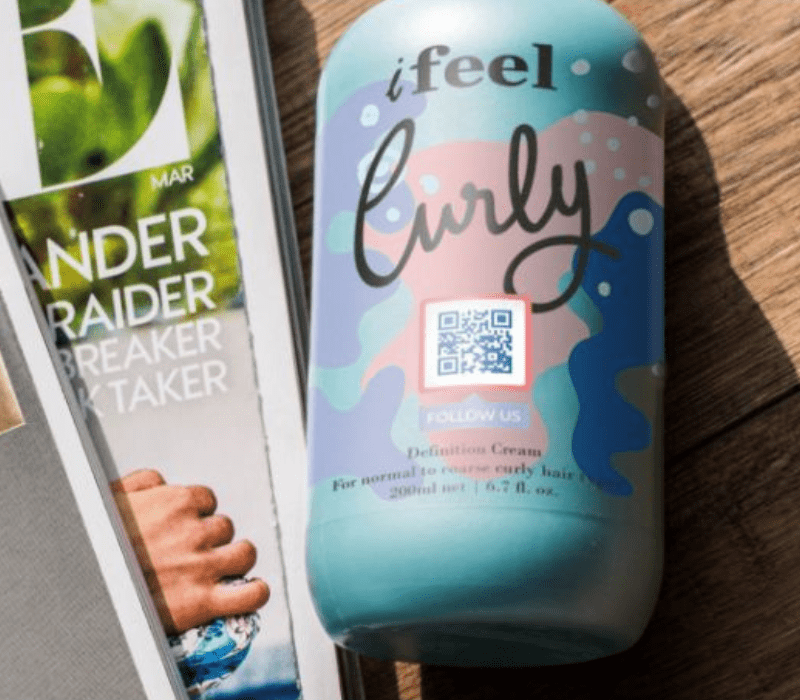
Digital devices are giving us new ways of communicating information that simply cannot easily be squeezed onto a small cosmetic package. QR codes and connected packaging experiences may reveal details about ingredients, sourcing information, recycling guidance, certifications, and brand stories.
This way, the physical packaging remains visually clean, but interested consumers can obtain more in-depth information about the product and its environmental or ethical positioning.
Source: in.pinterest.com
Source: in.pinterest.com
Source: in.pinterest.com
Source: in.pinterest.com
Final Thoughts: Designing for Conscious Beauty
It’s not just about slapping a vegan claim or some natural imagery on a package to make successful vegan beauty products. It takes a thoughtful connection between formulation, materials, visual identity, functionality, and transparent communication.
As conscious beauty evolves, packaging that marries strong design with credible ethical choices can help brands to stand out. When every piece backs the same message, packaging becomes more than a container; it’s a tangible expression of what the beauty brand is all about.