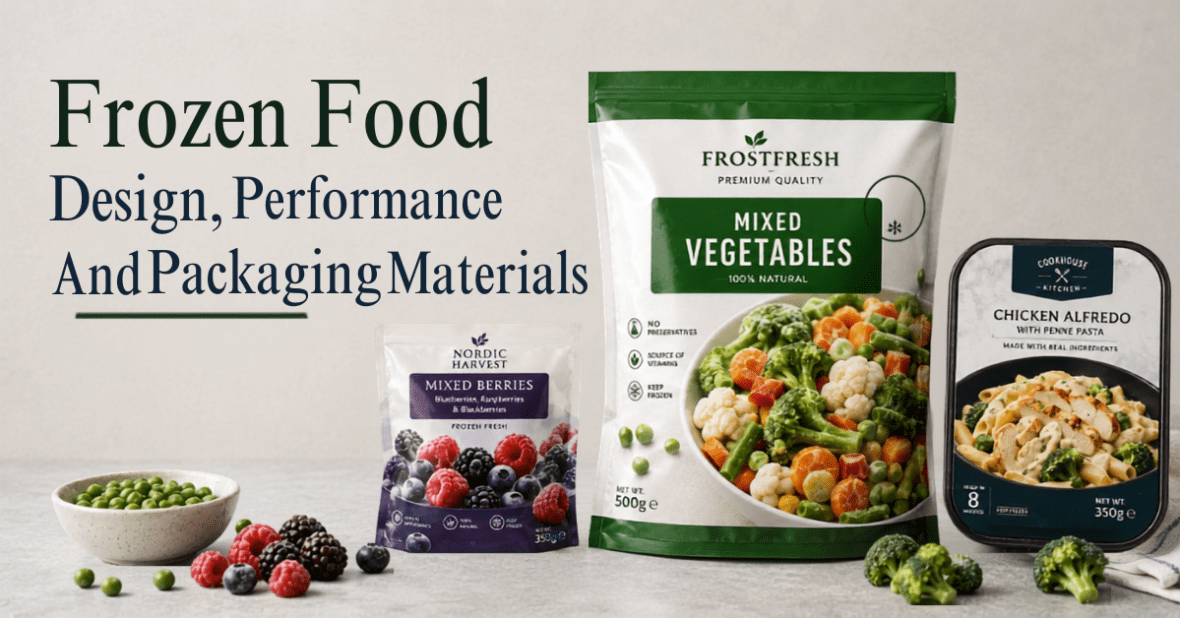
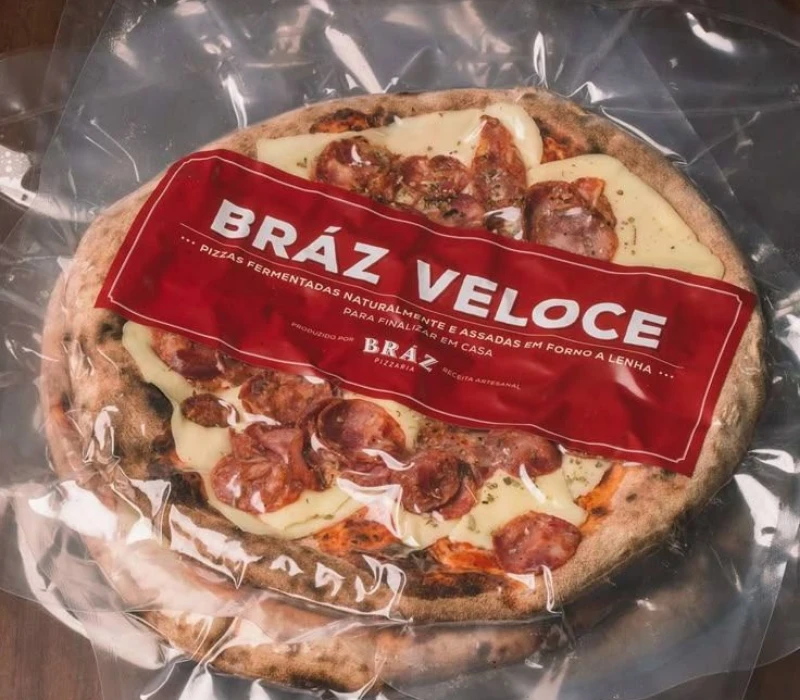
Frozen food packaging has a tougher job than you may think. During transport, stacking, handling and exposure to changing conditions, frozen vegetables, pizza, seafood or ready-to-cook snacks can sit for weeks or months at low temperatures. The packaging must protect the food throughout that journey without becoming brittle, leaking or losing its seal and not allowing moisture and oxygen to affect quality.
This is why the packaging for frozen food is not just a pretty package. The choice of materials, structural design, barrier performance, sealing, convenience and sustainability all contribute to the performance of a package from the production line to the consumer freezer.
Why You Should Look Closer at Frozen Food Packaging
Freezing slows down microbial activity and many chemical reactions, but it does not make food resistant to quality degradation. Moisture can leave the product, oxygen can cause oxidation, and food that is not well protected can develop freezer burn.
So packaging is the environment around the product to protect it. It must maintain its integrity at freezing temperatures and reduce contact with external moisture, air, contamination and physical damage.
Source: in.pinterest.com
Source: in.pinterest.com
The Issue of Chilled Temperatures
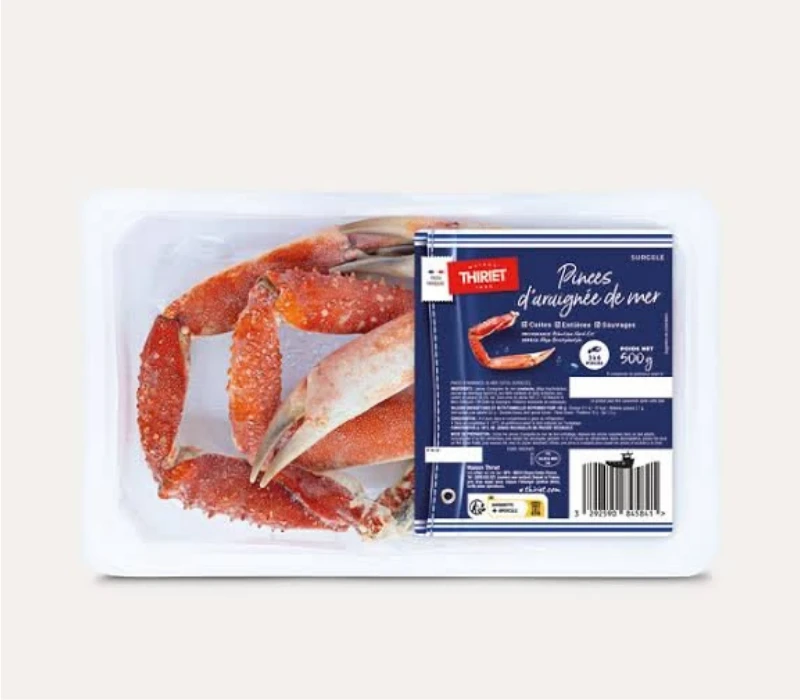
Materials behave differently as the temperature goes down . Some plastics may become less flexible, seals can be under additional stress and packages can crack when dropped or compressed.
Thus, the frozen packaging should be tested under the specific conditions it will face and not only for its visual and mechanical properties at room temperature.
Source: in.pinterest.com
Source: in.pinterest.com
Source: in.pinterest.com
Source: in.pinterest.com
Common Packaging Materials for Frozen Foods
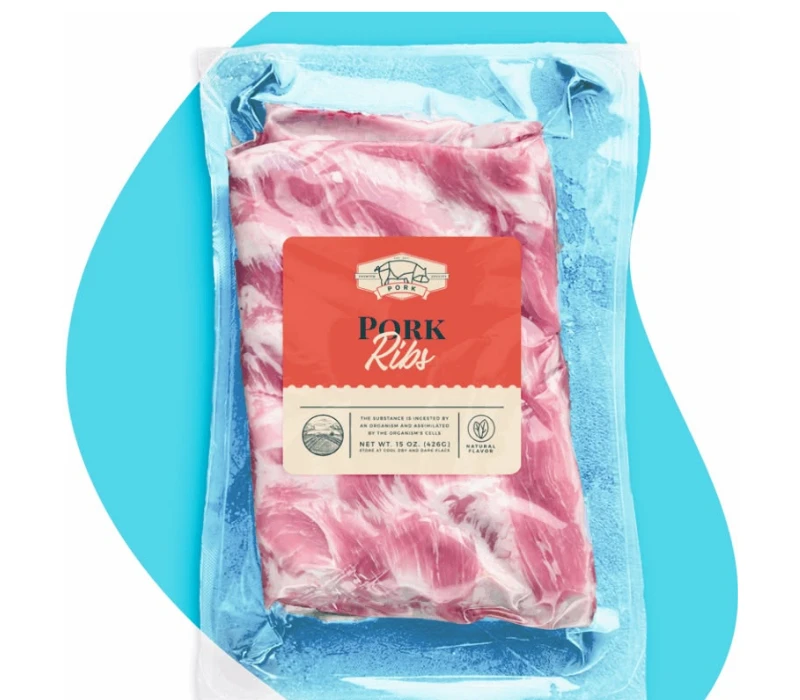
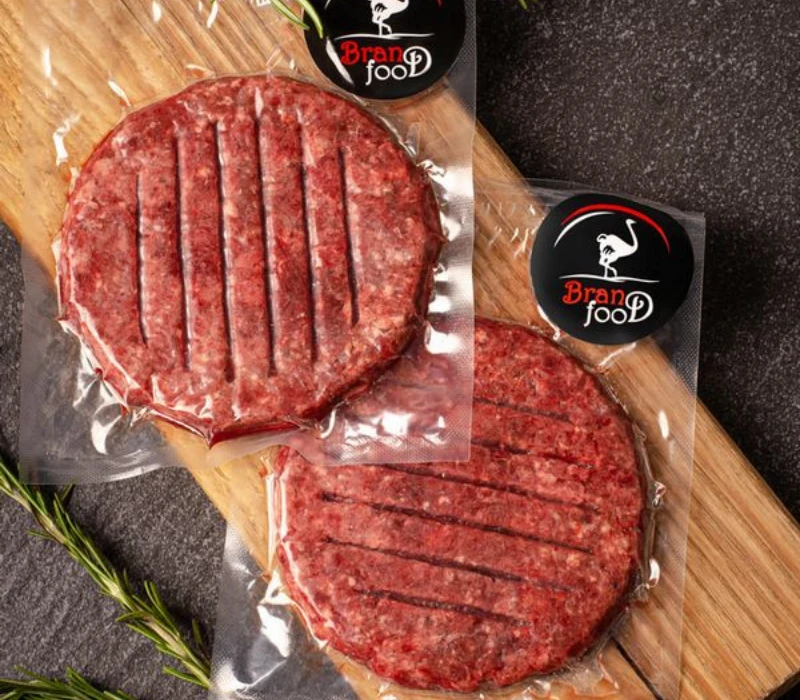
There isn’t one material that works for every frozen product. The packaging is selected by the manufacturers depending on the food’s moisture content, fat content, shape, storage period, preparation method and distribution requirements
Source: in.pinterest.com
Source: in.pinterest.com
.
Flexible Plastic Films
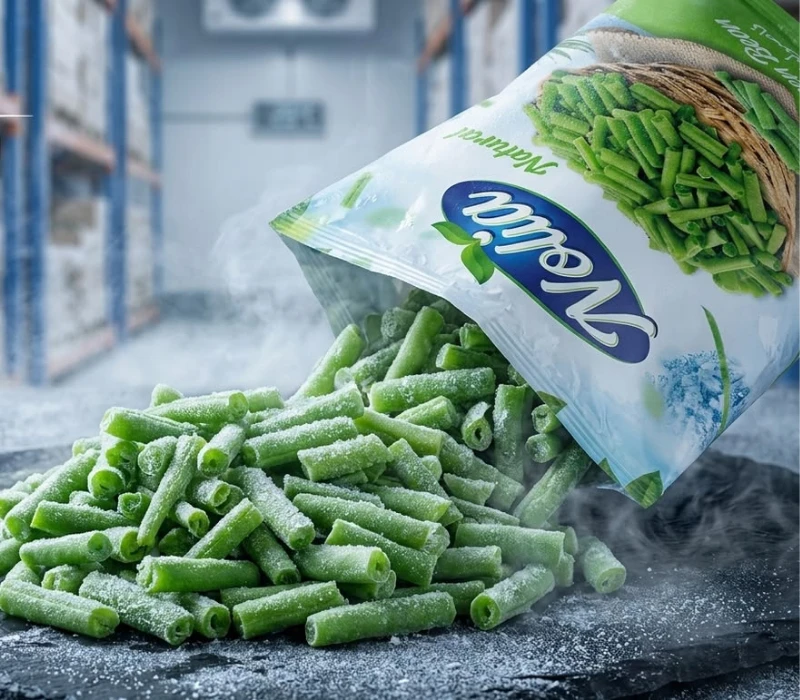
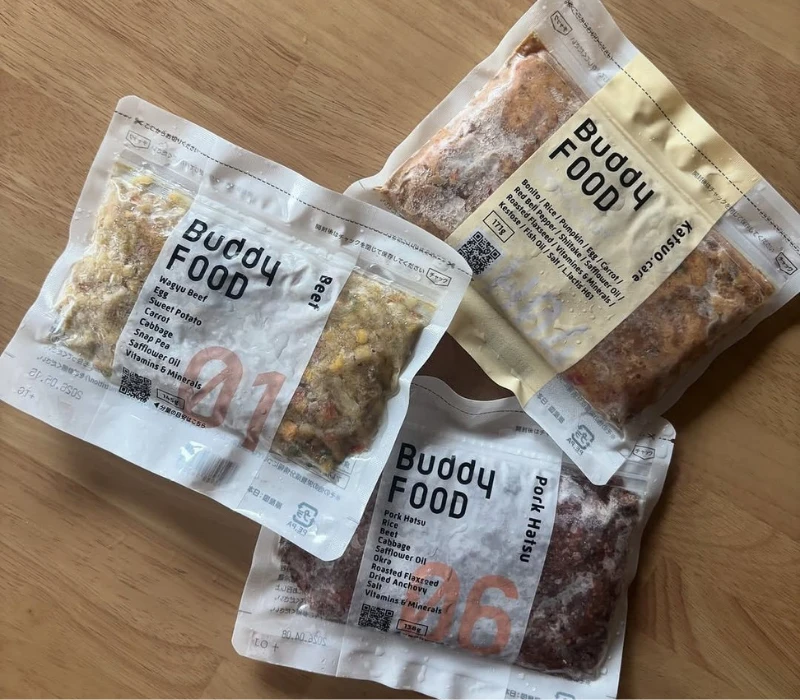
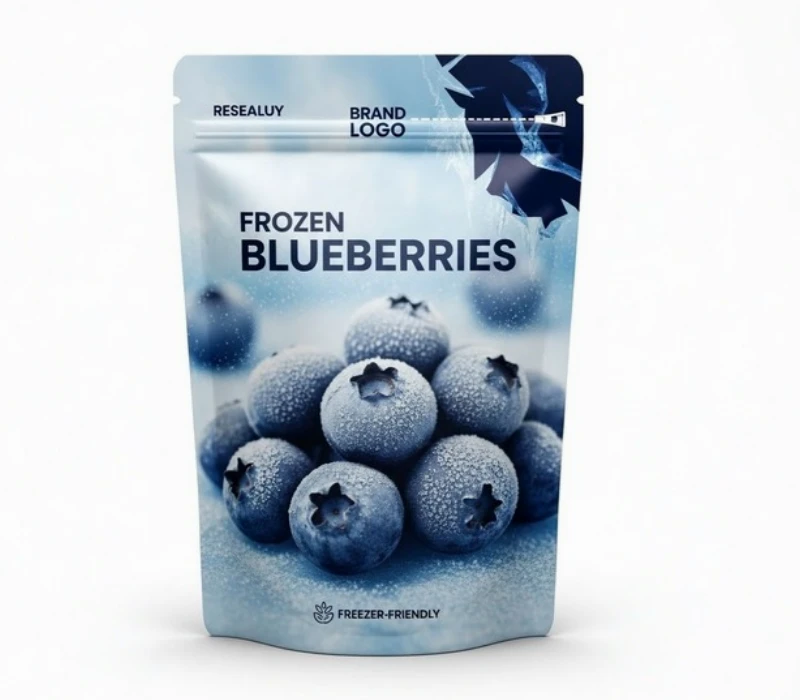
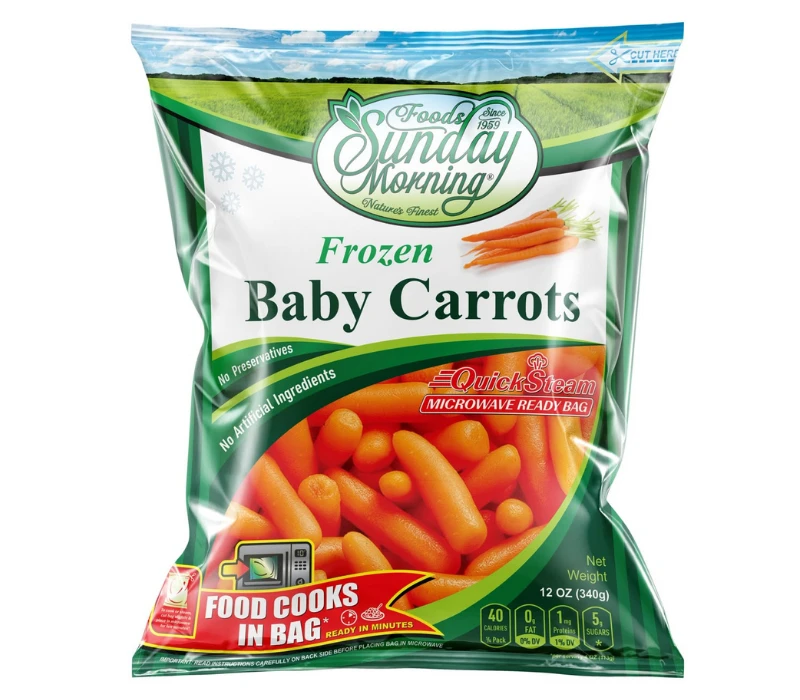
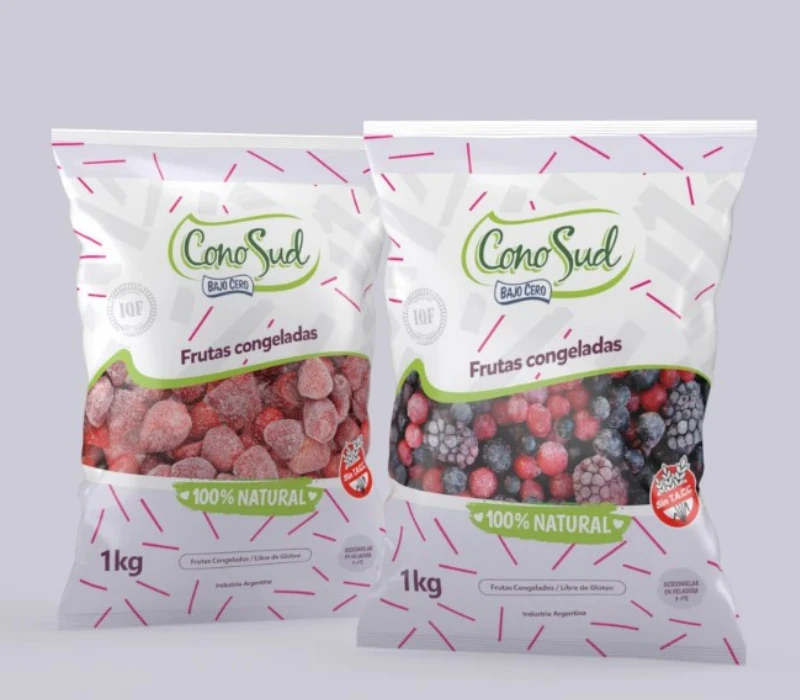
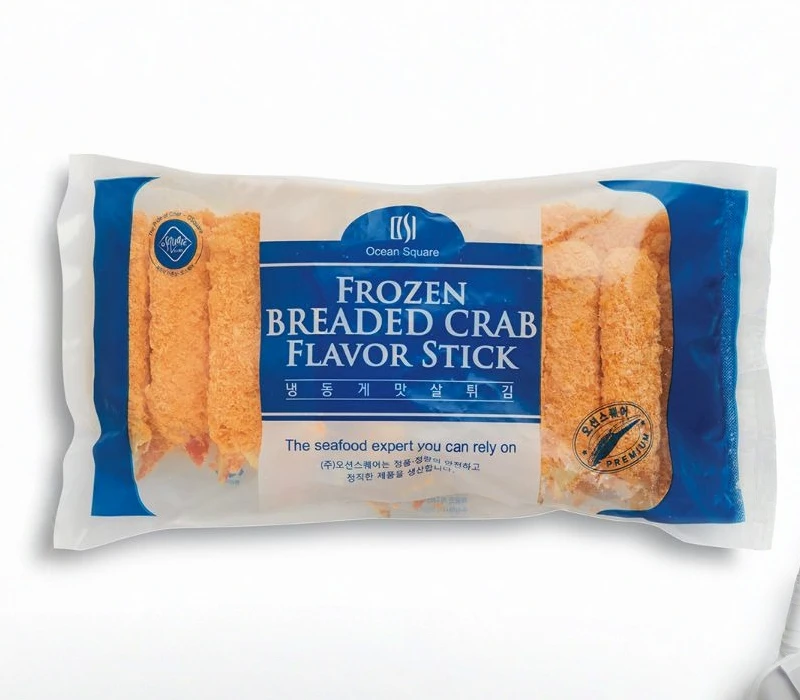
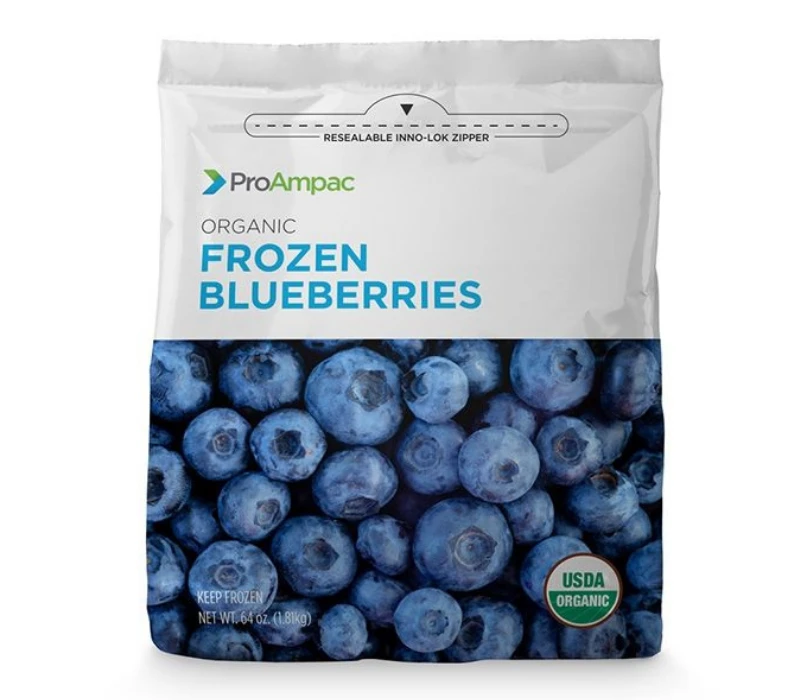
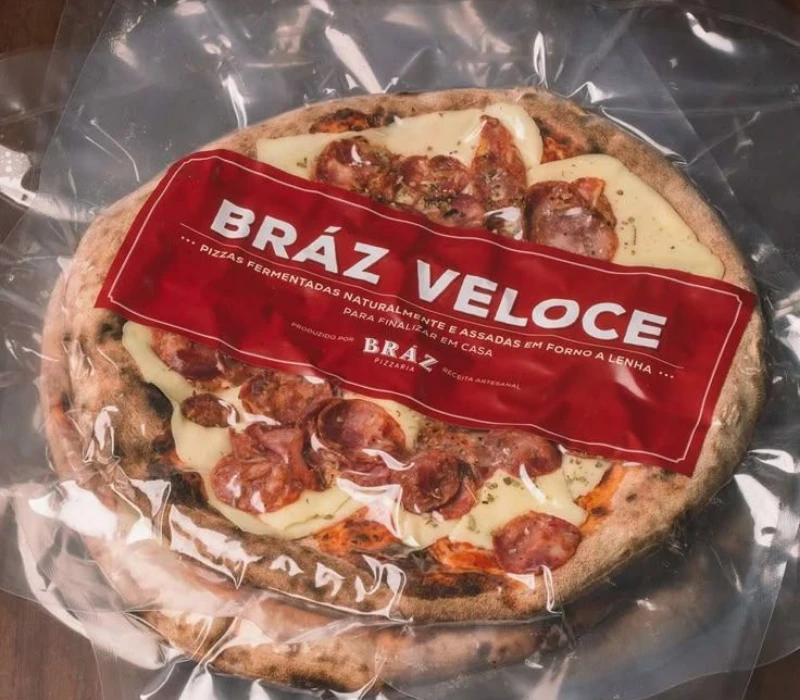
Flexible films are commonly used for frozen vegetables, fruits, fries, seafood, meat products and snacks. Polyethylene materials are especially useful, as they provide flexibility, moisture resistance and dependable heat-sealing performance.
Multilayer films can be composed of different polymers, each layer having a specific function. One can provide sealing strength, another can enhance puncture resistance or serve as a barrier to oxygen and moisture.
Source: in.pinterest.com
Source: in.pinterest.com
Source: in.pinterest.com
Source: in.pinterest.com
Paperboard & Cartons
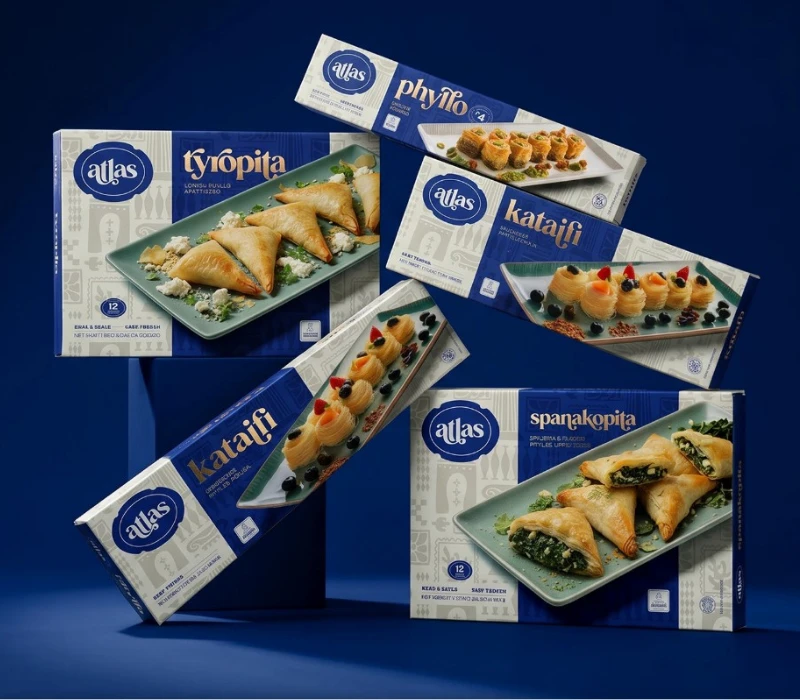
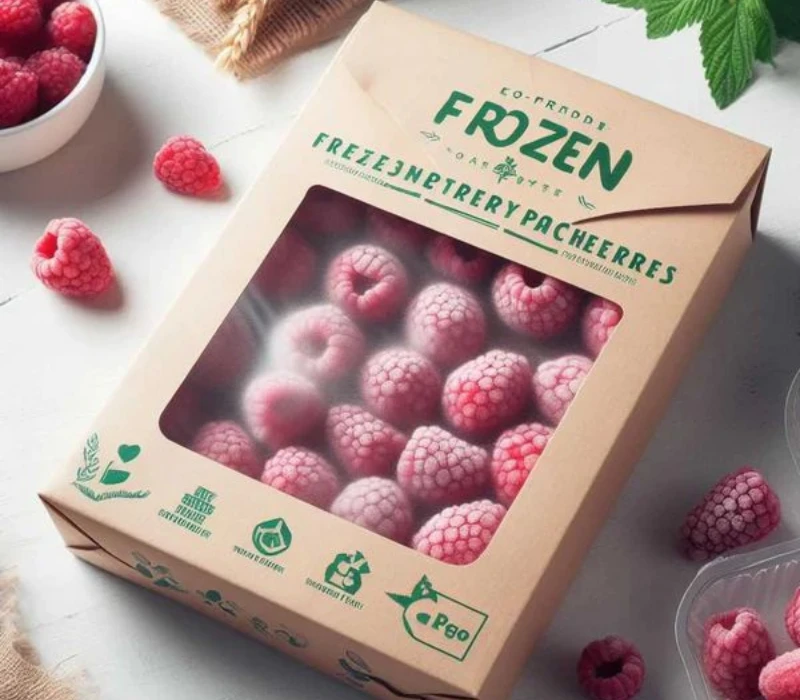
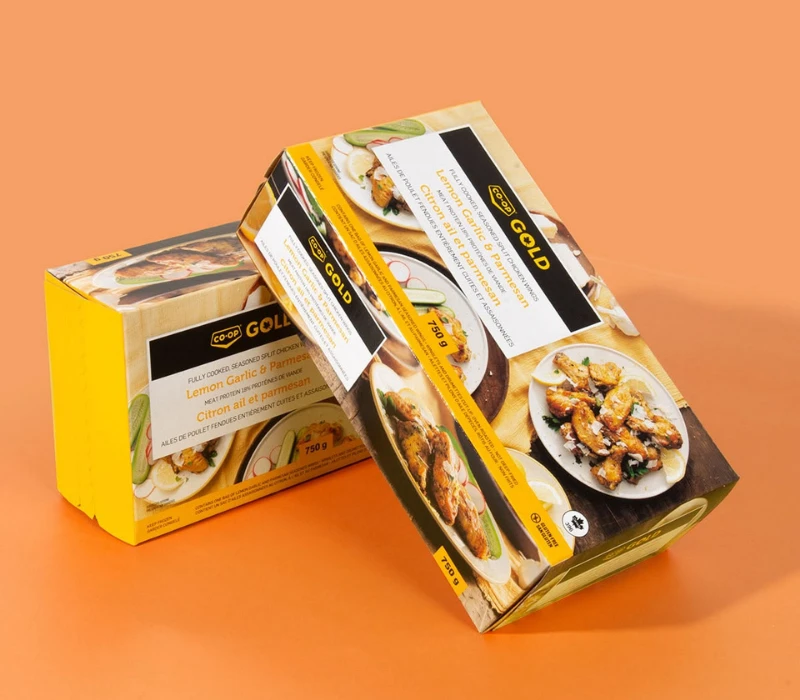
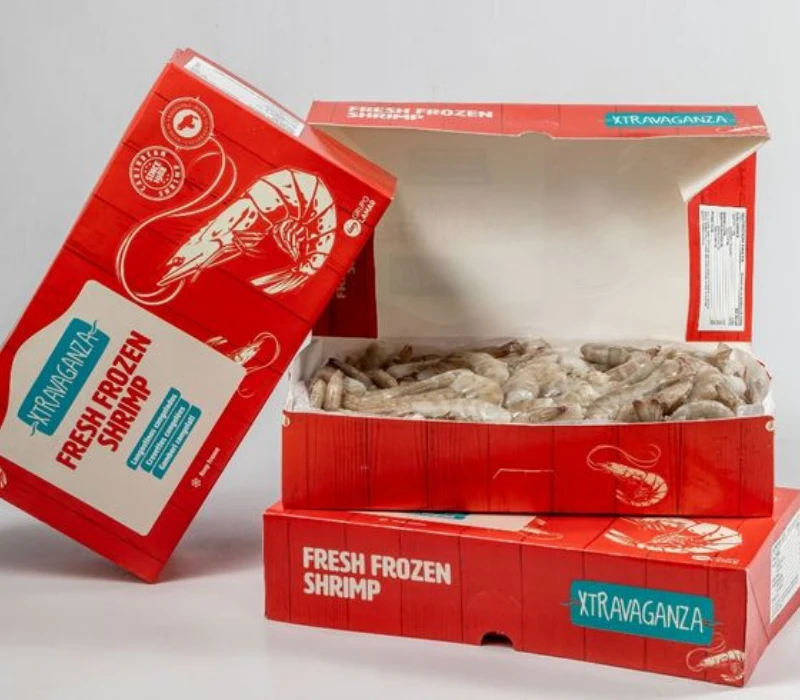
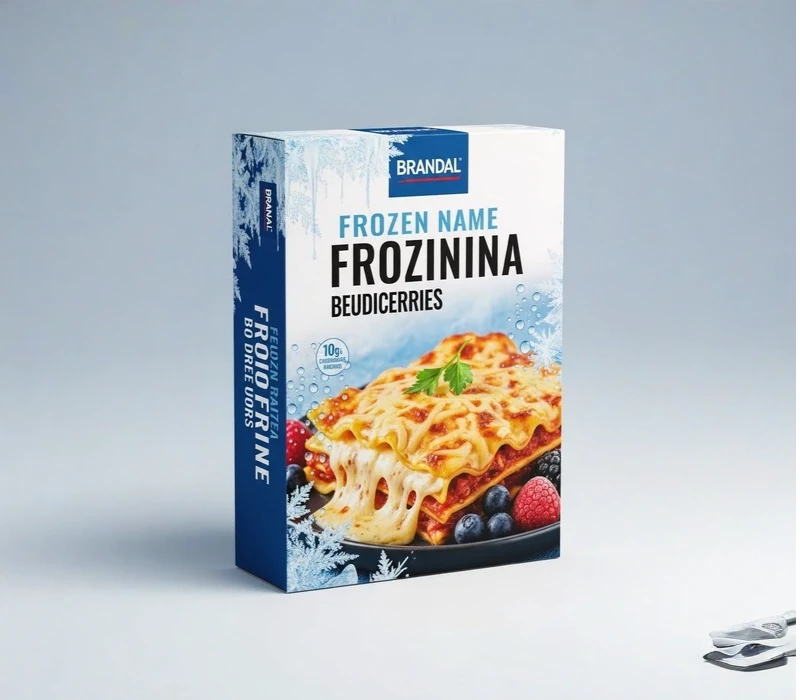
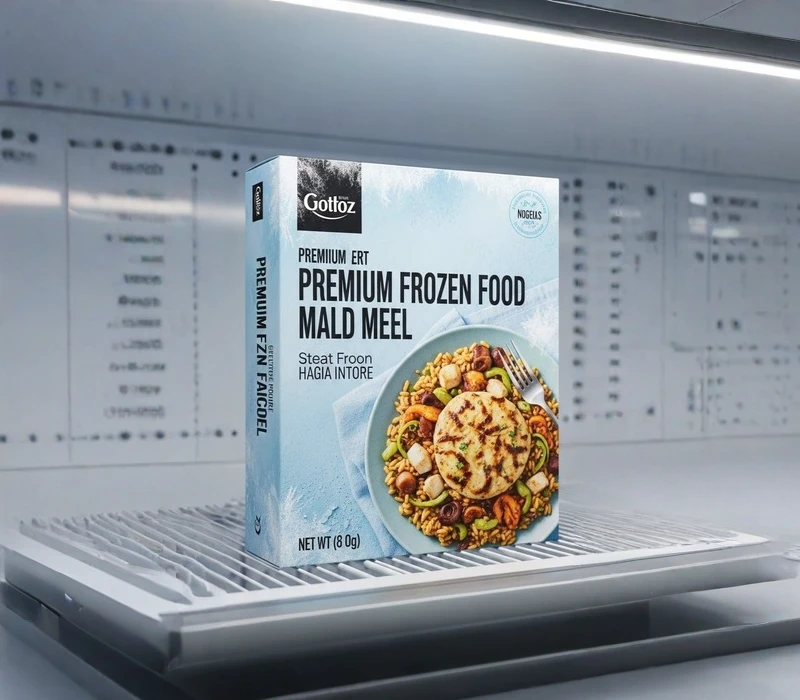
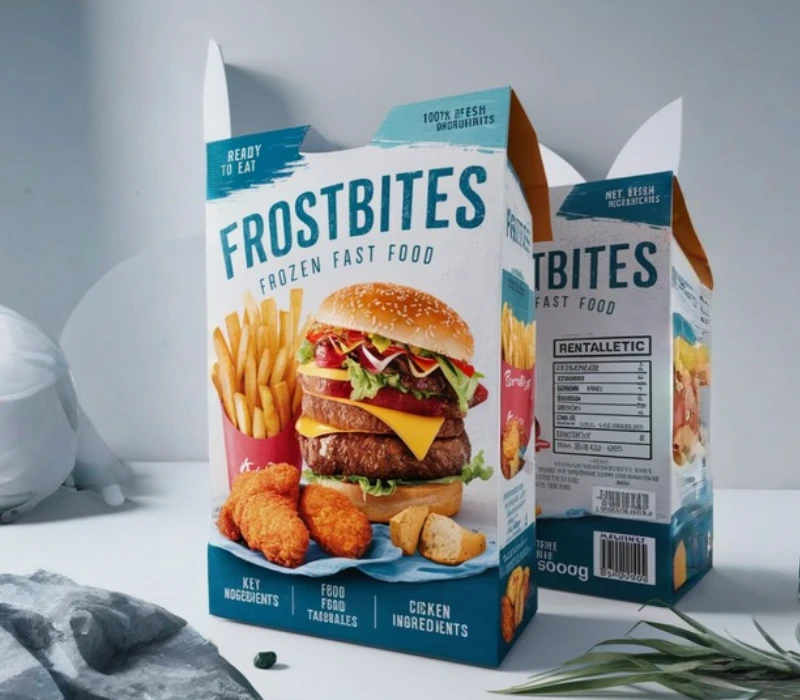
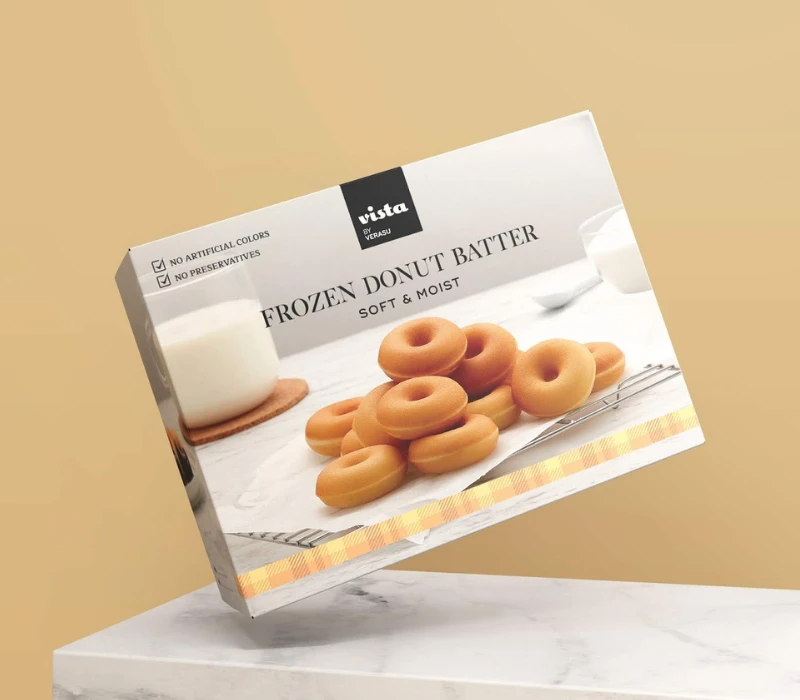
Paperboard cartons are still widely used for frozen pizzas, ready meals, desserts and other products that benefit from a rigid outer structure. They offer good printability and a large surface for branding, nutritional information, preparation instructions and product photography.
But paperboard alone may not provide the moisture resistance many frozen foods require. It is therefore often used in combination with an inner bag, liner, coating or other protective structure.
Source: in.pinterest.com
Source: in.pinterest.com
Source: in.pinterest.com
Source: in.pinterest.com
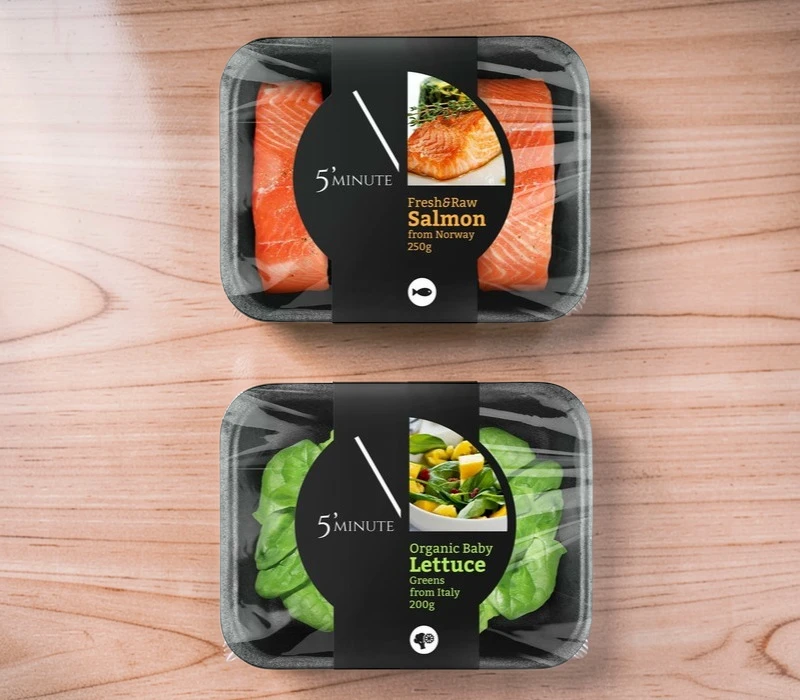
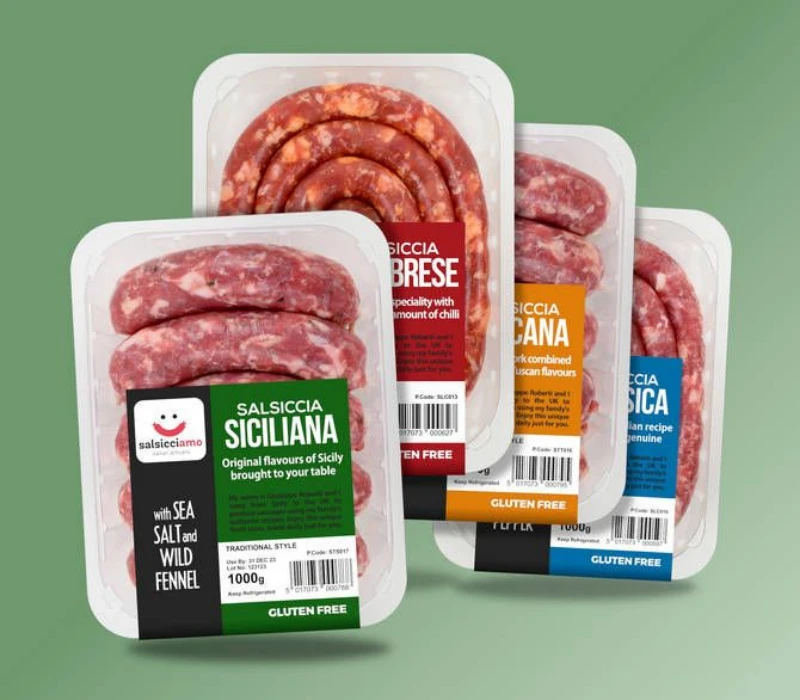
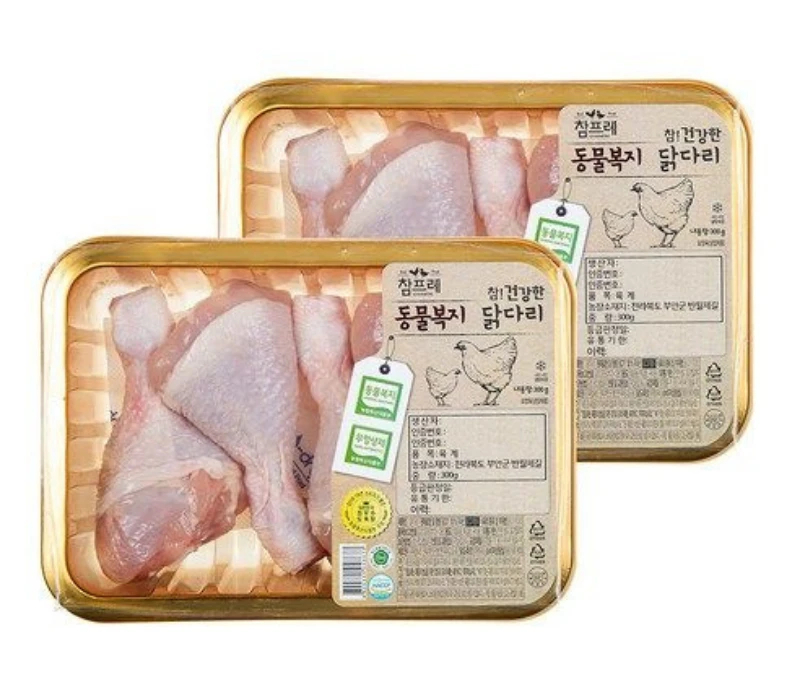
Rigid Plastic Trays
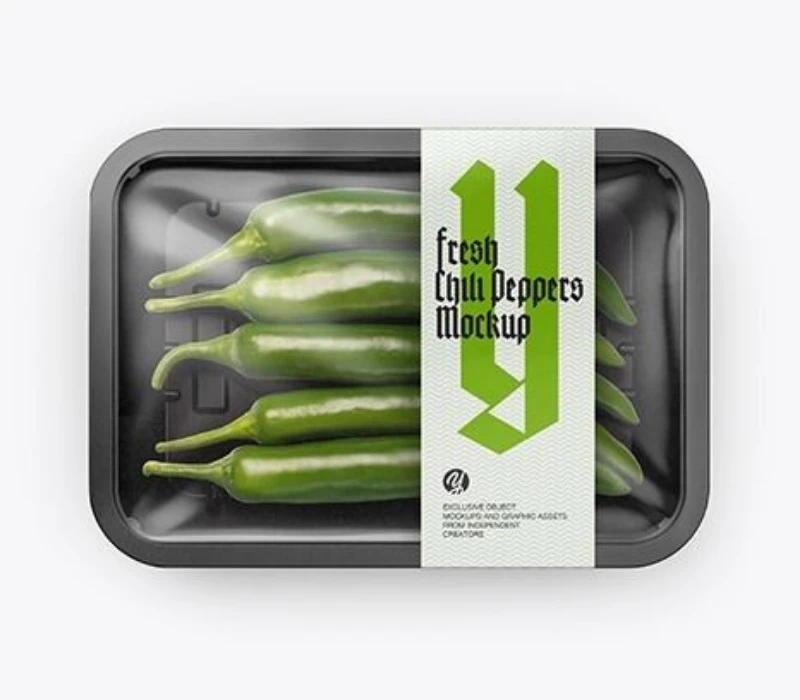
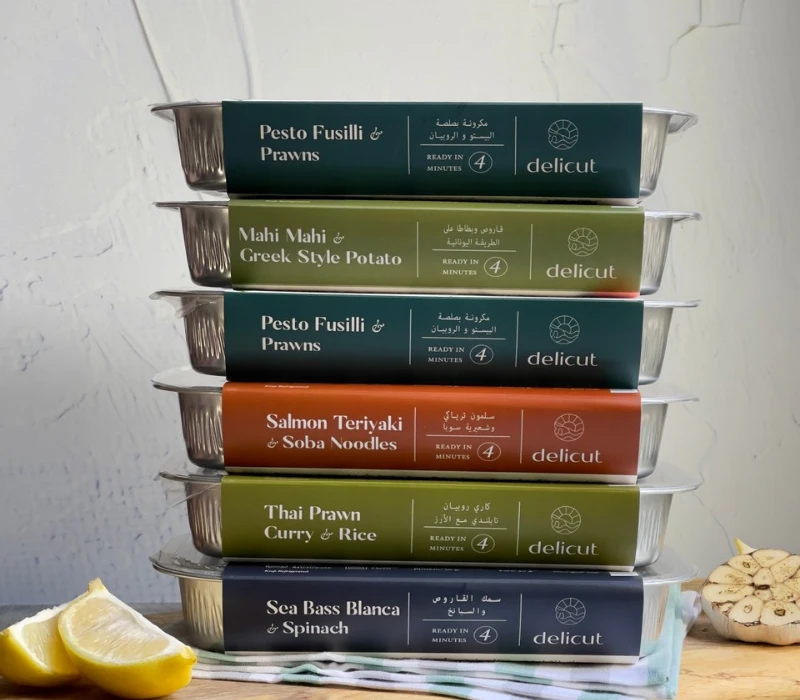
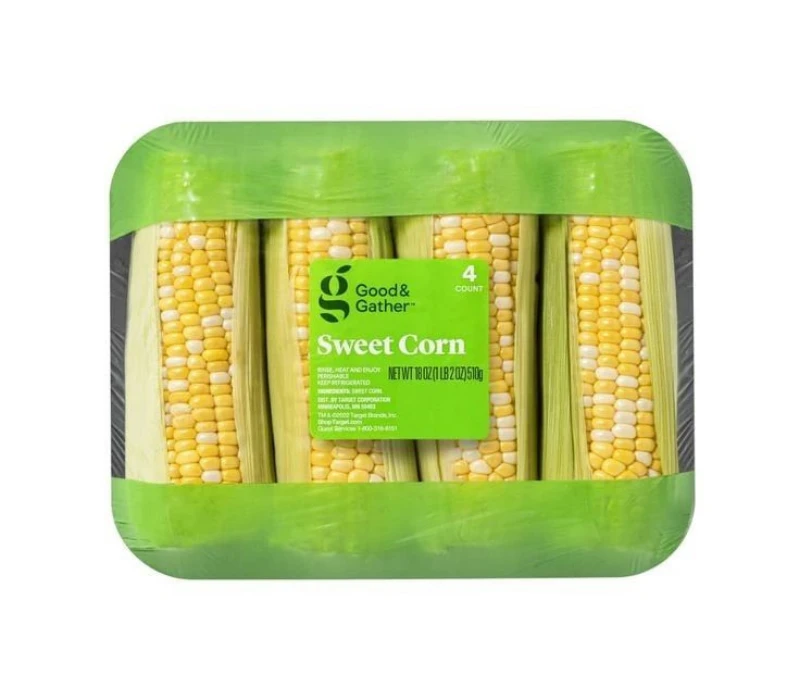
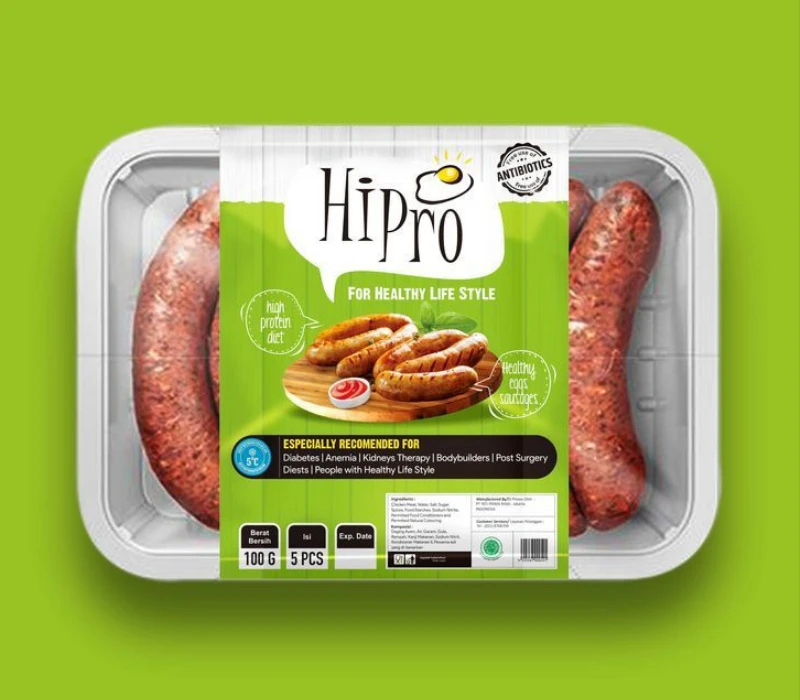
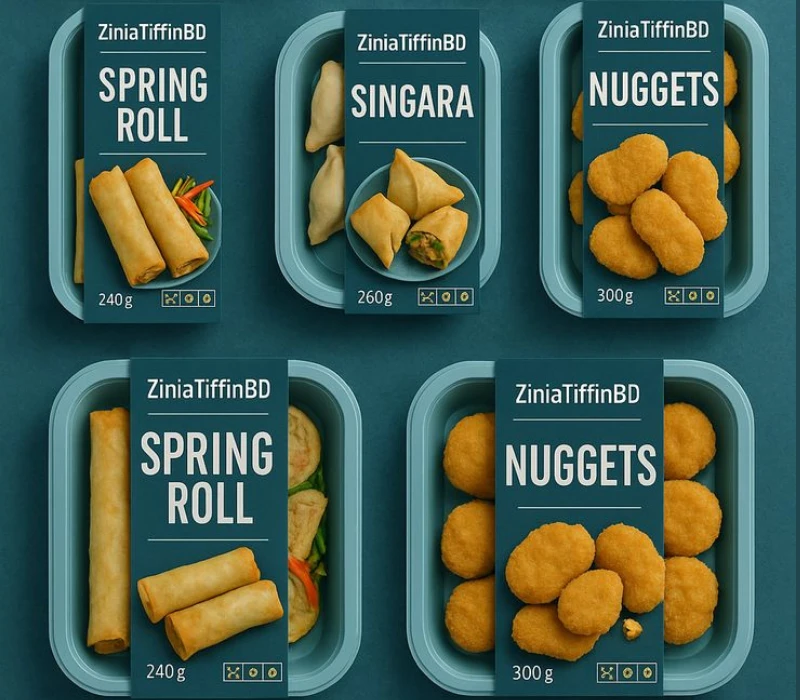
Semi-rigid or rigid trays are frequently used for packaging prepared foods and products that require additional structural support. Trays can be sealed with flexible lidding films and designed for convenient storage or reheating, depending on the packaging system.
They’re rigid, which helps prevent food from being crushed, and allows manufacturers to control portion size and presentation.
Source: in.pinterest.com
Source: in.pinterest.com
Source: in.pinterest.com
Source: in.pinterest.com
Protection from Moisture & Oxygen
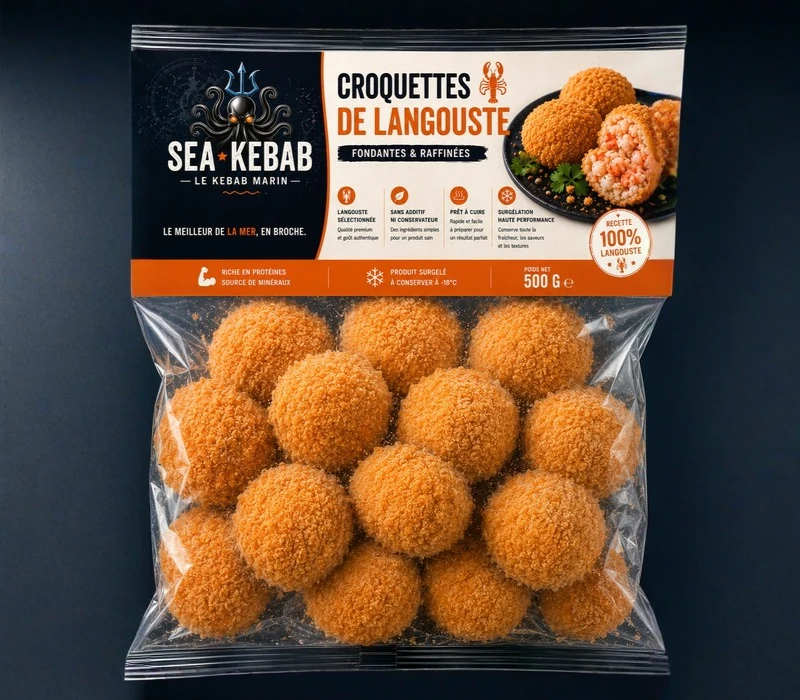
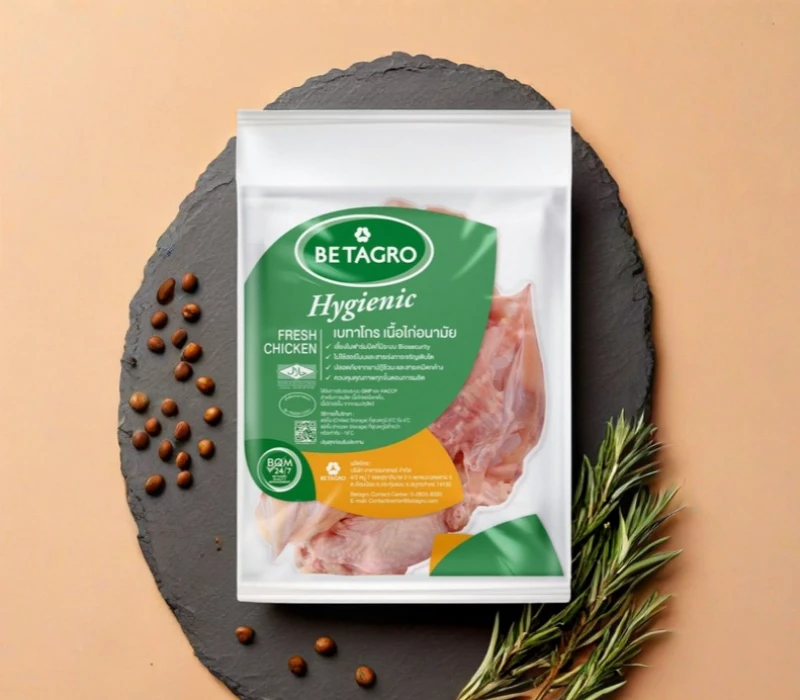
A good moisture barrier helps to reduce dehydration and freezer burn. This is especially true for foods that are expected to undergo long-term freezing.
Oxygen protection may also be relevant for products containing fats, meat, fish or ingredients sensitive to oxidation. The right barrier structure can help to retain flavor, appearance and overall product quality for the required shelf life.
Source: in.pinterest.com
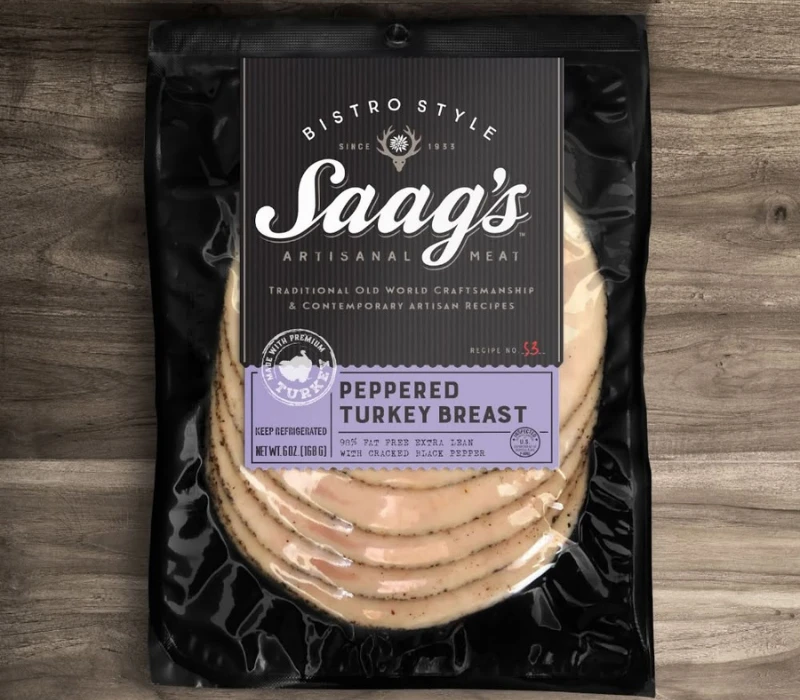
Source: in.pinterest.com
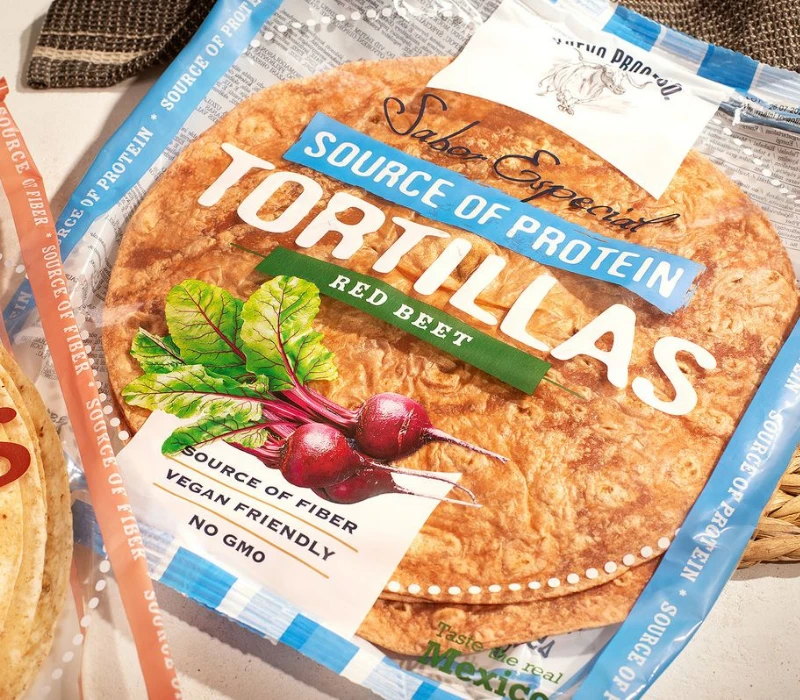
Source: in.pinterest.com
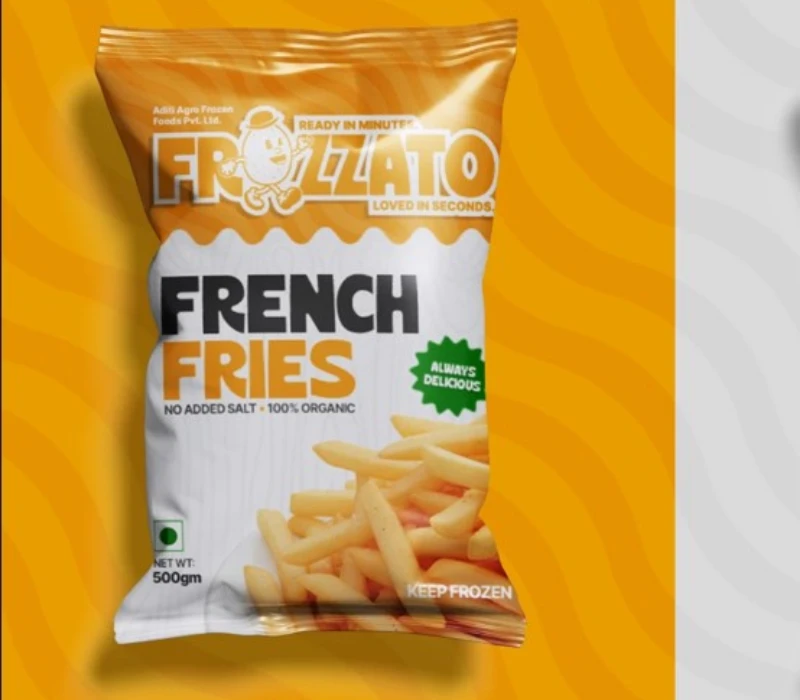
Source: in.pinterest.com
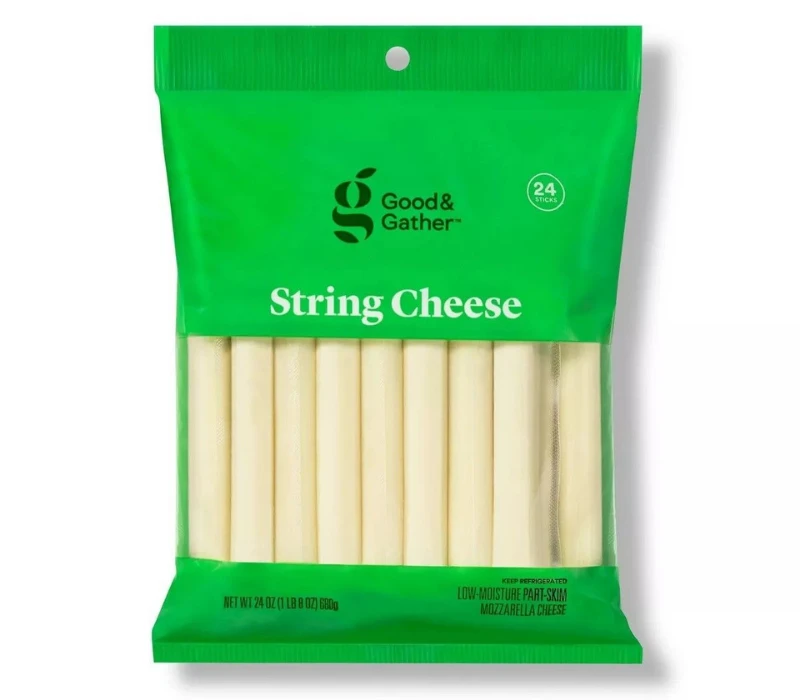
Seal Integrity Can Make or Break the Pack
“It’s not going to stay properly sealed if the film is high performing. So, seal integrity is a key element of performance in frozen packaging.
The seal must be resistant to production, freezing, transportation, stacking and consumer handling without opening before time. The process can be complicated by frost, oils or moisture at the sealing area, or even food particles, and calls for careful package and production-line design.
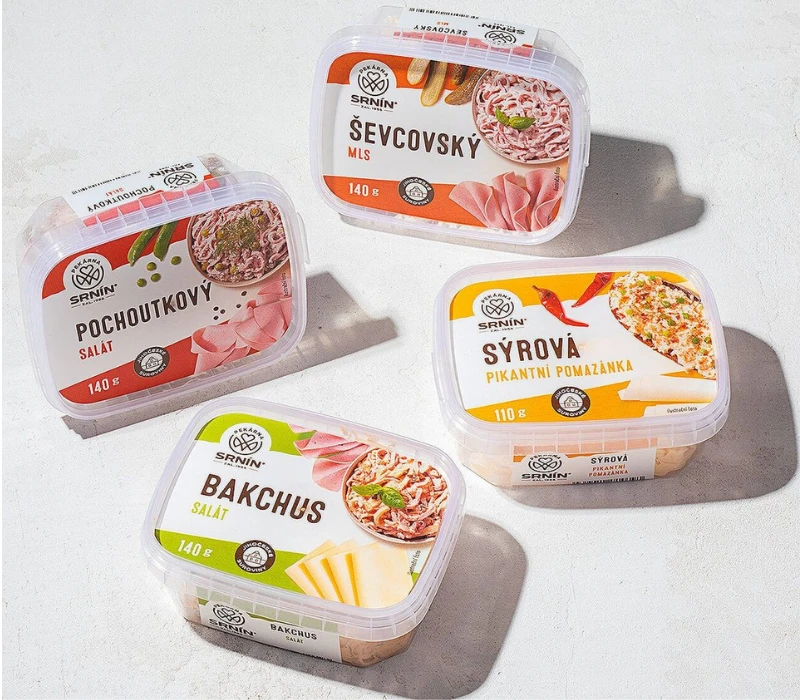
Source: in.pinterest.com
Source: in.pinterest.com
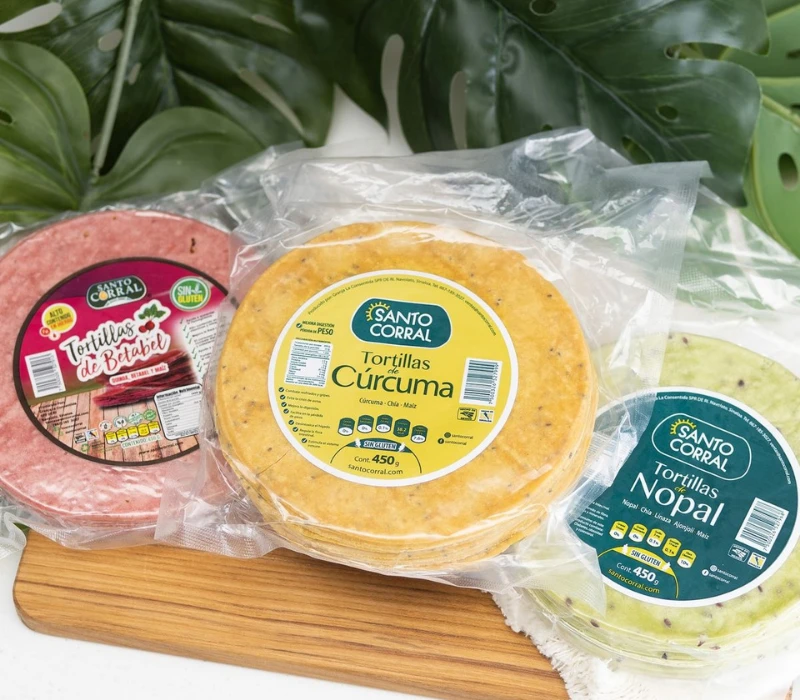
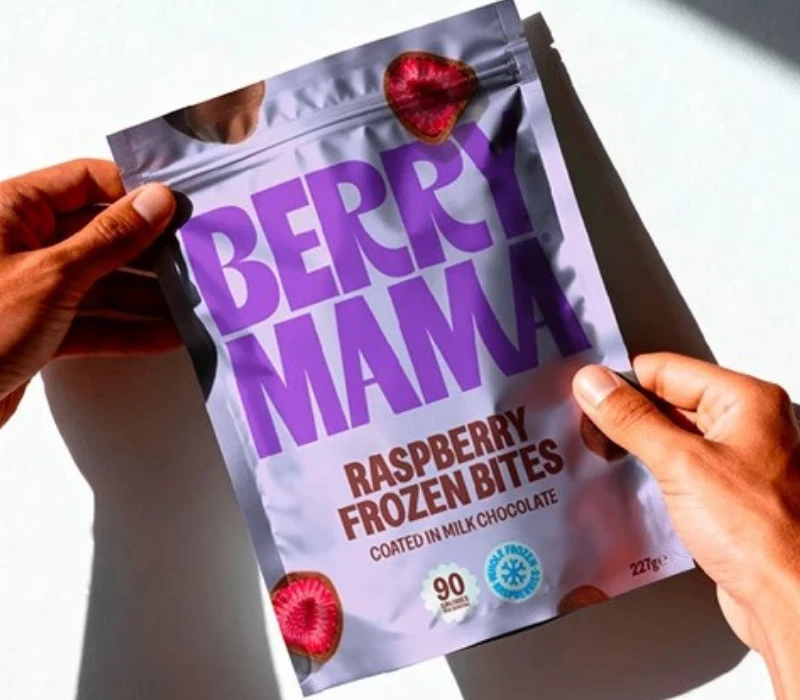
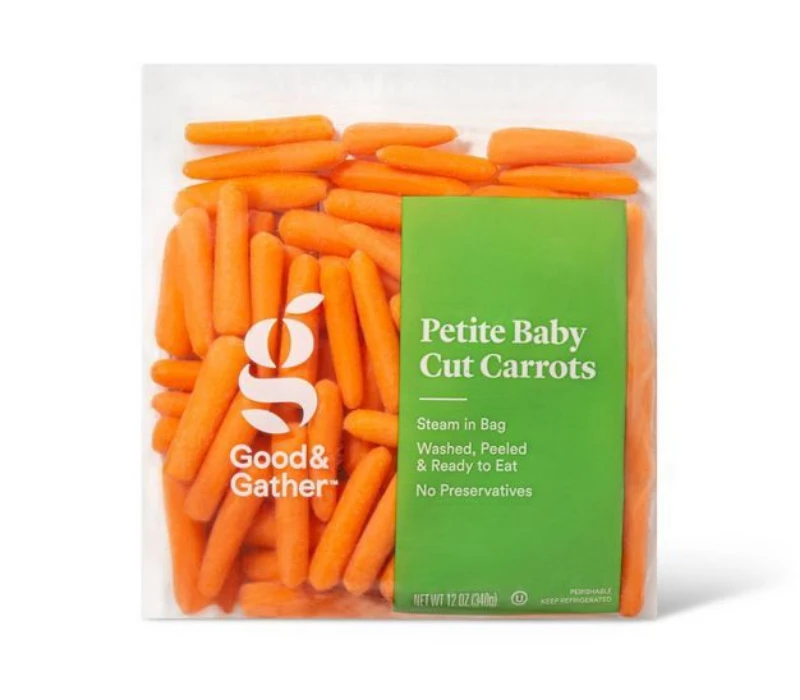
Resistance to puncture and tear
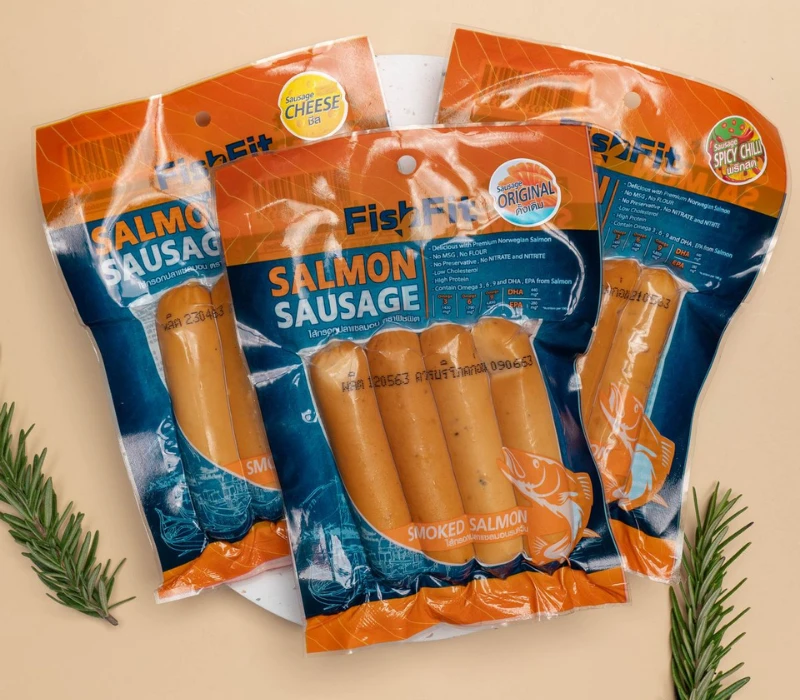
Frozen foods are not always easy. Packaging can be under a lot of stress from products such as bone-in meats, seafood, fries and irregular shaped vegetables.
Materials must be puncture and tear resistant to withstand filling and distribution. A tiny hole can compromise the barrier long before the consumer sees the damage.
Source: in.pinterest.com
Source: in.pinterest.com
Source: in.pinterest.com
Source: in.pinterest.com
Packaging for Practical Use
Good packaging design is more than just technical performance. Consumers still need to be able to identify, store, open, prepare and, in some cases, re-close the product easily.
Source: in.pinterest.com
Source: in.pinterest.com
Convenience in the Kitchen
Features such as easy-open, resealable closures, clear cooking instructions, portion guidance and microwave-compatible formats can improve everyday usability. For larger, multiple-use packs, a good resealable closure can also help keep the remaining food protected after opening.
Design decisions should be based on how people use frozen products, not on how the package looks on a design screen.
Source: in.pinterest.com
Source: in.pinterest.com
Source: in.pinterest.com
Source: in.pinterest.com
Printing and branding in the freezer aisle
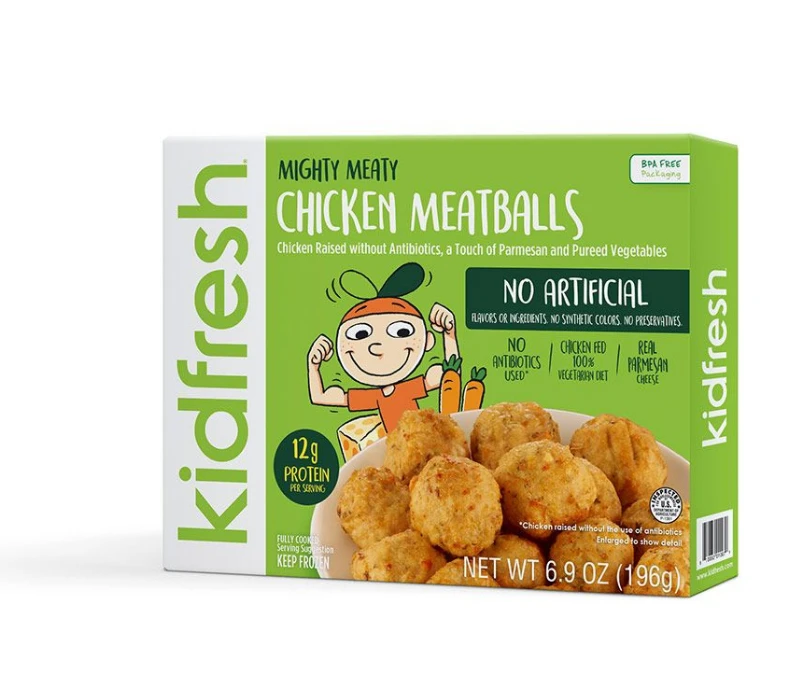
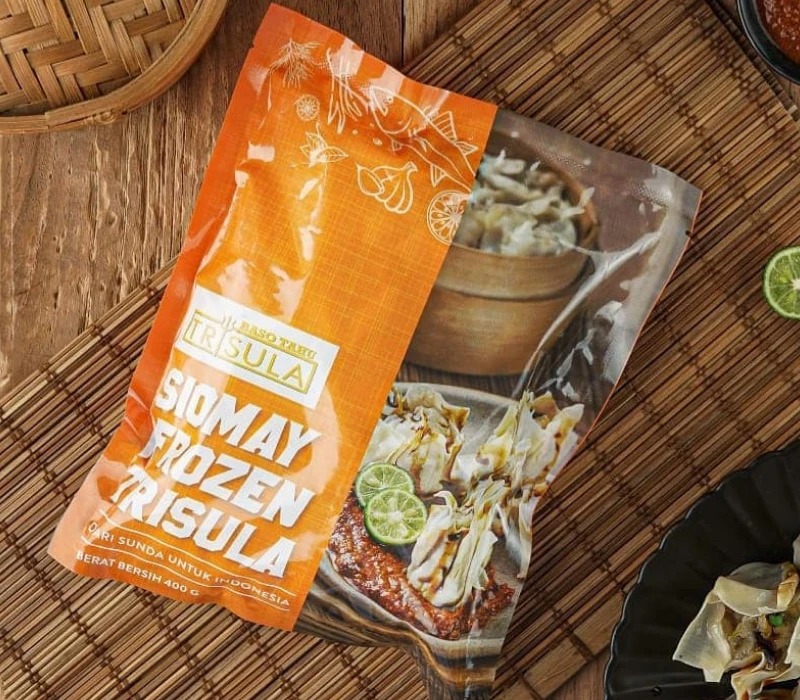
The freezer aisle is a visual contest. Packaging must speak quickly, and may be visible thru freezer doors or under frost and condensation.
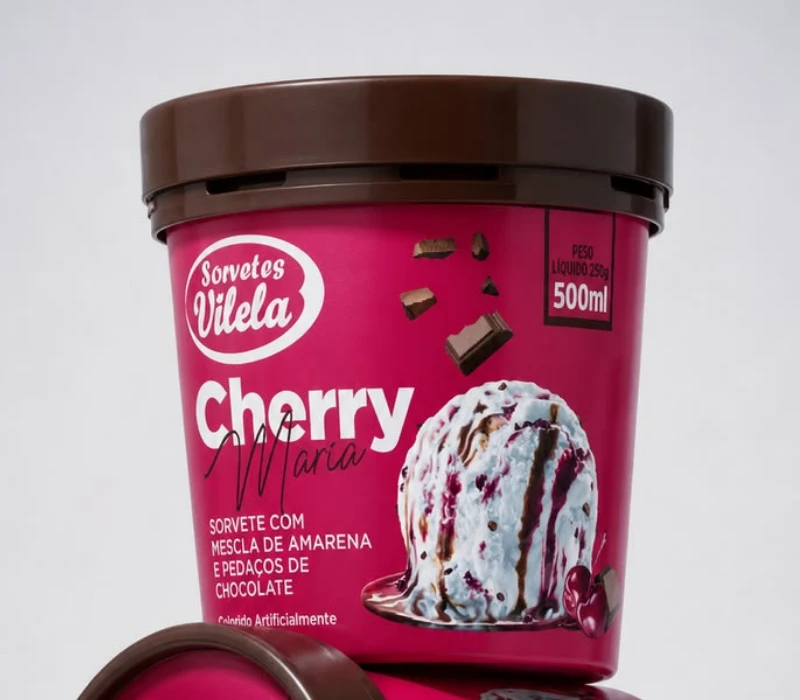
Clear product imagery, readable typography, identifiable flavor and visible preparation information can make the pack easier to understand. Branding should never take precedence over important information, such as how to store or cook the product.
Source: in.pinterest.com
Source: in.pinterest.com
Condensation and Handling Design
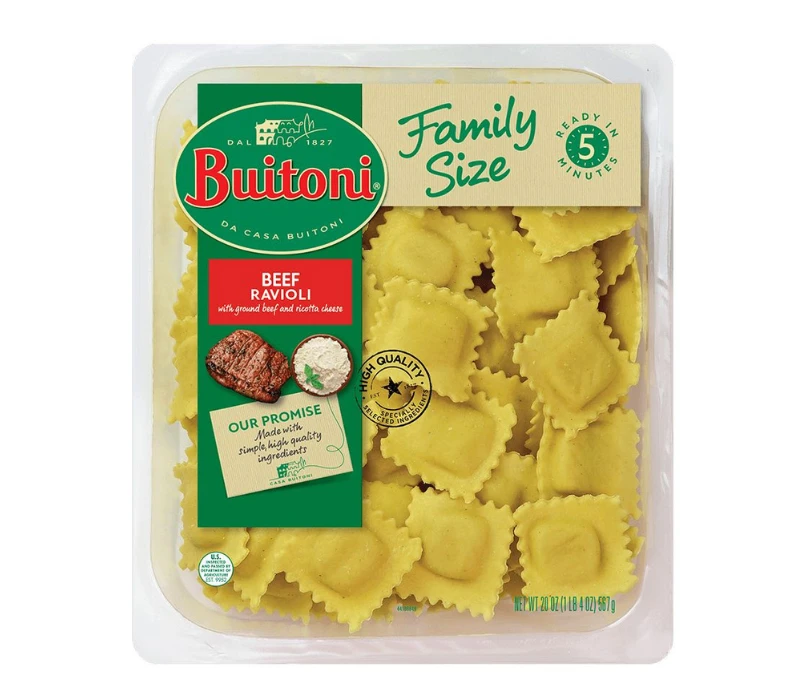
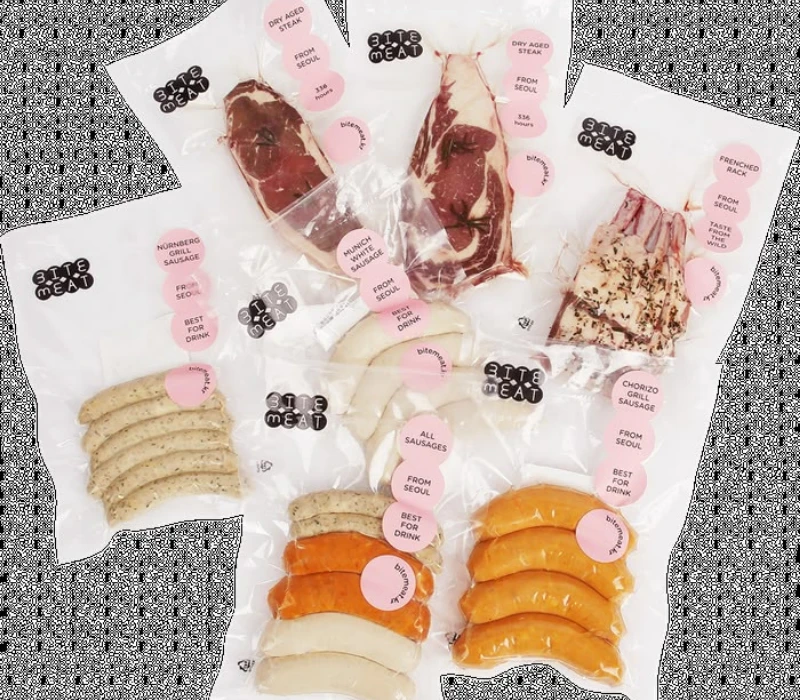
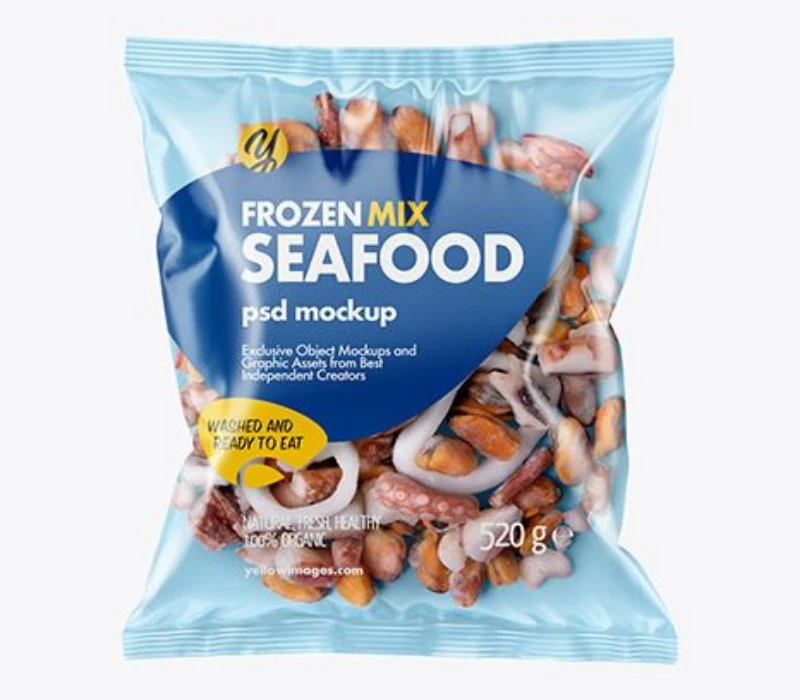
Temperature fluctuations may occur during distribution or consumer handling of frozen products. If materials and printing systems are not chosen properly, condensation can affect the appearance of secondary packaging and reduce readability.
Therefore graphics, coatings, inks, and substrates need to work as a complete packaging system
Source: in.pinterest.com
Source: in.pinterest.com
Source: in.pinterest.com
Source: in.pinterest.com
Sustainability is changing frozen packaging.
Sustainability has become one of the major concerns, but reducing packaging material is not necessarily the most sustainable choice. The environmental benefit may be void if the lighter package results in food waste, damage or a shorter shelf life.
Source: in.pinterest.com
Source: in.pinterest.com
Moving toward Smarter Material Choices
Brands are exploring packaging formats that are optimized for recovery, responsible sourced fiber, reduced material usage and recyclable mono-material structures. The challenge is to improve the environmental performance, but at the same time maintain barrier properties, seal strength, durability and food safety”.
Best sustainability for frozen foods comes from combining packaging efficiency with product protection.
Source: in.pinterest.com
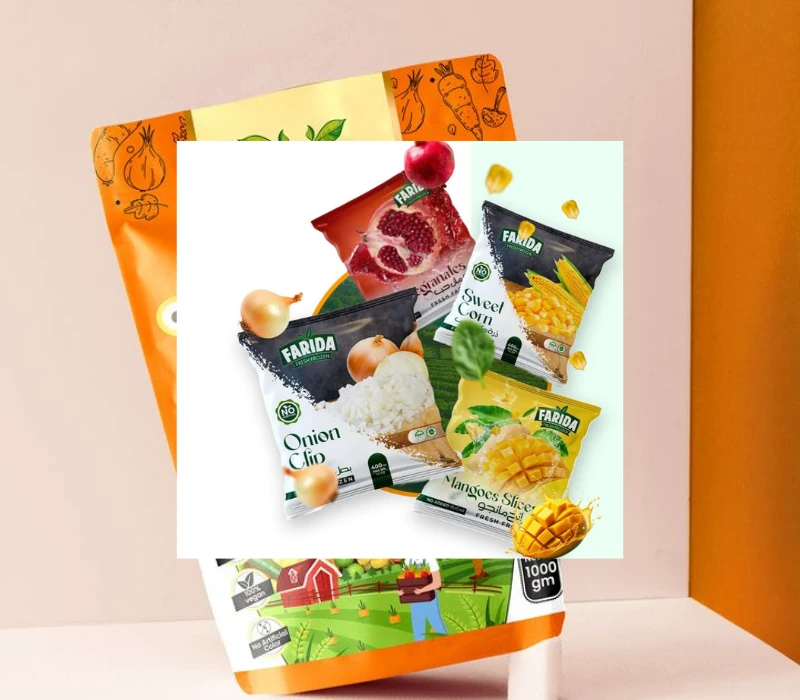
Source: in.pinterest.com
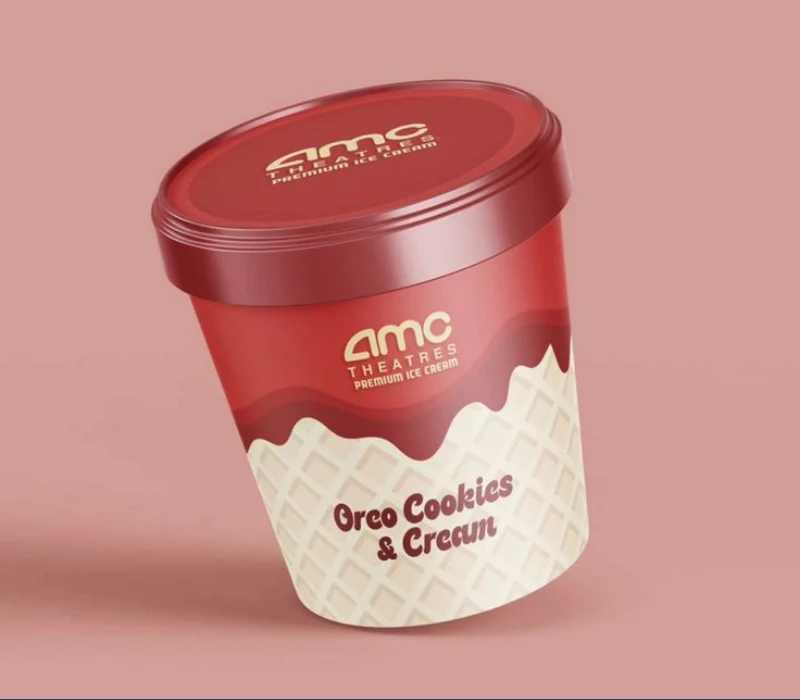
Source: in.pinterest.com
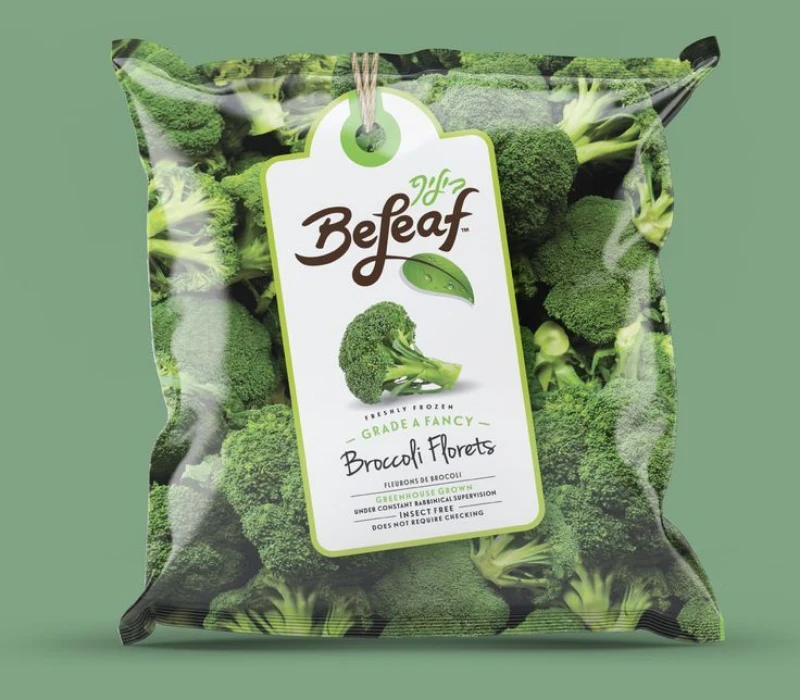
Source: in.pinterest.com
All decisions should be performance driven.
Packaging for frozen foods needs to be a single cohesive system that successfully combines material science, structural engineering, production constraints, branding, user friendliness and environmental concerns. The package must survive distribution and low temperatures, protect the food, and remain user friendly.
The most effective packaging solutions are rarely those that focus on just one feature. They balance the integrity of the seal, barrier performance, durability, usability, visual communication and responsible use of materials. Bringing these components together, packaging is more than a container of frozen food; it helps to preserve the quality consumers expect when opening the freezer