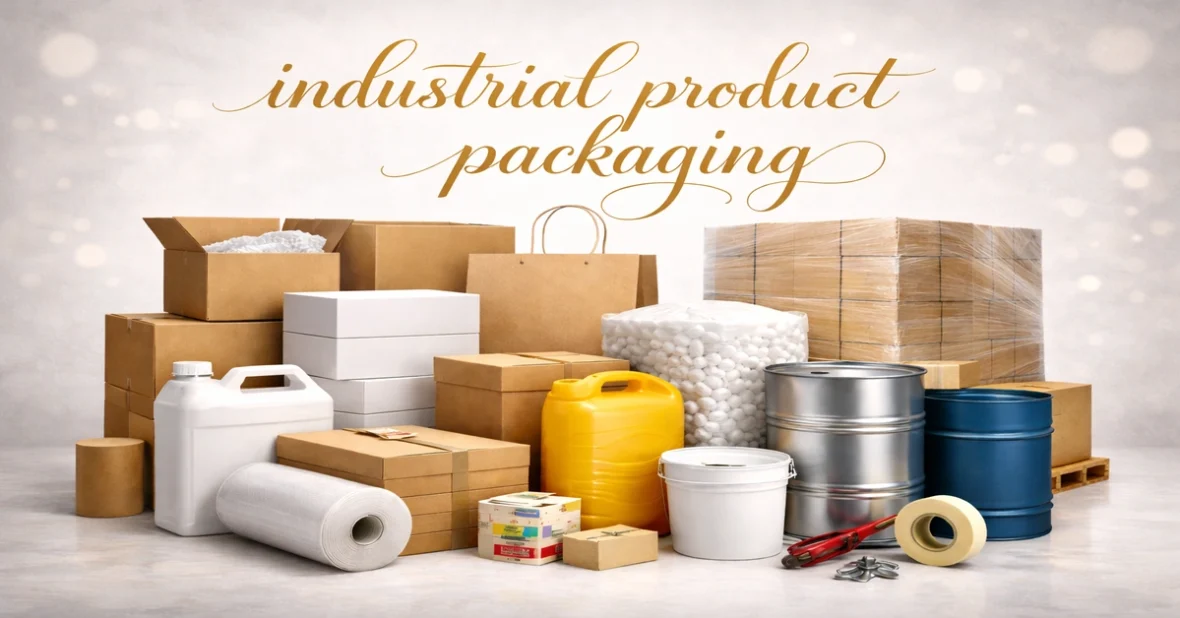
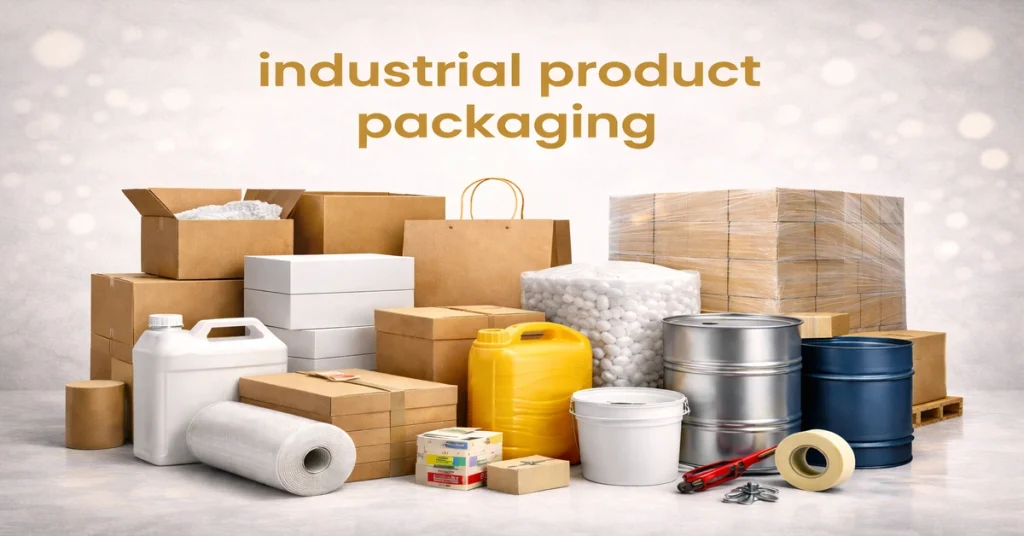
Industrial product packaging is rarely about attraction alone. Unlike retail or FMCG packaging, it carries a much heavier responsibility. It must protect complex products, communicate technical information clearly, and reflect the reliability of the brand behind it. In industrial sectors, packaging is not decoration; it is part of the product experience itself.
From machinery parts and electrical components to chemicals and construction materials, industrial product packaging plays a critical role in ensuring safety, usability, and long-term brand credibility. When designed thoughtfully, it becomes a silent assurance of quality, professionalism, and engineering precision.
Why Industrial Product Packaging Demands a Different Design Mindset
Industrial products are purchased based on logic, trust, and performance rather than impulse. Buyers often include engineers, procurement managers, factory owners, and technicians. Their expectations from packaging are very different from everyday consumers.
Industrial product packaging must protect against physical damage, moisture, corrosion, contamination, and mishandling during transportation and storage. At the same time, it must communicate technical specifications, compliance standards, handling instructions, and traceability information without confusion.This is where professional packaging design becomes essential. The design must be structured, readable, and purposeful while still reflecting brand authority.
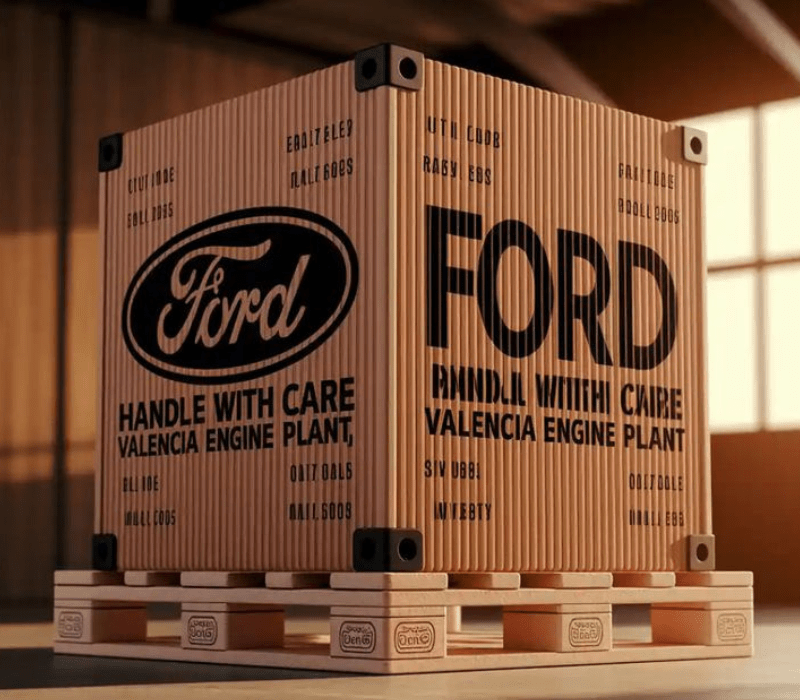
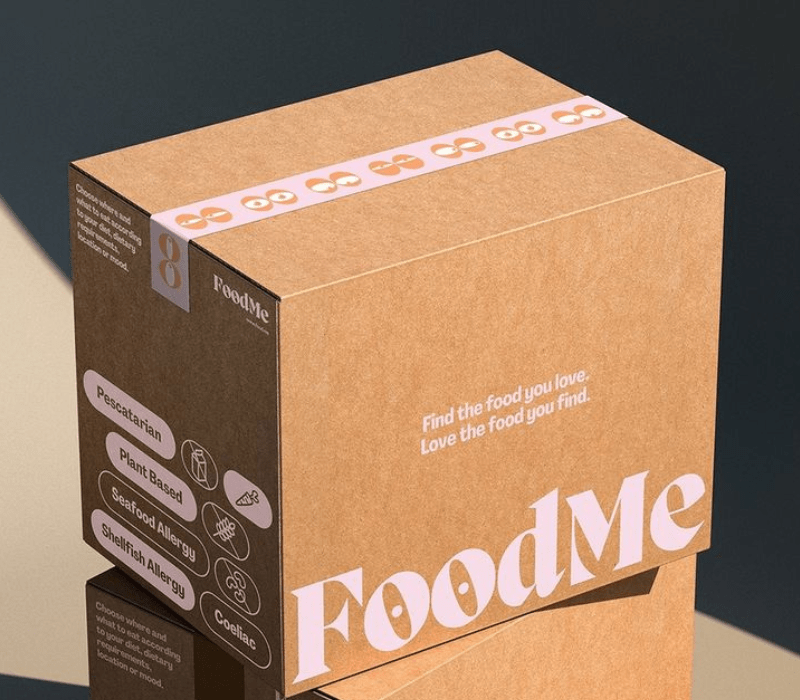
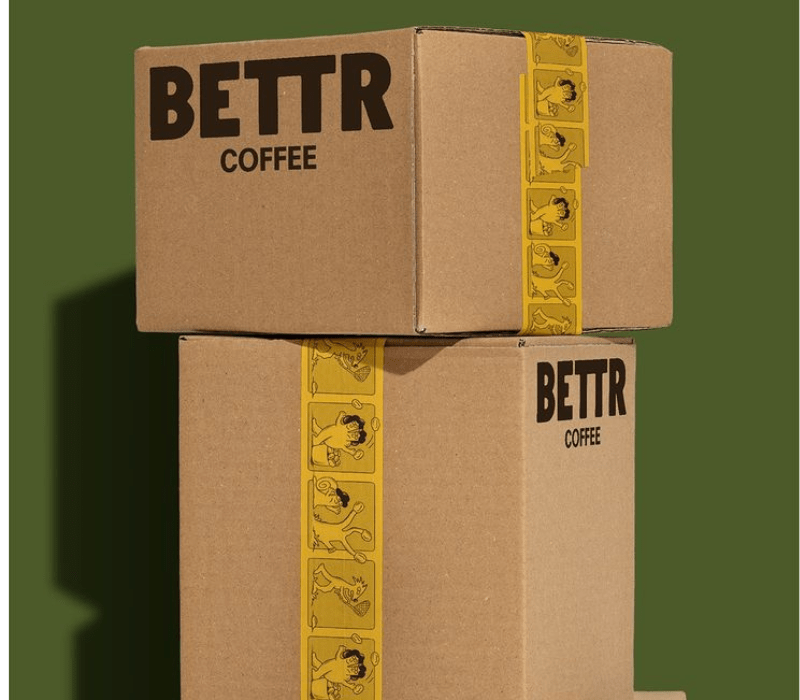

The Role of Packaging in Industrial Brand Trust
In industrial markets, trust is built slowly and lost quickly. Packaging is one of the first physical touchpoints a buyer experiences. If the packaging feels weak, unclear, or poorly executed, it immediately raises doubts about the product inside.
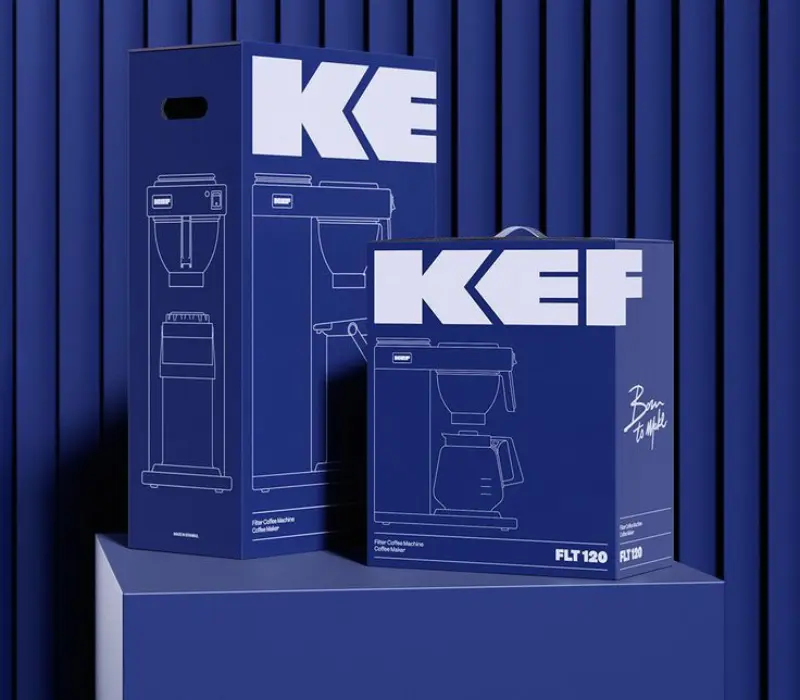
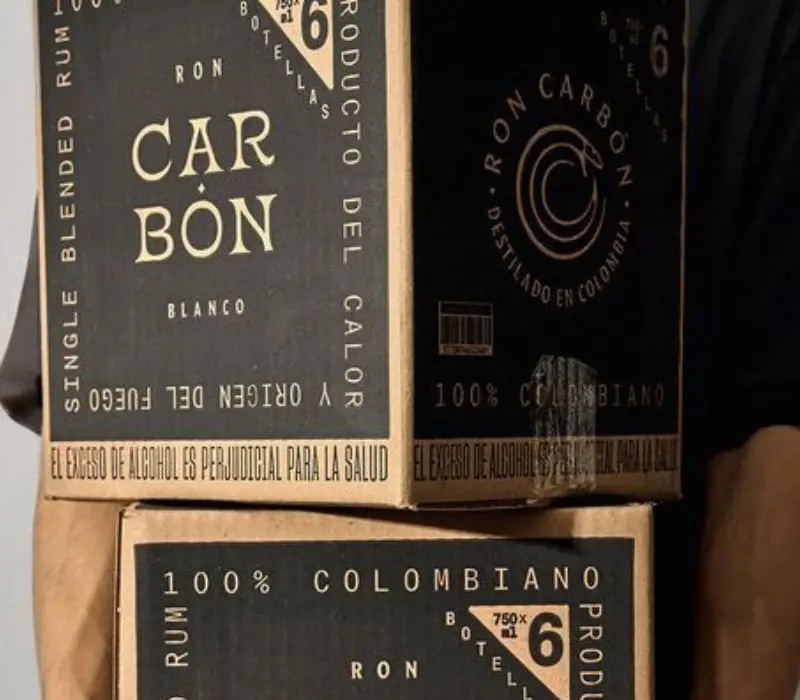
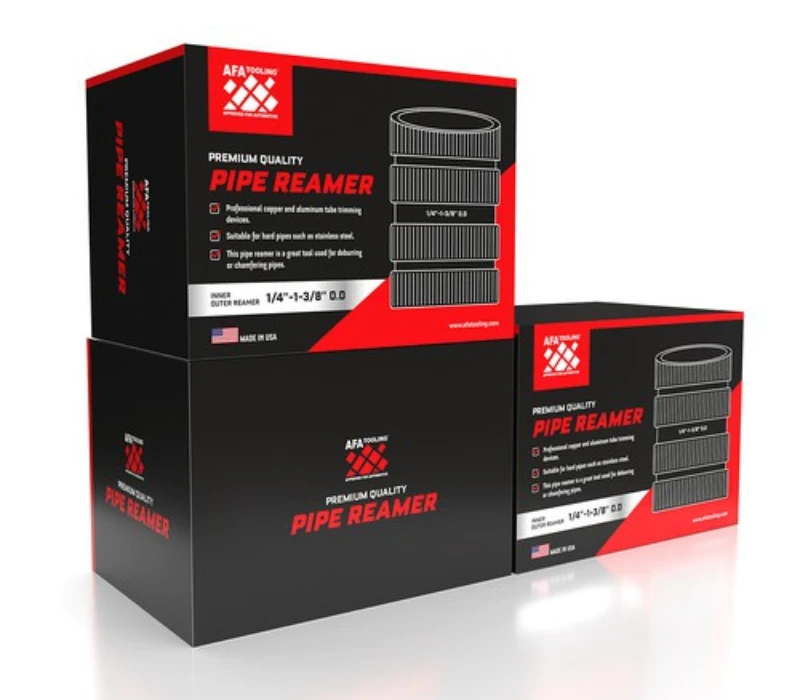
Strong industrial product packaging communicates reliability even before the product is used. Clean layouts, clear labeling, durable materials, and consistent branding tell the buyer that the manufacturer understands real-world industrial challenges.
Functional Foundations of Industrial Product Packaging
Protection and Structural Integrity
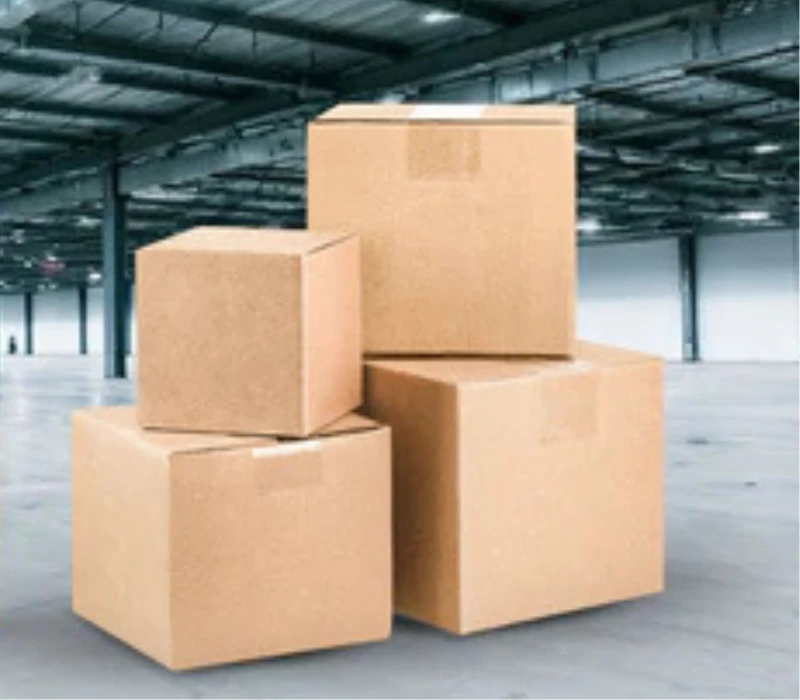
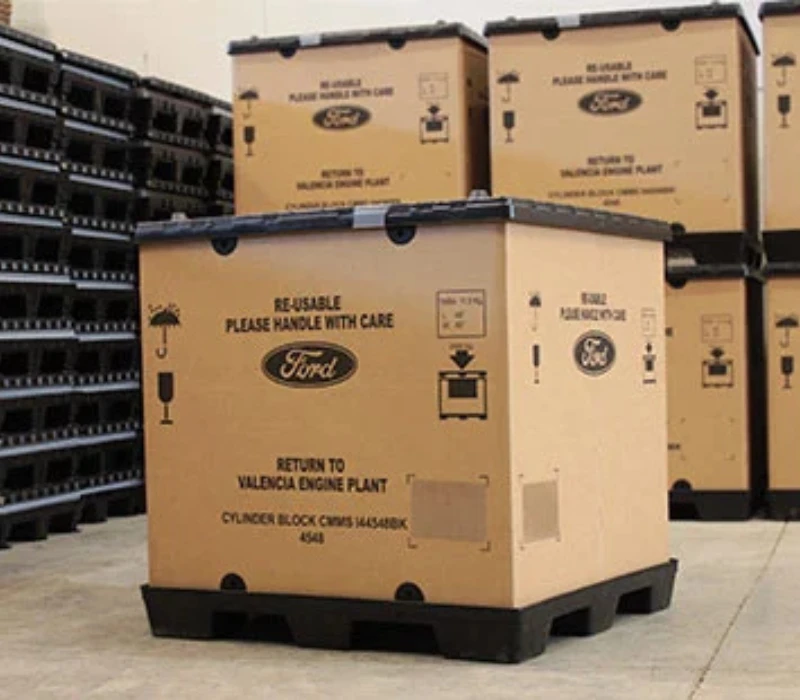
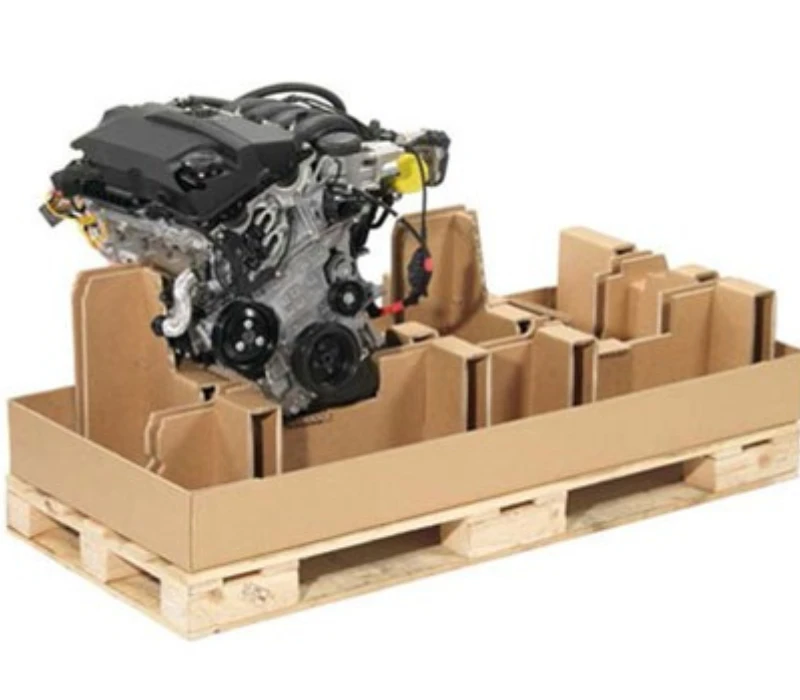
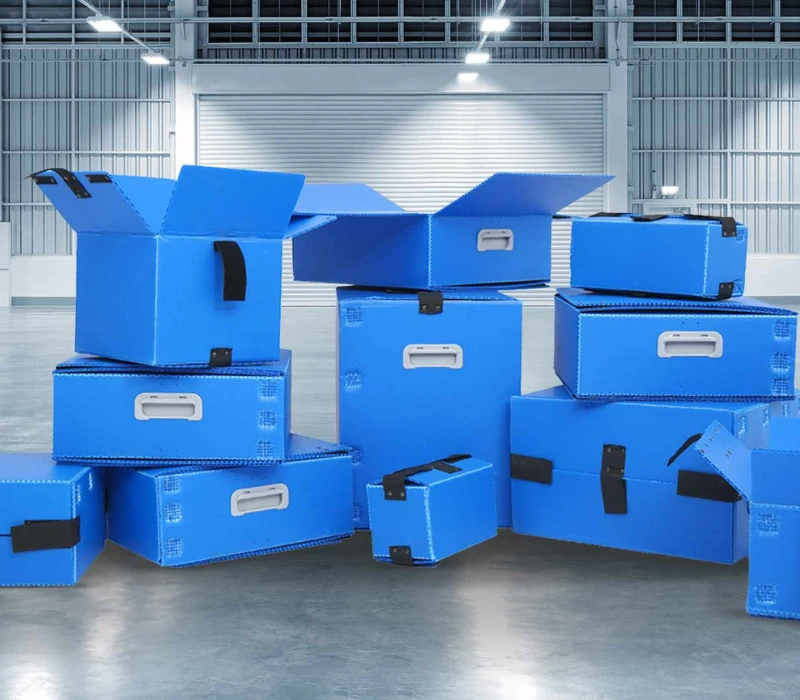
The primary role of industrial product packaging is protection. Packaging must withstand long-distance transportation, repeated handling, stacking pressure, and environmental exposure. Corrugated boxes, wooden crates, molded inserts, and heavy-duty laminates are often chosen based on product weight and fragility.
Design decisions here are driven by engineering logic rather than visual trends, but smart packaging design ensures that strength and clarity work together.
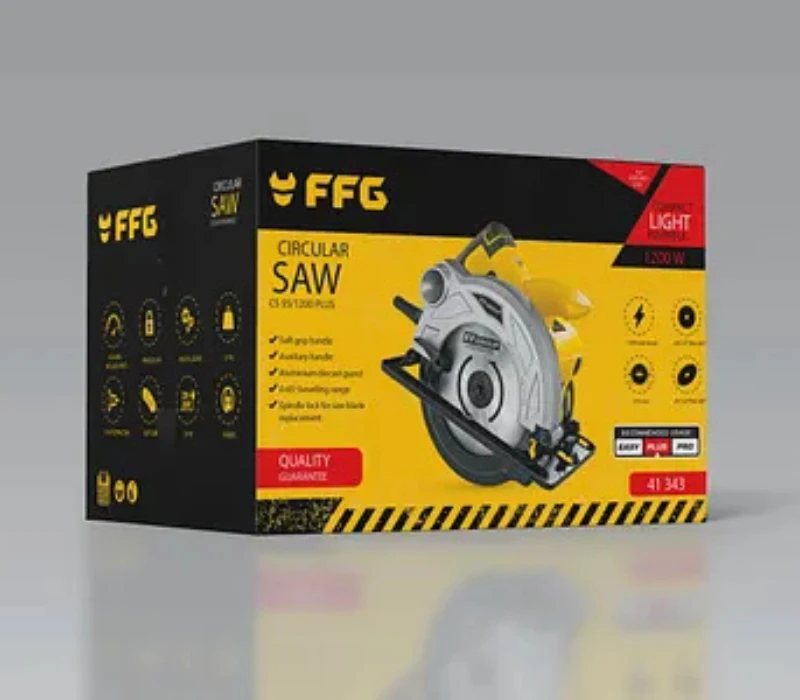

Information Accuracy and Clarity
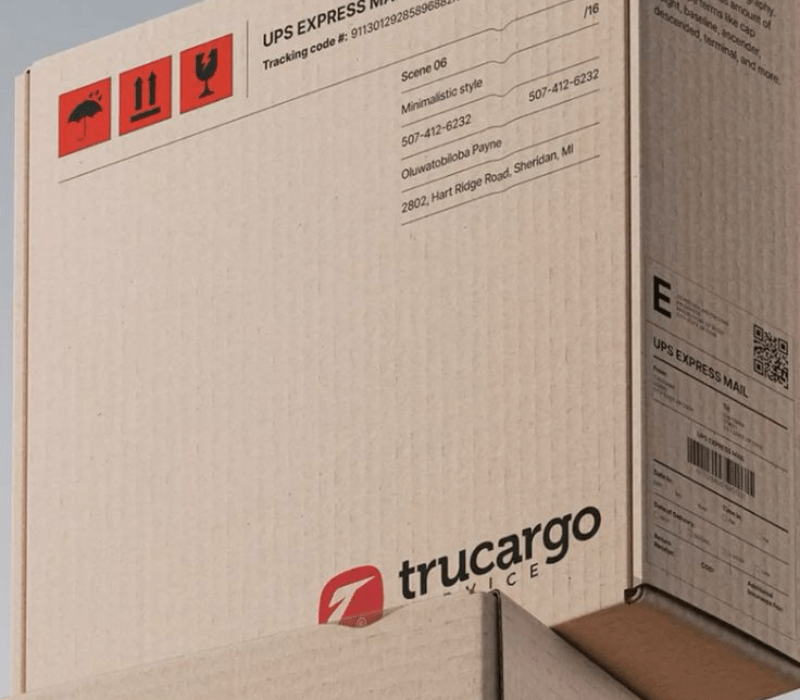
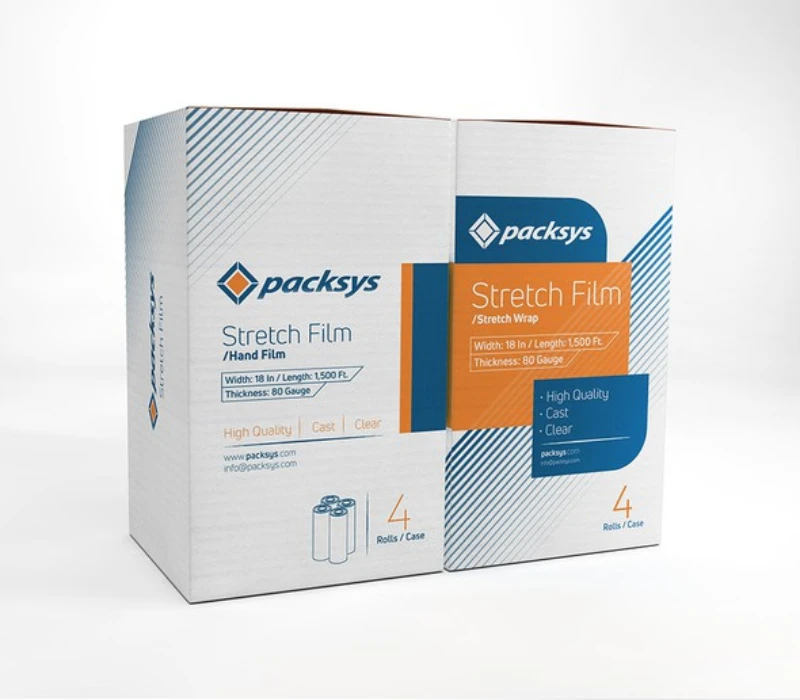
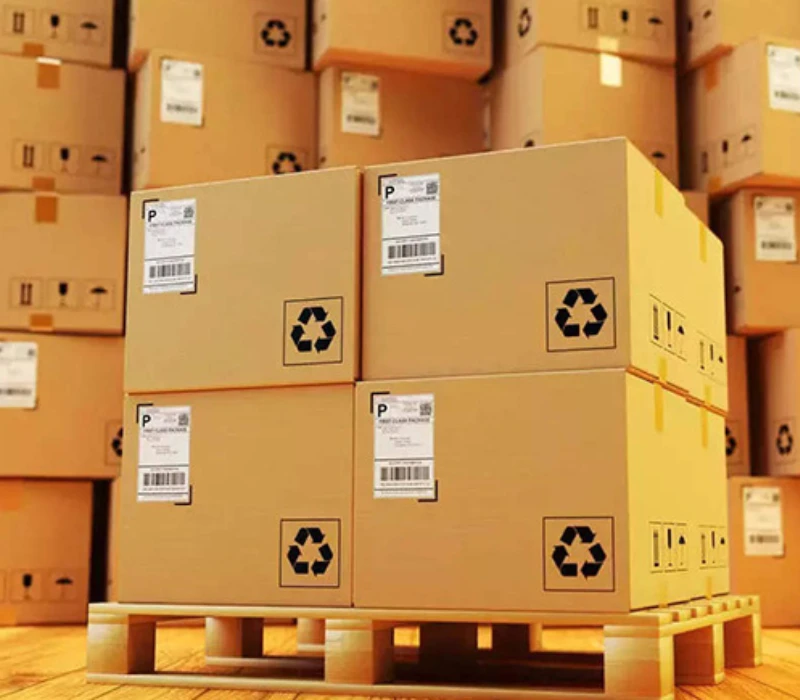
Industrial packaging carries critical information. Product codes, batch numbers, technical data, safety warnings, certifications, and handling symbols must be displayed clearly and consistently.
This is where a well-planned box Label Design becomes essential. It ensures that information is readable, logically placed, and compliant with industry standards without cluttering the packaging.

Visual Design in Industrial Packaging Still Matters
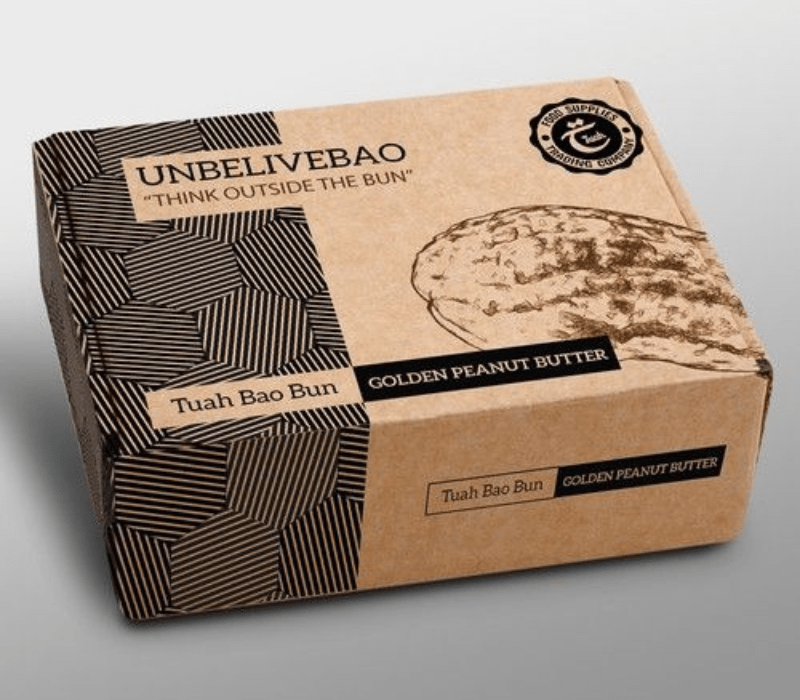
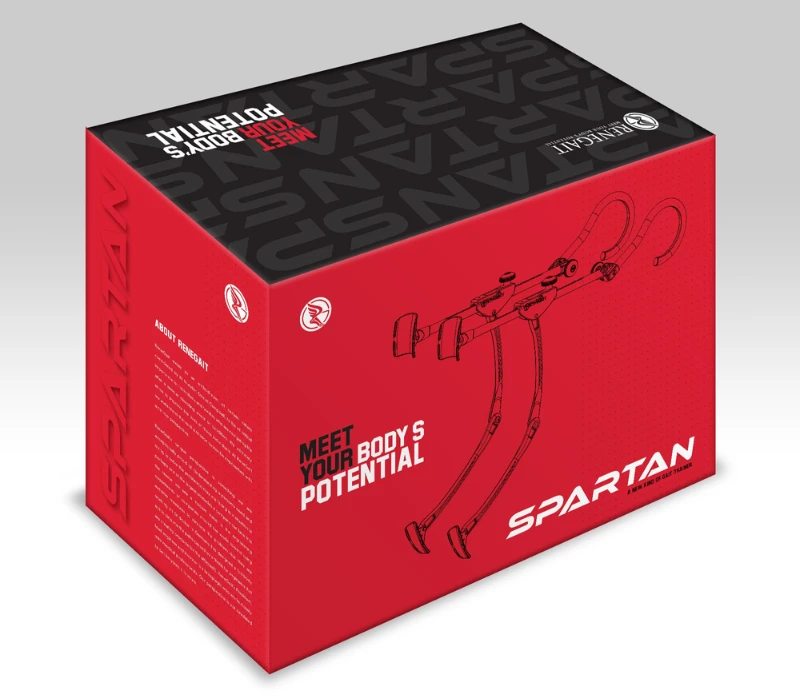
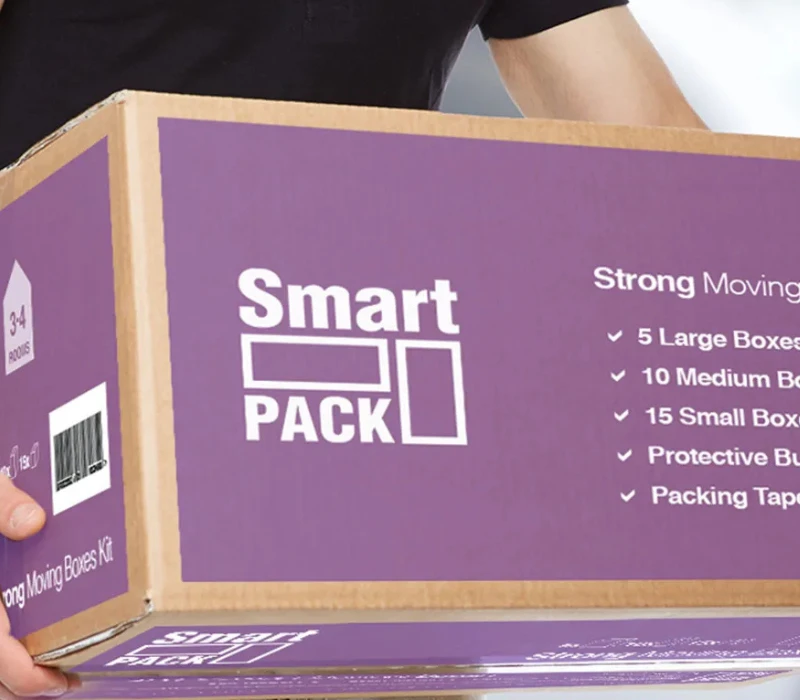
Although industrial buyers are practical, visual design still influences perception. A clean, professional layout signals organization and reliability. Consistent color usage helps differentiate product categories or variants. Typography choices affect how easily technical information is understood.
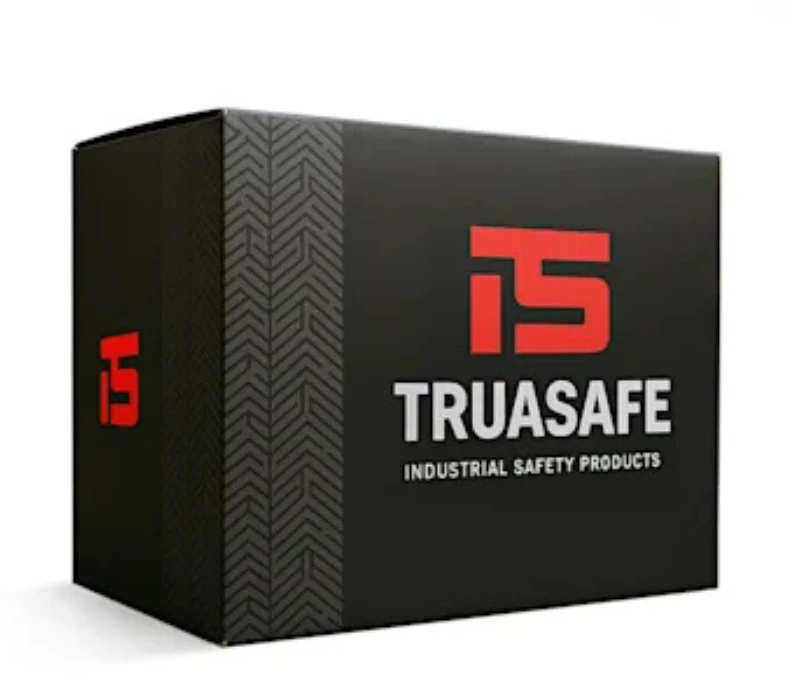
A strong visual system supported by a clear logo design reinforces brand identity across warehouses, job sites, and distribution centers. Even in industrial environments, recognizability matters.
Industrial Packaging and Supply Chain Efficiency
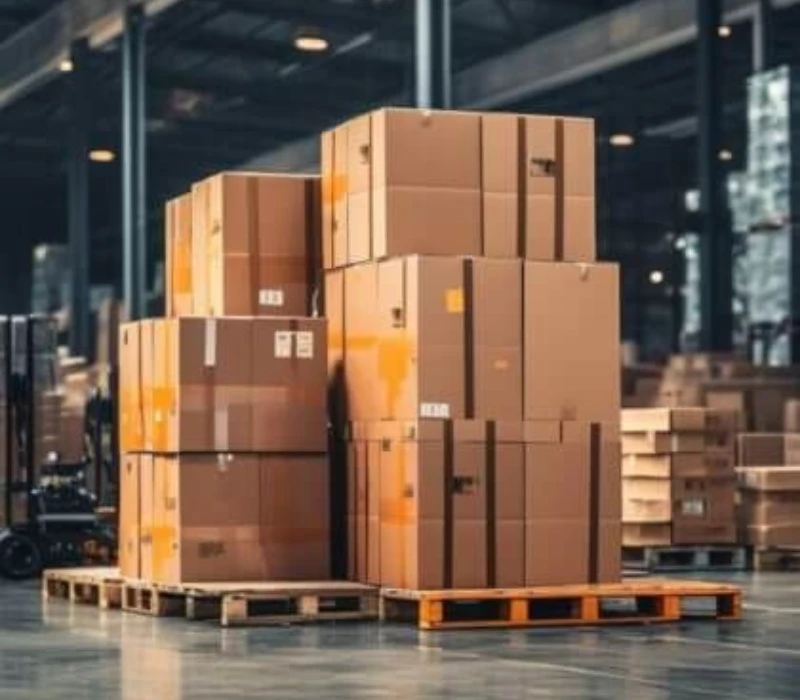
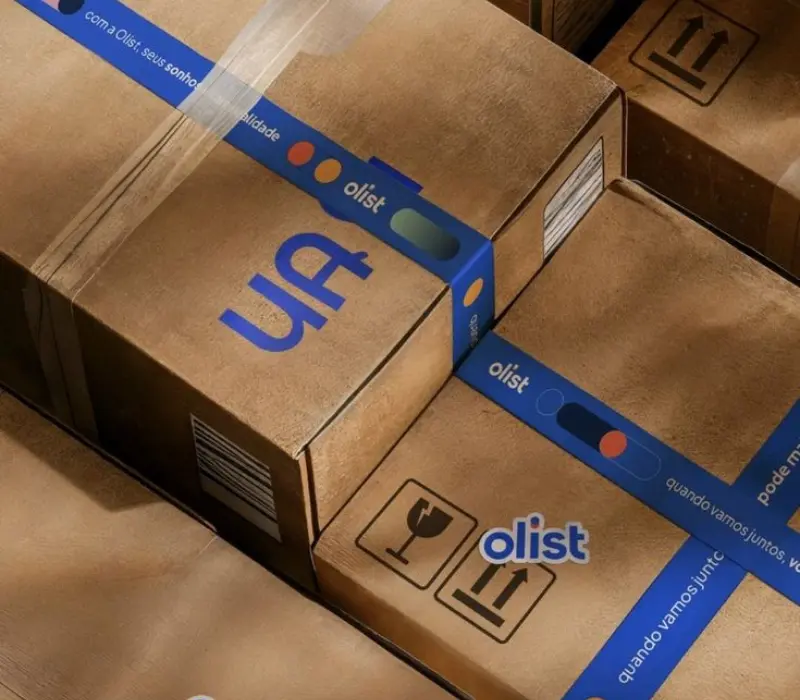
Industrial product packaging does not exist in isolation. It interacts with logistics, warehousing, and inventory systems. Packaging dimensions affect pallet optimization. Label placement affects barcode scanning. Material choices influence handling speed and safety.
When packaging design aligns with supply chain needs, it reduces damage, saves time, and lowers operational costs. This practical efficiency is one of the strongest reasons why industrial brands invest in well-planned packaging strategies.

Sustainability in Industrial Product Packaging
Sustainability has become increasingly important in industrial sectors. Many businesses now evaluate suppliers not only on product quality but also on environmental responsibility.
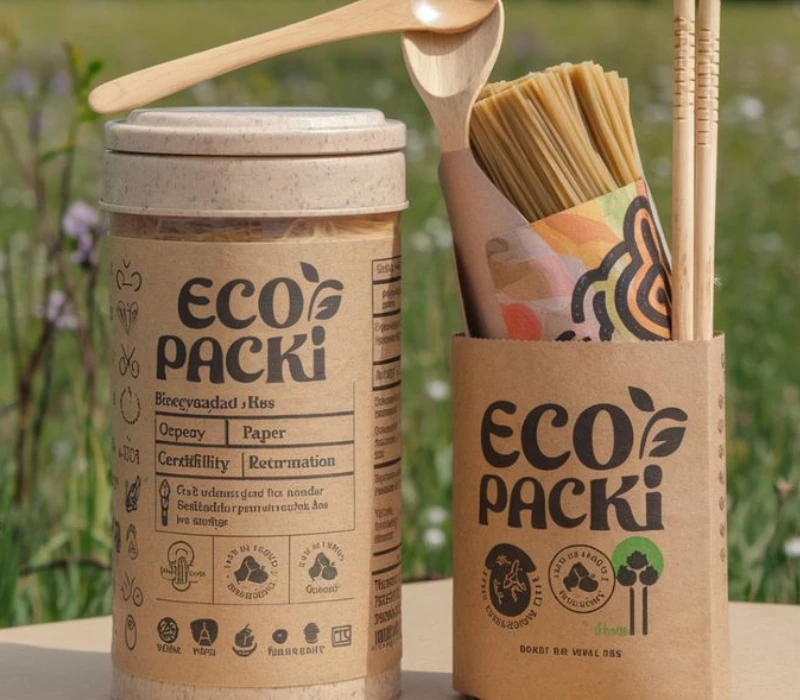
Industrial product packaging is evolving toward recyclable materials, reusable containers, and reduced material waste. Clear communication of sustainability efforts on packaging builds trust with corporate buyers and aligns brands with modern procurement expectations.
Sustainable packaging design in industrial products is not about marketing claims. It is about measurable responsibility.

Common Mistakes in Industrial Product Packaging
One of the most frequent mistakes is treating industrial packaging as an afterthought. Weak materials, inconsistent labeling, or unclear information often lead to damage, returns, or safety risks.
Another mistake is overdesigning visually while underperforming functionally. Industrial packaging must never sacrifice clarity or strength for aesthetics. Design should support use, not distract from it.
Ignoring user handling behavior is also costly. Packaging that does not consider how workers lift, open, store, or dispose of it often creates inefficiencies and frustration.

How Industrial Packaging Supports Long-Term Brand Authority
In industrial markets, brand authority is built through consistency. When packaging looks the same across years, regions, and product lines, it signals stability. Buyers feel confident ordering again because they know what to expect.
Thoughtful packaging design supports this consistency by creating clear visual systems that scale across different products while maintaining brand recognition.
Over time, industrial product packaging becomes part of the brand’s reliability story.

The Future of Industrial Product Packaging
Industrial product packaging is becoming smarter and more integrated. QR codes, digital tracking, and smart labels are being used to improve traceability and after-sales support. At the same time, design is becoming cleaner, more standardized, and more user-focused.
Brands that balance durability, clarity, sustainability, and branding will lead the future of industrial packaging.
Final Thoughts on Industrial Product Packaging
Product packaging is not just a protective layer. It is a functional extension of the product and a reflection of the brand’s professionalism. In industries where performance, safety, and trust matter most, packaging plays a decisive role.
When strong packaging design aligns with real-world industrial needs, clear communication, and brand consistency, it creates confidence at every stage of the supply chain. That confidence is what turns first-time buyers into long-term partners.