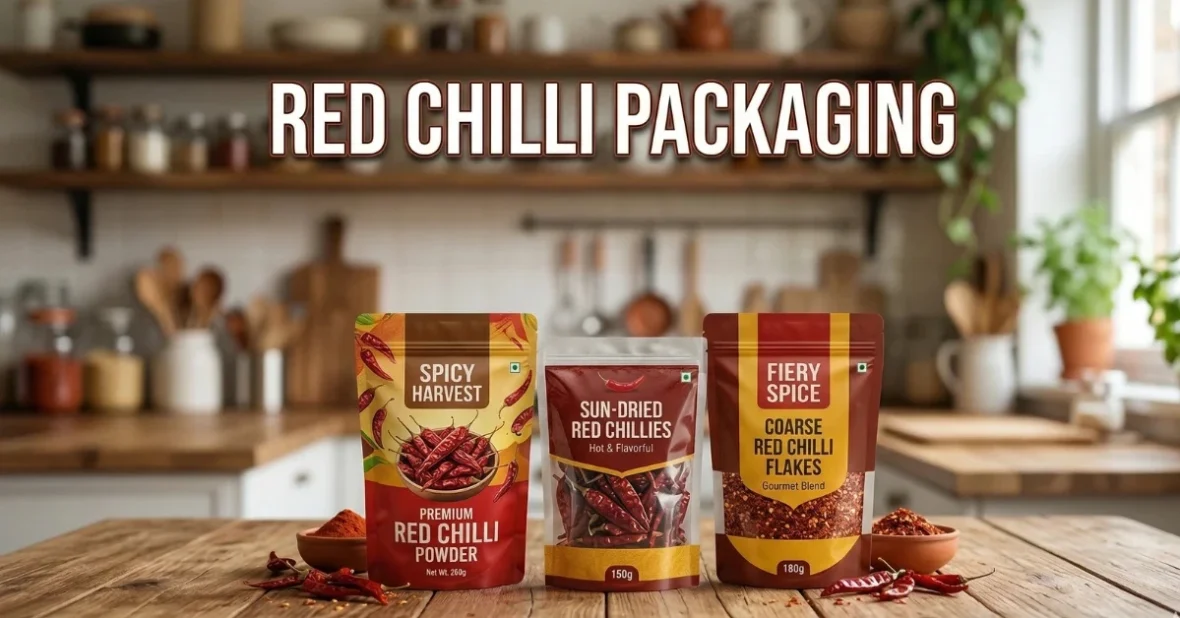
Red chilli is one of the most widely used spices worldwide, especially in countries like India, where it plays a vital role in everyday cooking. From whole dried chillies to finely ground chilli powder, this spice is valued not only for its heat but also for its colour, aroma, and flavour. However, maintaining these qualities from farm to consumer requires proper packaging. The packaging of red chilli is not just about storing a product; it is about preserving its freshness, preventing contamination, and ensuring consumers receive high-quality spice.
In the modern spice industry, packaging design also plays an important role in branding, shelf life, and transportation efficiency. With increasing global demand for spices, proper Red Chilli packaging methods have become essential for exporters, retailers, and farmers alike. Understanding how red chilli is packaged helps ensure that the product maintains its taste, colour, and safety throughout the supply chain.
Importance of Packaging in the Red Chilli Industry
Packaging is one of the most critical steps after the harvesting and processing of red chilli. Once the chillies are dried and cleaned, they must be protected from environmental factors such as moisture, light, oxygen, and pests.
Red chilli is particularly sensitive to moisture. If exposed to humidity, it can lose its crisp texture and develop fungal contamination. Similarly, exposure to air can reduce its pungency and colour due to oxidation. Proper packaging prevents these issues and helps maintain the quality of the spice for a longer period.
Another important factor is hygiene. In the spice industry, food safety standards have become stricter over time. Good packaging materials protect red chilli from dust, insects, and external contamination. This is especially important for chilli powder, which is more vulnerable to contamination than whole dried chillies.
Packaging also helps in transportation and storage. Since chillies are often transported across long distances, packaging must be strong enough to prevent breakage and product loss. For exporters, well-designed packaging also improves brand value and customer trust.
Source: in.pinterest.com
Source: in.pinterest.com
Source: in.pinterest.com
Source: in.pinterest.com
Types of Packaging Used for Red Chilli
Different types of packaging materials are used depending on whether the product is whole dried chilli or chilli powder. Each type of packaging has its own advantages and is chosen based on factors such as shelf life, cost, and market requirements.
Source: in.pinterest.com
Source: in.pinterest.com
Packaging for Whole Red Chilli
Whole dried red chillies are usually packaged in bulk for wholesale markets and exports. Traditionally, jute bags have been used for packaging because they are breathable and economical. These bags allow some airflow, which helps prevent moisture buildup during storage.
However, modern packaging methods often use polypropylene (PP) woven bags or laminated bags. These materials provide better protection against moisture and pests than traditional jute bags. For export purposes, chillies are sometimes packed in multi-layer bags that include inner plastic liners to ensure additional safety and hygiene.
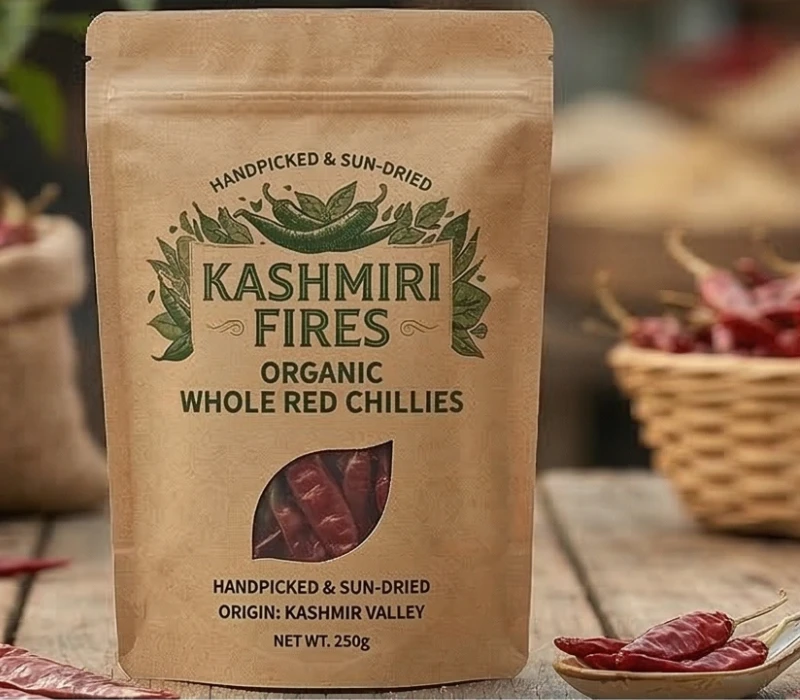
In retail markets, whole red chillies may also be packed in transparent plastic pouches. These pouches allow consumers to see the product while keeping it sealed from contamination.
Source: in.pinterest.com
Source: in.pinterest.com
Packaging for Red Chilli Powder
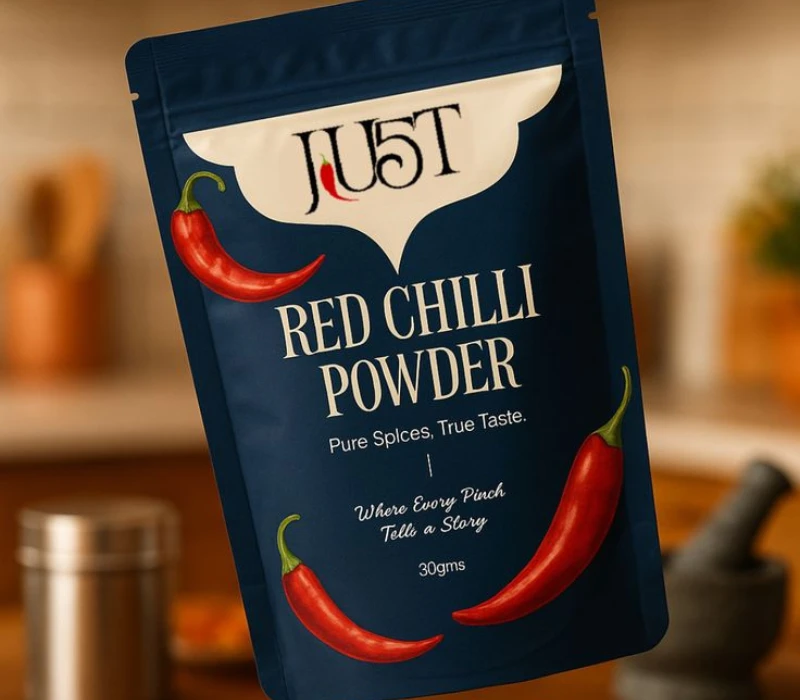
Chilli powder requires more careful packaging because it is more sensitive to air and moisture. Exposure to oxygen can reduce the vibrant red color and aroma of the powder over time.
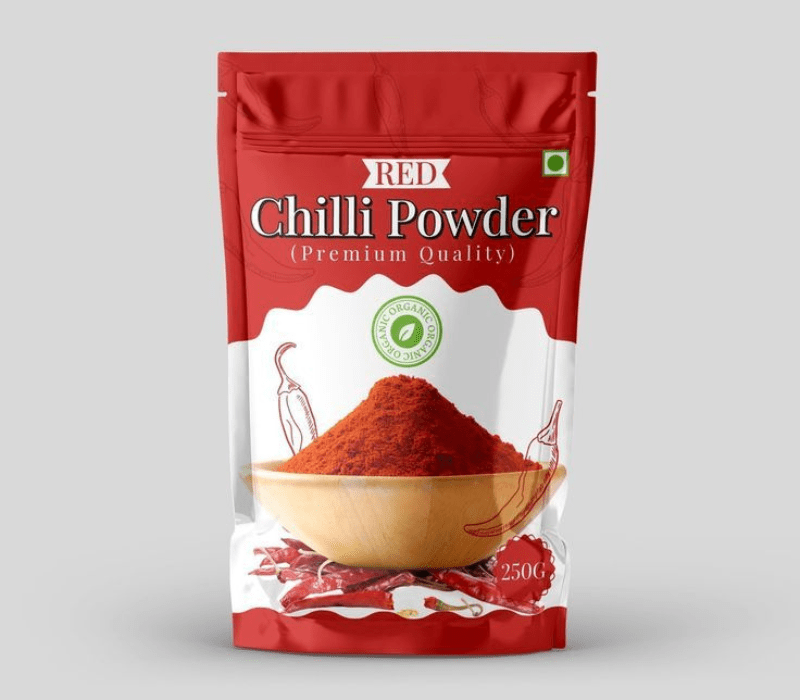
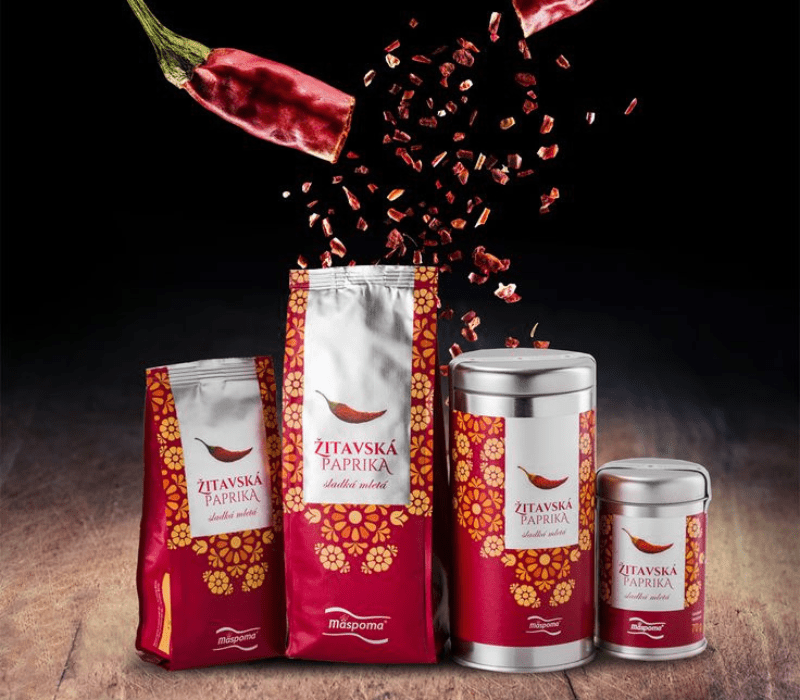
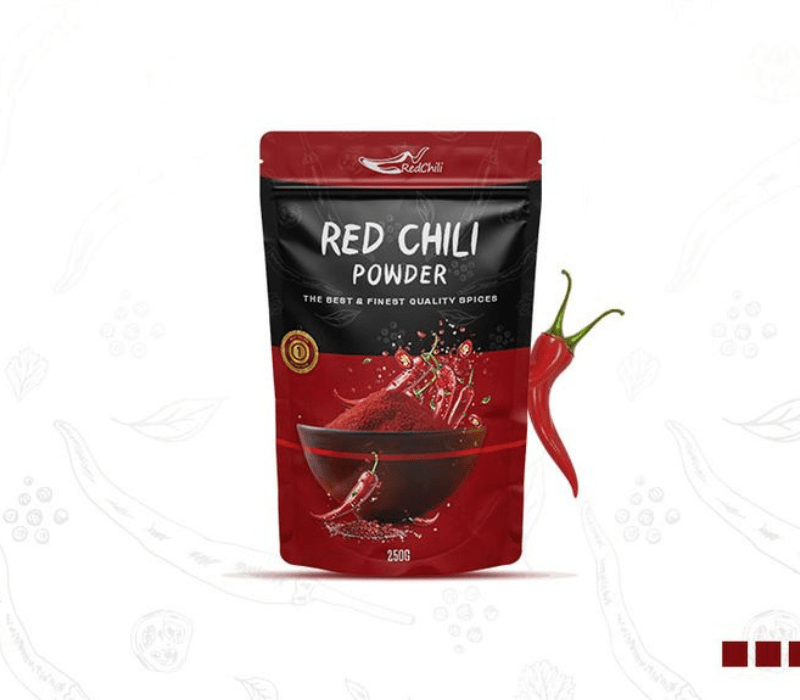
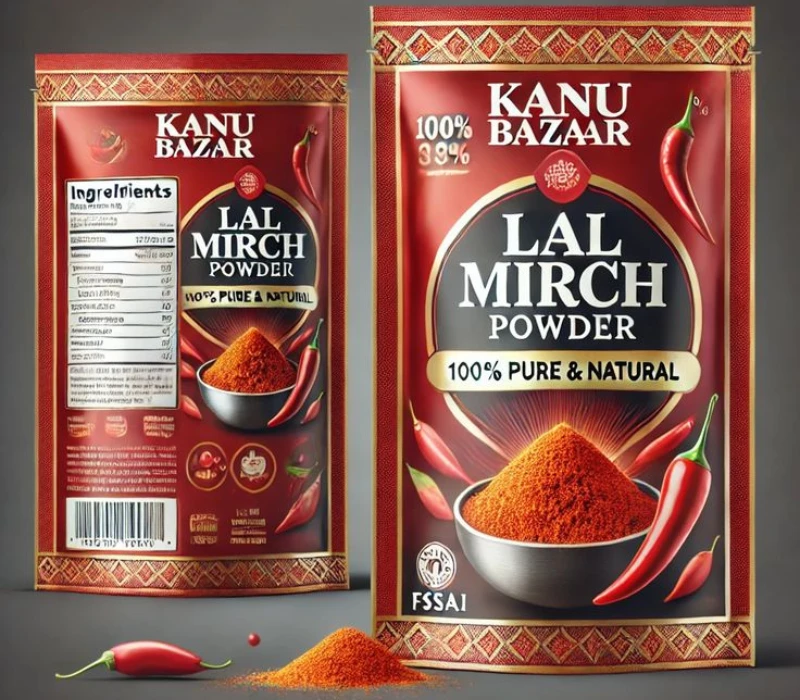
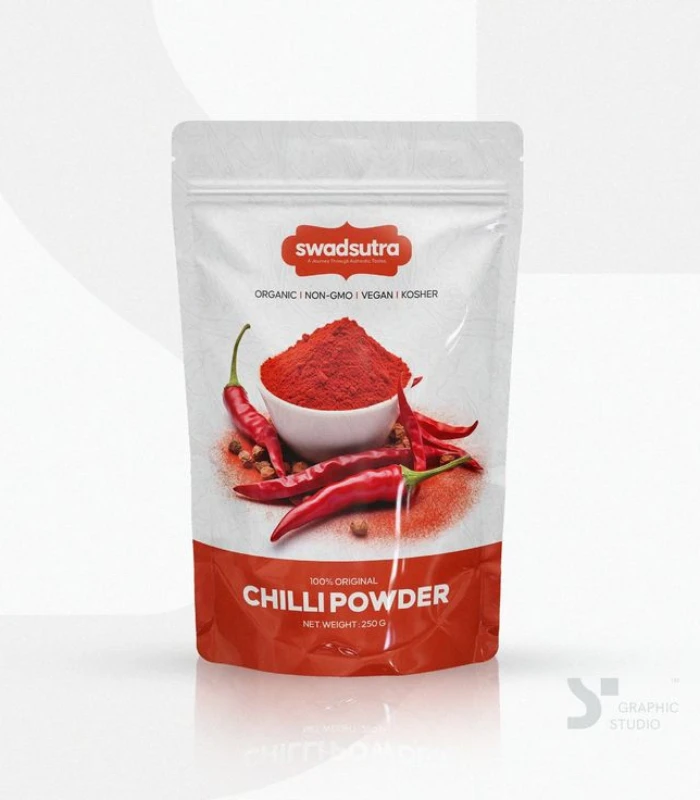
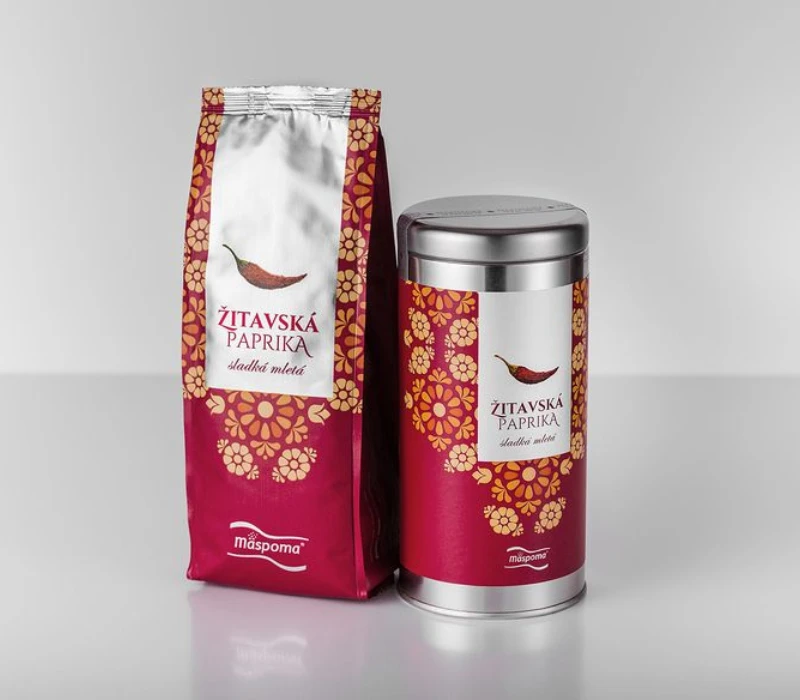
To prevent this, manufacturers often use laminated pouches made of materials such as polyethylene (PE), polyester (PET), and aluminum foil. These multi-layer pouches provide excellent barriers against moisture, air, and light.
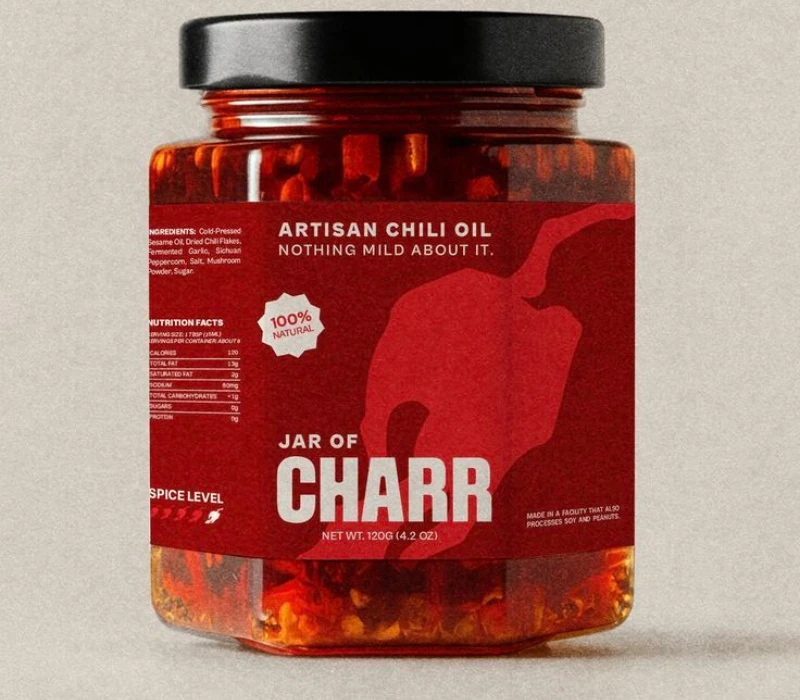
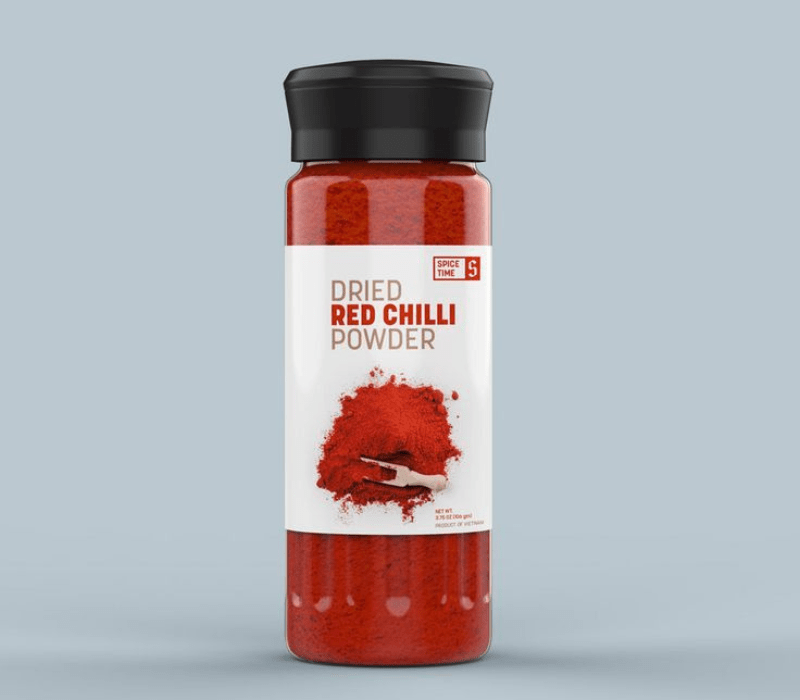
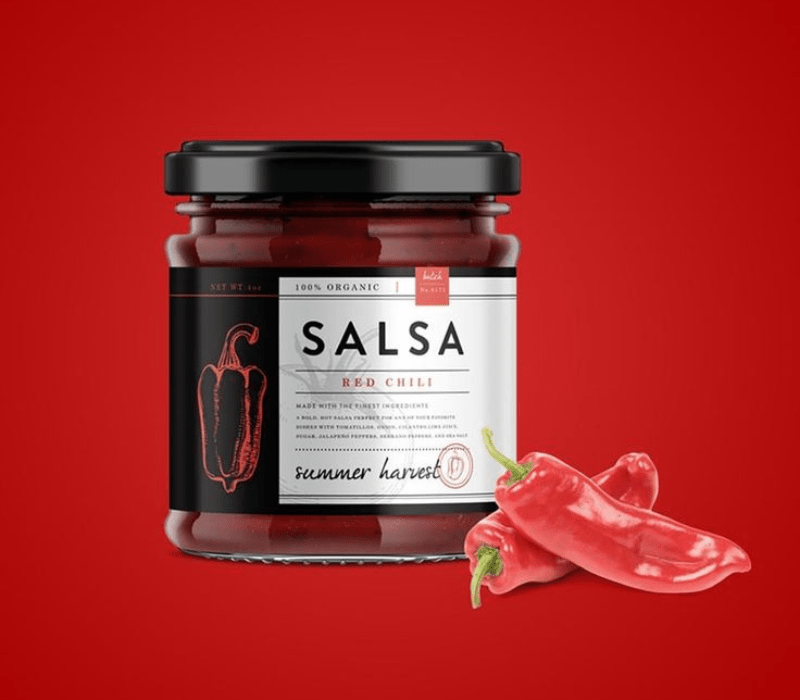
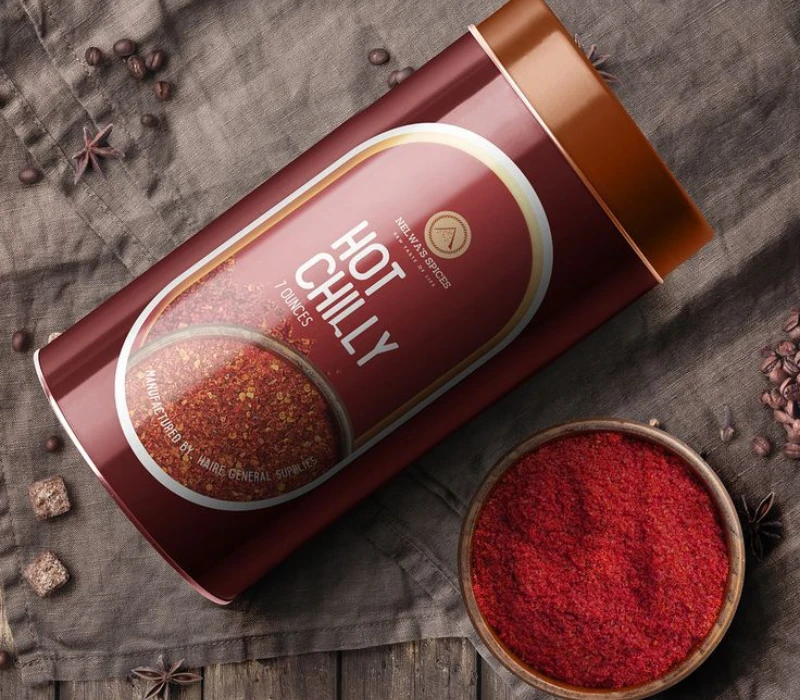
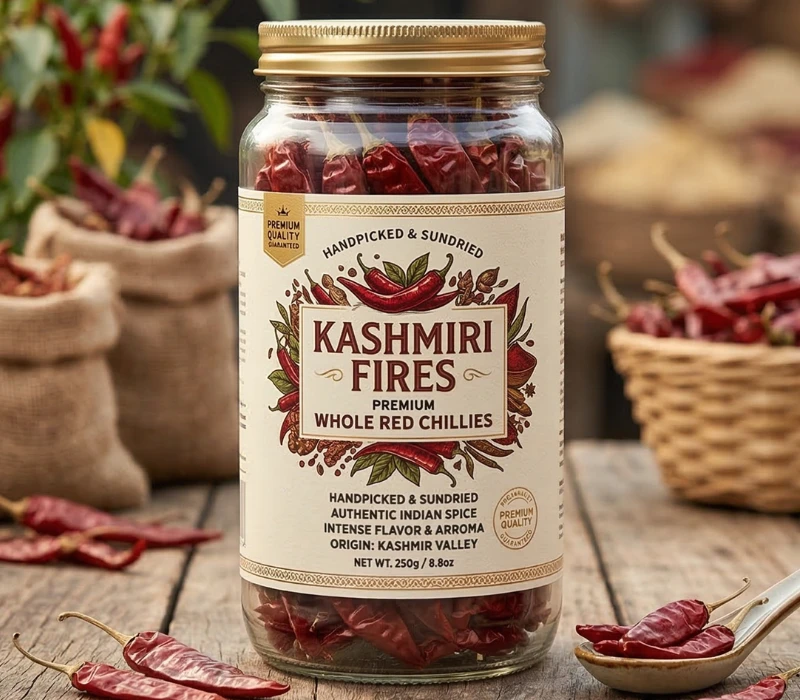
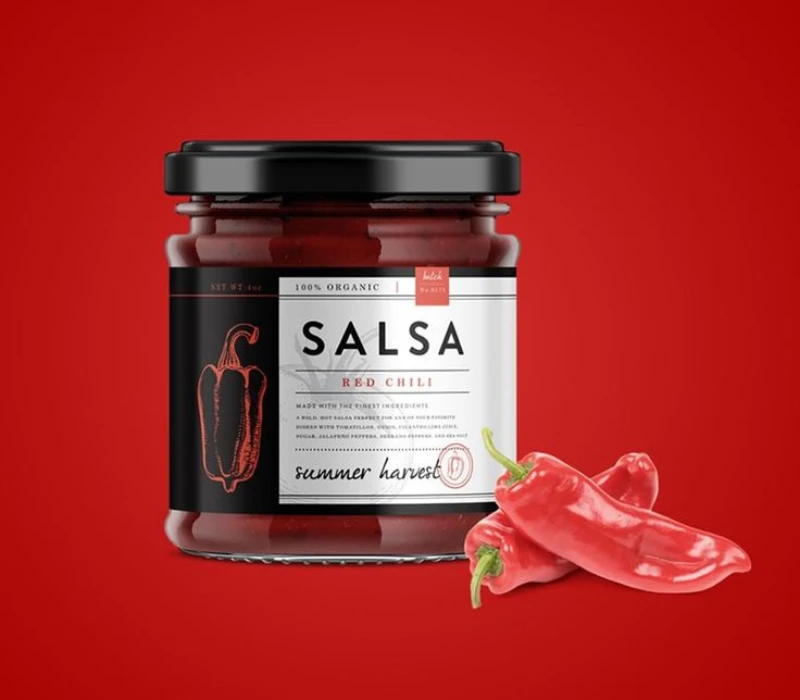
Glass jars and plastic containers are also commonly used for retail packaging. These containers are airtight and convenient for household use. Some premium brands use vacuum-sealed or nitrogen-flushed packaging to extend shelf life and preserve freshness.
Source: in.pinterest.com
Source: in.pinterest.com
Key Factors to Consider in Red Chilli Packaging
Effective packaging of red chilli involves more than just choosing a container. Several important factors must be considered to maintain product quality.
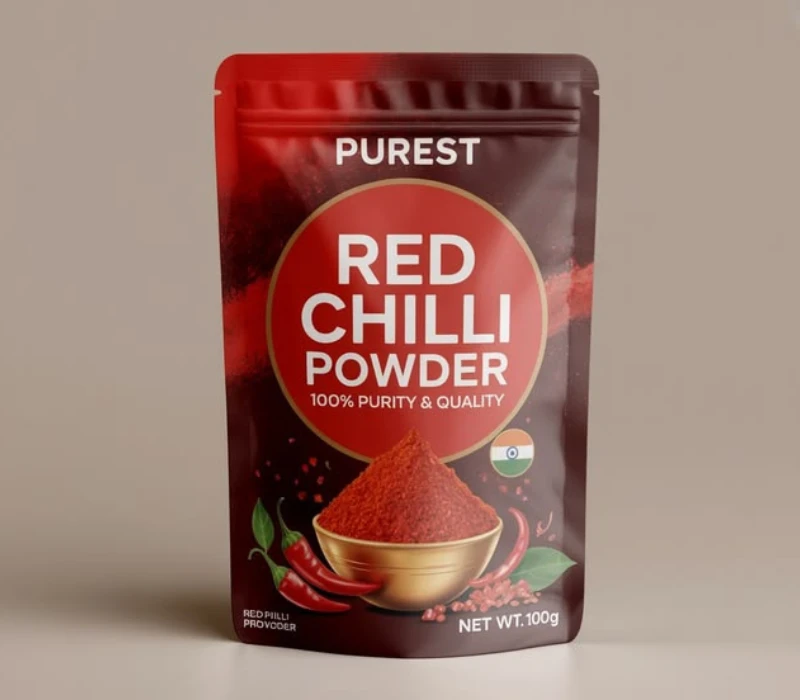
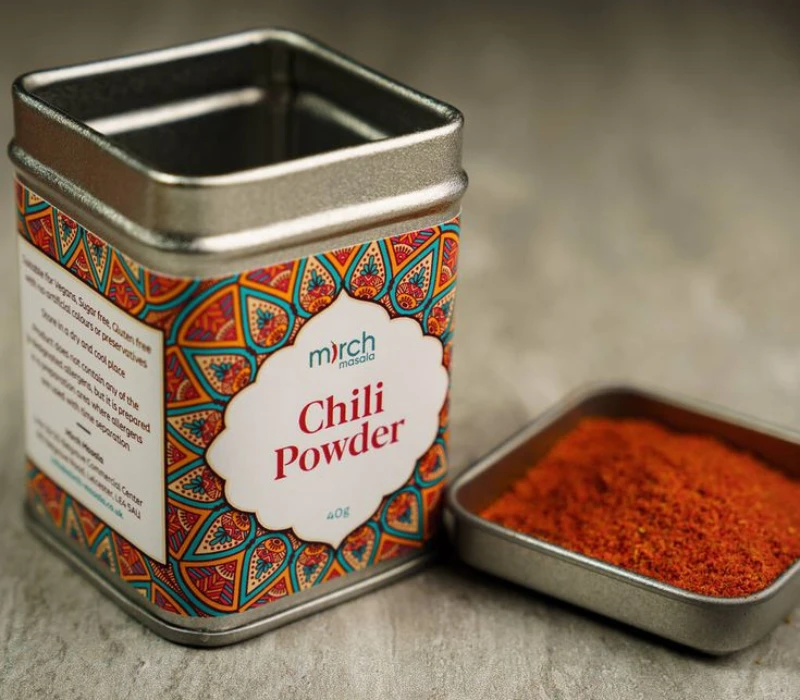
Moisture Control
Moisture is one of the biggest threats to red chilli quality. Even small amounts of humidity can lead to mold growth and spoilage. Packaging materials must therefore provide a strong moisture barrier to keep the product dry.
Source: in.pinterest.com
Source: in.pinterest.com
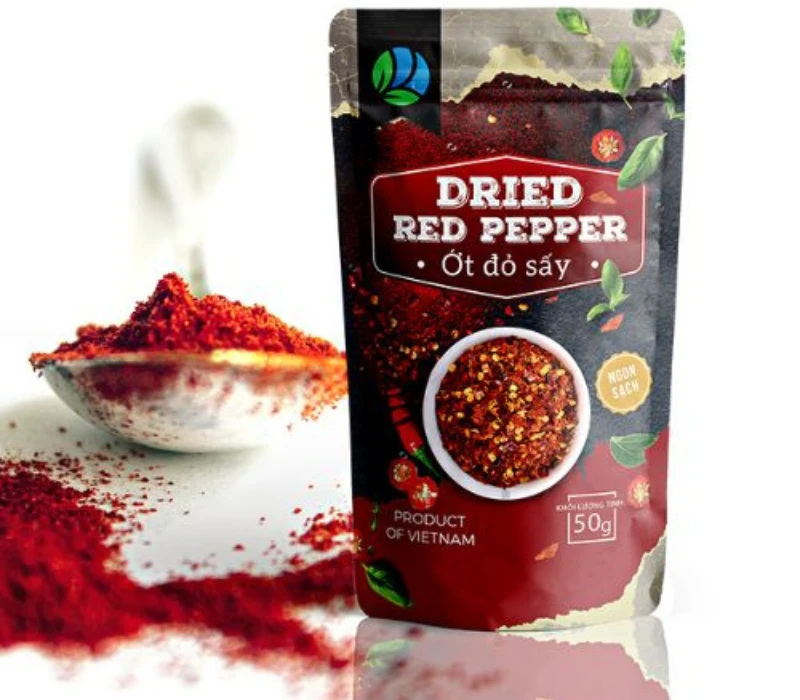
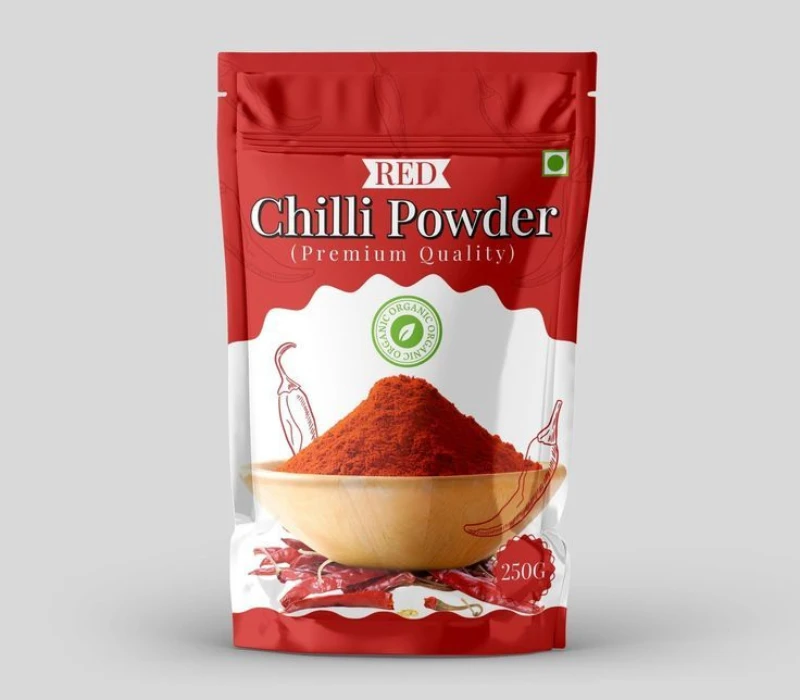
Protection from Light and Oxygen
Light and oxygen can degrade the natural pigments in chilli, causing the color to fade. Since bright red color is an important quality indicator for consumers, packaging must minimize exposure to these elements. Opaque or foil-based packaging materials are particularly effective in this regard.
Source: in.pinterest.com
Source: in.pinterest.com
Food Safety and Hygiene
Food-grade packaging materials are essential in the spice industry. The materials used must not react with the product or release harmful chemicals. Proper sealing also prevents contamination from insects, dust, and other microorganisms.
Source: in.pinterest.com
Source: in.pinterest.com
Shelf Life and Storage
Good packaging significantly increases the shelf life of red chilli. When stored in proper packaging and in a cool, dry place, whole dried chillies can last for up to a year, while chilli powder can maintain quality for several months.
Source: in.pinterest.com
Source: in.pinterest.com
Sustainable and Modern Packaging Trends
In recent years, sustainability has become an important topic in the food packaging industry. Many companies are now exploring eco-friendly packaging solutions for spices, including red chilli.
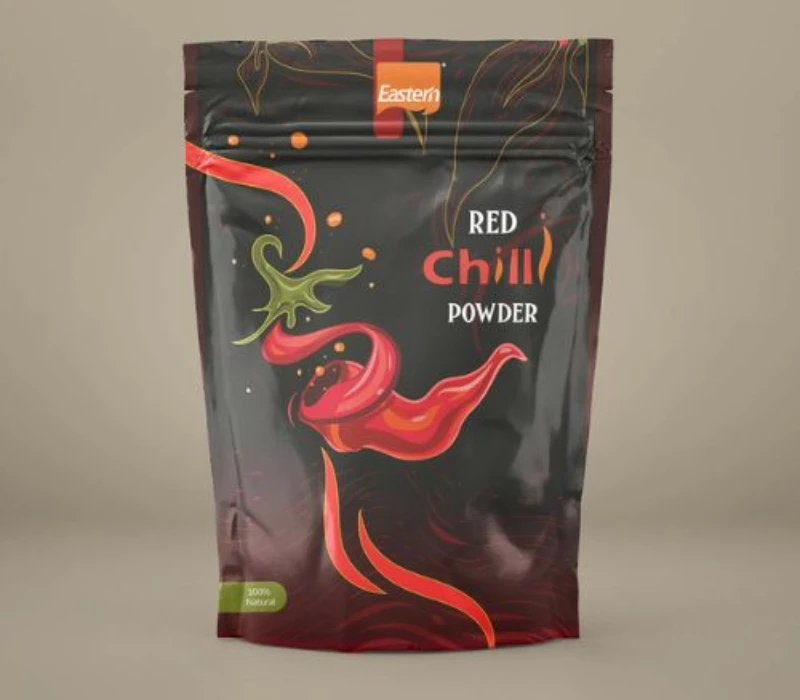
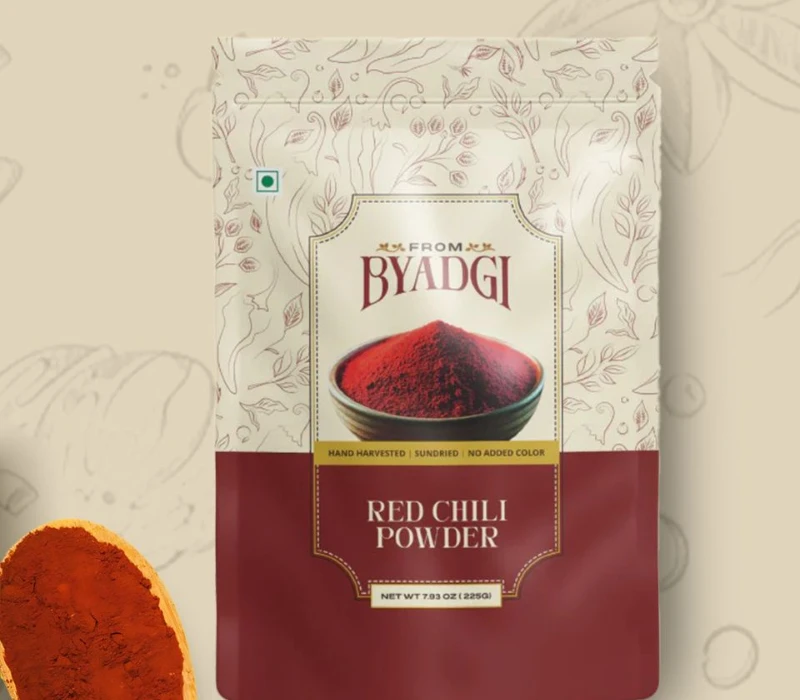
Biodegradable packaging materials and recyclable pouches are gaining popularity as consumers become more environmentally conscious. Paper-based laminated packaging and compostable films are being tested as alternatives to traditional plastics.
At the same time, technology is improving packaging efficiency. Vacuum sealing, modified atmosphere packaging (MAP), and advanced barrier films help preserve spices for longer periods while reducing product waste. These innovations are particularly useful for exporters who need to maintain product quality during long shipping periods.
Source: in.pinterest.com
Source: in.pinterest.com
Role of Packaging in Branding and Marketing
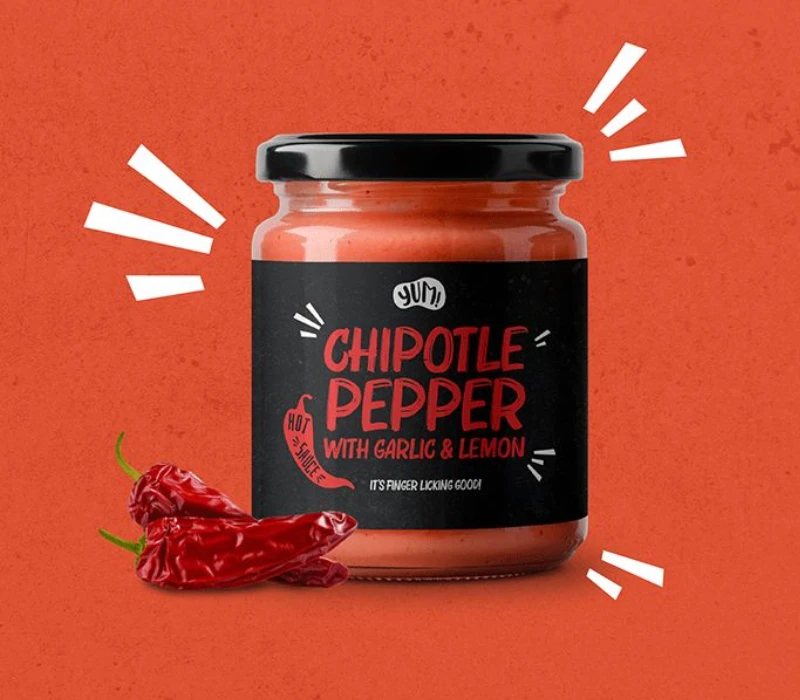
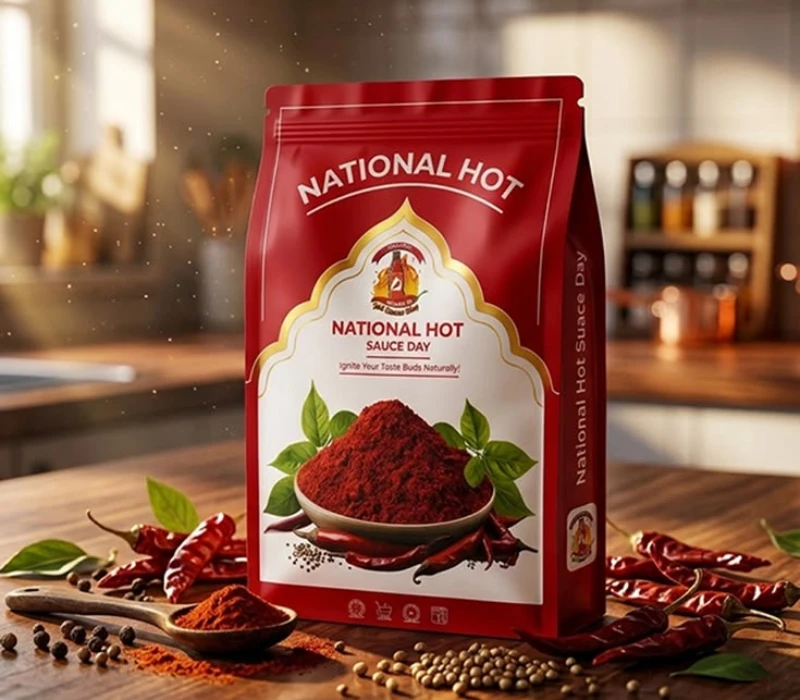
Packaging is not only functional but also an important marketing tool. In retail stores, the packaging design often influences consumer purchasing decisions. Attractive packaging with clear labeling helps brands stand out in a competitive market.
Information such as nutritional details, manufacturing date, expiry date, and origin of the chilli is usually printed on the package. This transparency builds trust with consumers and ensures compliance with food safety regulations.
For premium spice brands, packaging often includes resealable pouches or stylish glass jars that enhance convenience and usability. Such packaging not only preserves the spice but also improves the overall customer experience.
Source: in.pinterest.com
Source: in.pinterest.com
Conclusion
The packaging of red chilli plays a crucial role in maintaining its quality, safety, and market value. From traditional jute bags used in bulk storage to advanced laminated pouches and vacuum-sealed packs, packaging methods have evolved significantly over time.
Proper packaging protects red chilli from moisture, air, light, and contamination, ensuring that consumers receive a product that retains its color, flavor, and pungency. At the same time, modern packaging technologies and sustainable materials are shaping the future of the spice industry.
As global demand for spices continues to grow, the importance of effective and innovative packaging will only increase. By combining good packaging practices with modern technology, producers and brands can deliver high-quality red chilli to markets around the world while preserving its rich flavor and authenticity.